
主管:中国科学院
主办:中国优选法统筹法与经济数学研究会
中国科学院科技战略咨询研究院
主办:中国优选法统筹法与经济数学研究会
中国科学院科技战略咨询研究院

Chinese Journal of Management Science ›› 2026, Vol. 34 ›› Issue (11): 348-360.doi: 10.16381/j.cnki.issn1003-207x.2024.2344
Zheng Liu1, Tianchen Yang2, Xiqiang Xia3( ), Bin Hu1
Received:2024-12-24
Revised:2025-04-20
Online:2026-11-25
Published:2026-11-10
Contact:
Xiqiang Xia
E-mail:xiaxiqiang@126.com
CLC Number:
Zheng Liu,Tianchen Yang,Xiqiang Xia, et al. Research on the Introduction Strategy of Blockchain Considering Consumer Demand under Carbon Tax Policy[J]. Chinese Journal of Management Science, 2026, 34(11): 348-360.
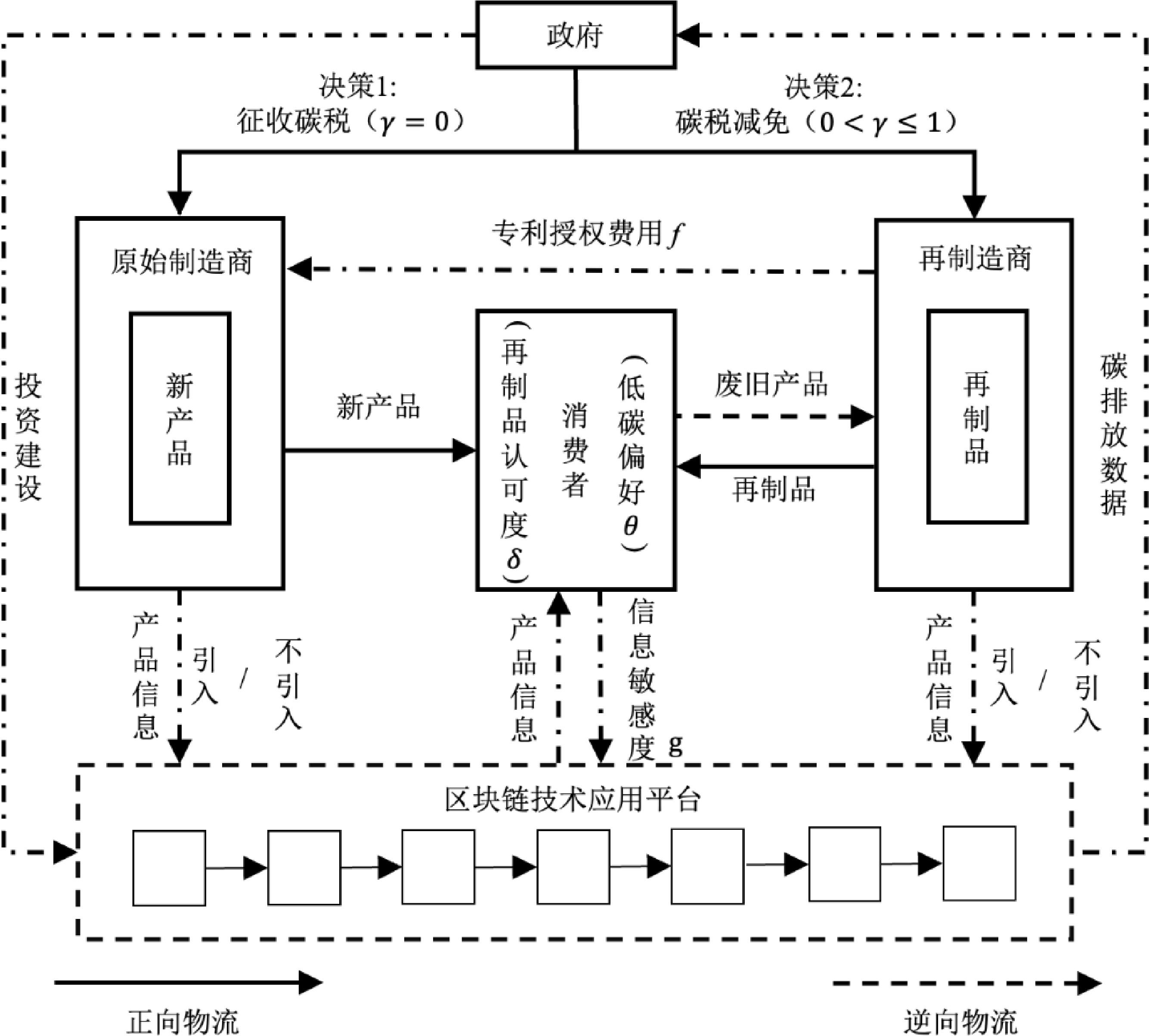
"

"
| 符号 | 含义 |
|---|---|
| 政府征收碳税税率 | |
| 碳税减免比率 | |
| 单位产品专利授权费用 | |
| 单位新产品/再制品价格 | |
| 新产品/再制品产量 | |
| 引入区块链的成本 | |
| 新产品/再制品单位生产成本 | |
| 生产单位新产品/再制品的碳排放量 | |
| 消费者对再制品的认可度 | |
| 再制造商对产品的信息披露程度 | |
| 消费者对产品生产的信息敏感度 | |
| 单位新产品/再制品的碳减排率 | |
| 减排成本系数 | |
| 消费者的低碳偏好程度 | |
| 消费者的支付意愿 | |
| 单位减排成本降低比例参数 | |
| 制造商/再制造商收益, | |
| 系统减排总量 |
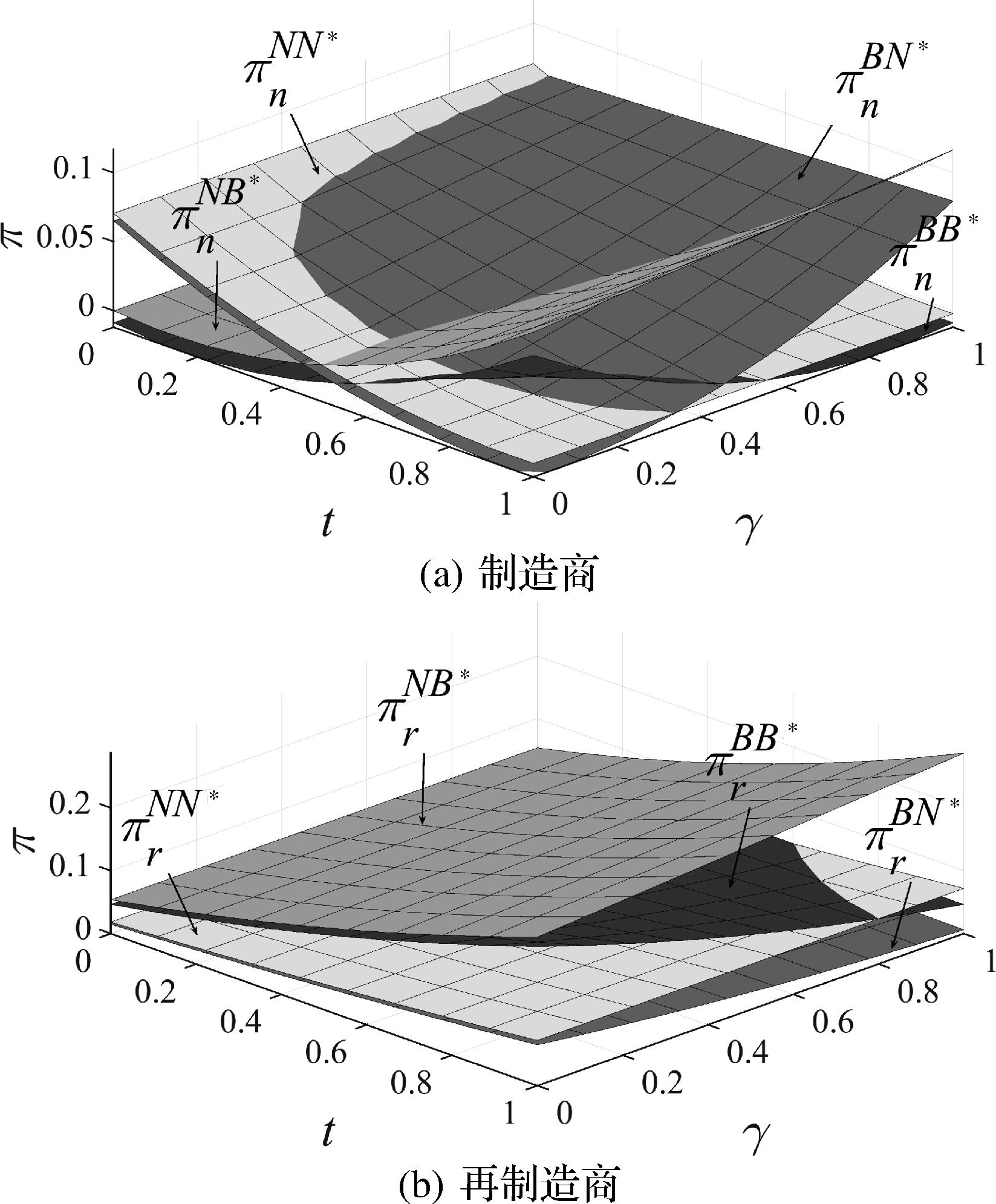
"
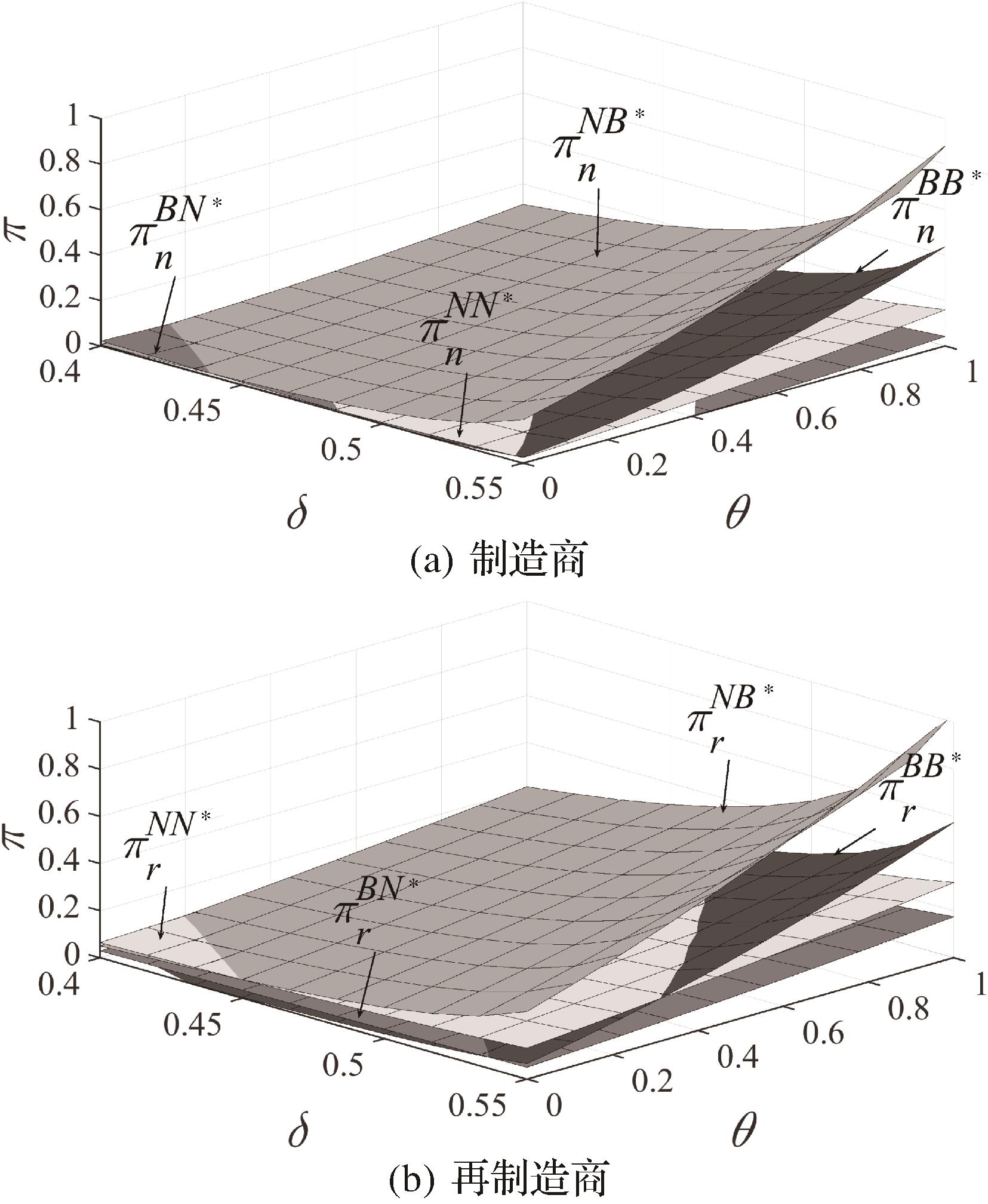
"
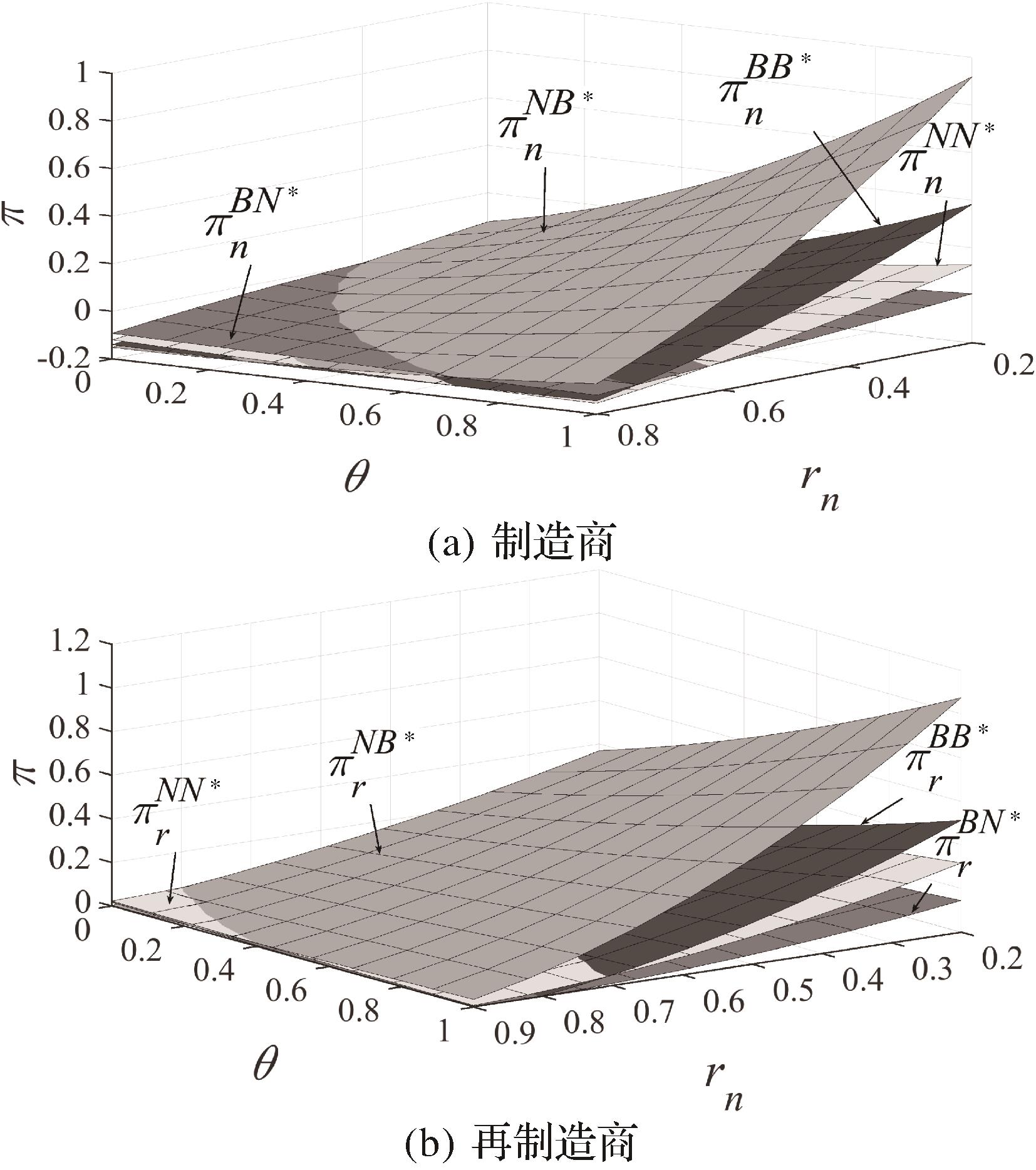
"
"
"
"
| [1] | Wu S, Cao J, Shao Q. How to select remanufacturing mode: End-of-life or used product?[J]. Environment, Development and Sustainability, 2025, 27(6): 14175-14195. |
| [2] | Hu S, Yuan Z, Wang A. Improving carbon emission efficiency in Chinese manufacturing: A study considering technological heterogeneity and noise[J]. Energy, 2024, 291: 130392. |
| [3] | Li Z, Che S, Wang P, et al. Implementation and analysis of remanufacturing large-scale asynchronous motor to permanent magnet motor under circular economy conditions[J]. Journal of Cleaner Production, 2021, 294: 126233. |
| [4] | 龚本刚, 唐文慧, 刘志, 等. 碳交易政策下区块链技术对再制造供应链定价与减排决策的影响[J]. 系统管理学报, 2025, 34(2): 363-376. |
| Gong B G, Tang W H, Liu Z, et al. Impact of blockchain technology on pricing and emission reduction decisions in remanufacturing supply chains under carbon trading[J]. Journal of Systems & Management, 2025, 34(2): 363-376. | |
| [5] | 景熠, 杜鹏琦. “以旧换再” 和 “以旧换新” 策略下制造商和再制造商的博弈分析[J]. 系统工程学报, 2021, 36(3): 339-352+399. |
| Jing Y, Du P Q. Game analysis of manufacturer and remanufacturer under the strategies of old-for-remanufacturing and old-for-new[J]. Journal of Systems Engineering, 2021, 36(3): 339-352+399. | |
| [6] | 孙嘉楠, 肖忠东. 考虑消费者双重偏好的低碳供应链减排策略研究[J]. 中国管理科学, 2018, 26(4): 49-56. |
| Sun J N, Xiao Z D. Decision-making of dual-channel supply chain emission reduction based on consumer preference to low-carbon[J]. Chinese Journal of Management Science, 2018, 26(4): 49-56. | |
| [7] | Hastig G M, Sodhi M S. Blockchain for supply chain traceability: Business requirements and critical success factors[J]. Production and Operations Management, 2020, 29(4): 935-954. |
| [8] | Ma D, Qin H, Hu J. Achieving triple sustainability in closed-loop supply chain: The optimal combination of online platform sales format and blockchain-enabled recycling[J]. Computers & Industrial Engineering, 2022, 174: 108763. |
| [9] | Zhang J. Optimizing pricing and information traceability investments in blockchain-enabled green supply chains under government subsidies[J]. Journal of Industrial and Management Optimization, 2025, 21(4): 3205-3227. |
| [10] | Xia X, Chen J, Wang W, et al. Impact of differentiated carbon taxes on remanufacturing mode selection[J]. Energy Economics, 2024, 140: 107955. |
| [11] | Zhang N, Zhang Z. Manufacturer or retailer? The optimal remanufacturing channel choice under carbon tax policy[J]. Journal of Industrial and Management Optimization, 2025, 21(5): 3362-3392. |
| [12] | 冯章伟, 肖条军, 牟善栋. 考虑绿色偏好和政府补贴/碳税的第三方再制造模式[J]. 运筹与管理, 2023, 32(8): 57-64. |
| Feng Z W, Xiao T J, Mou S D. Outsourcing and authorization modes considering green preference and government subsidies or carbon taxes[J]. Operations Research and Management Science, 2023, 32(8): 57-64. | |
| [13] | 朱晨, 马静, 李犟. 混合碳政策下的供应链联合减排决策与优化[J].系统管理学报,2024, 33(5):1204-1217. |
| Zhu C, Ma J, Li J. Joint emission reduction decision and optimization of supply chains under hybrid carbon policies[J]. Journal of Systems & Management, 2024, 33(5): 1204-1217. | |
| [14] | 刘碧玉, 杨海东, 柯迪. 专利授权下碳排放政策对制造商/再制造商运营决策的影响[J]. 中国管理科学, 2023, 31(5): 198-208. |
| Liu B Y, Yang H D, Ke D. Effects of carbon emission regulations on operations decisions of manufacturers/remanufacturers with patent licensing[J]. Chinese Journal of Management Science, 2023, 31(5): 198-208. | |
| [15] | 代业明, 于双. 碳税政策下考虑零售商双重行为偏好的再制造闭环供应链决策[J]. 中国管理科学, 2025, 33(8): 308-320. |
| Dai Y M, Yu S. Remanufacturing closed-loop supply chain decision considering retailer’s dual behavior preference under carbon tax regulation[J]. Chinese Journal of Management Science, 2025, 33(8): 308-320. | |
| [16] | Tao Z, Li J, Liu Z. Trade-in for carbon emission reduction under tax regulation[J]. Annals of Operations Research, 2025, 347(1): 367-404. |
| [17] | 占济舟, 陈祥锋. 数字科技赋能供应链预付款融资支付管理的决策与创新[J]. 统计与信息论坛, 2024, 39(12): 71-83. |
| Zhan J Z, Chen X F. Digital technology-empowered decision-making and innovation in prepayment financing payment management of supply chain[J]. Journal of Statistics and Information, 2024, 39(12): 71-83. | |
| [18] | Wang M, Yang F, Shan F, et al. Blockchain adoption for combating remanufacturing perceived risks in a reverse supply chain[J]. Transportation Research Part E: Logistics and Transportation Review, 2024, 183: 103448. |
| [19] | 张炎亮, 程燕培, 夏西强, 等. 碳税背景下区块链技术对再制造模式选择的影响研究[J]. 工业工程, 2025, 28(1): 133-146. |
| Zhang Y L, Cheng Y P, Xia X Q, et al. Impact of blockchain technology on remanufacturing mode selection under carbon tax policies[J]. Industrial Engineering Journal, 2025, 28(1): 133-146. | |
| [20] | Zhang Y, Zhang J, Zhou Y, et al. Blockchain adoption and mode selection strategies for remanufacturing supply chain under cap-and-trade policy[J]. Computers & Industrial Engineering, 2024, 192: 110246. |
| [21] | 刘艳, 王佩爽, 张彬燕, 等. 考虑品牌优势的供应链最优再制造模式与区块链引入策略[J]. 计算机集成制造系统, 2025, 31(3): 1085-1101. |
| Liu Y, Wang P S, Zhang B Y, et al. Optimal remanufacturing mode selection and blockchain platform joining strategy of supply chain considering brand advantage[J]. Computer Integrated Manufacturing Systems, 2025, 31(3): 1085-1101. | |
| [22] | 汪和平, 严啸宸, 赵丹, 等. 政府奖惩机制下考虑消费者低碳偏好的汽车制造商生产决策研究[J]. 系统工程理论与实践, 2023, 43(9): 2669-2684. |
| Wang H P, Yan X C, Zhao D, et al. Research on production-decision of automakers considering consumer’s low-carbon preference under the government reward-penalty mechanism[J].Systems Engineering- Theory & Practice, 2023, 43(9): 2669-2684. | |
| [23] | 令狐大智, 武新丽, 李怡娜, 等. 低碳划分标准对异质企业碳排放决策的影响机理研究[J]. 中国管理科学, 2023, 31(4): 46-55. |
| Linghu D Z, Wu X L, Li Y N, et al. Impact mechanism of low-carbon classification standards on carbon emission decisions of heterogeneous corporate[J]. Chinese Journal of Management Science, 2023, 31(4): 46-55. | |
| [24] | 张令荣, 徐航, 李云风. 碳配额交易背景下双渠道供应链减排决策研究[J]. 管理工程学报, 2023, 37(2): 90-98. |
| Zhang L R, Xu H, Li Y F. Research on emission reduction decision-making of dual-channel supply chain under the carbon cap-and-trade policy[J]. Journal of Industrial Engineering and Engineering Management, 2023, 37(2): 90-98. | |
| [25] | Lucas A, Geneiatakis D, Soupionis Y, et al. Blockchain technology applied to energy demand response service tracking and data sharing[J]. Energies, 2021, 14(7): 1881. |
| [26] | 陈威, 彭皓, 黄义, 等. 碳配额与区块链情景下的电力供应链低碳投资策略[J]. 系统管理学报, 2025, 34(6): 1509-1520. |
| Chen W, Peng H, Huang Y, et al. Electricity supply chain investment strategy under carbon quota mechanism and blockchain[J]. Journal of Systems & Management, 2025, 34(6): 1509-1520. | |
| [27] | Yenipazarli A. Managing new and remanufactured products to mitigate environmental damage under emissions regulation[J]. European Journal of Operational Research, 2016, 249(1): 117-130. |
| [28] | 夏西强, 李佩函, 贾家辉, 等. 基于碳配额不同分配方式政府补贴对制造/再制造影响研究[J]. 中国管理科学, 2025, 33(5): 313-324. |
| Xia X Q, Li P H, Jia J H, et al. Studying on the impact of government subsidies on manufacturing/remanufacturing based on different allocation modes of carbon allowance[J]. Chinese Journal of Management Science, 2025, 33(5): 313-324. | |
| [29] | 檀哲, 缪朝炜, 许舒婷, 等. 统一碳税和差异化碳税下的再制造绩效评价[J]. 系统工程学报, 2021, 36(1): 102-119. |
| Tan Z, Miao C W, Xu S T, et al. Performance evaluation of remanufacturing strategies under uniform carbon tax and discriminated carbon tax[J]. Journal of Systems Engineering, 2021, 36(1): 102-119. | |
| [30] | 李新安, 何梦园. 我国制造企业数字化转型的碳减排效应研究[J]. 创新科技, 2024, 24(10): 72-90. |
| Li X A, He M Y. Research on carbon emission reduction effect of digital transformation of manufacturing enterprises in China[J]. Innovation Science and Technology, 2024, 24(10): 72-90. | |
| [31] | 王梦垚, 王文宾. 碳限额交易机制下考虑企业环保意识的碳减排决策研究[J]. 系统科学与数学, 2026, 46(2): 388-405. |
| Wang M Y, Wang W B. Research on carbon emission reduction decision-making considering enterprise environmental awareness under carbon cap-and-trade mechanism[J]. Journal of Systems Science and Mathematical Sciences, 2026, 46(2): 388-405. | |
| [32] | 王文宾, 刘业, 全诗苑, 等. 双销售渠道闭环供应链的政府补贴模式研究[J]. 中国管理科学, 2024, 32(7): 258-269. |
| Wang W B, Liu Y, Quan S Y, et al. Research on government subsidy model of dual-sales channel closed-loop supply chain[J]. Chinese Journal of Management Science, 2024, 32(7): 258-269. | |
| [33] | 仝鹏, 丁翔, 王文宾, 等. 碳交易机制下考虑零售商信息分享策略的供应链决策研究[J]. 中国管理科学, 2026, 34(4): 287-297. |
| Tong P, Ding X, Wang W B, et al. Research on supply chain decision-making considering retailer information sharing strategy under carbon trading mechanism[J]. Chinese Journal of Management Science, 2026, 34(4): 287-297. | |
| [34] | 王文宾, 张萌欣, 管婕, 等. 工艺创新视角下动力电池逆向供应链的回收模式研究[J]. 工业工程, 2023, 26(6): 24-34. |
| Wang W B, Zhang M X, Guan J, et al. A recycling mode of power battery reverse supply chains from the perspective of process innovation[J]. Industrial Engineering Journal, 2023, 26(6): 24-34. | |
| [35] | 王文宾, 刘业,钟罗升,等. 补贴-惩罚政策下废旧动力电池的回收决策研究[J]. 中国管理科学, 2023, 31(11): 90-102. |
| Wang W B, Liu Ye, Zhong L S,et al. Research on recycling decisions of waste power batteries under subsidy-penalty policies[J]. Chinese Journal of Management Science, 2023, 31(11): 90-102. |
| Viewed | ||||||
|
Full text |
|
|||||
|
Abstract |
|
|||||
|
||
