
主管:中国科学院
主办:中国优选法统筹法与经济数学研究会
中国科学院科技战略咨询研究院
主办:中国优选法统筹法与经济数学研究会
中国科学院科技战略咨询研究院

Chinese Journal of Management Science ›› 2026, Vol. 34 ›› Issue (11): 298-312.doi: 10.16381/j.cnki.issn1003-207x.2025.1921
Previous Articles Next Articles
Yixuan Han1,2, Xianliang Shi1, Weijian Zhang1( ), Shuai Liu3, T.C.E Cheng2, Shouyang Wang4,5
Received:2025-11-07
Revised:2026-01-06
Online:2026-11-25
Published:2026-11-10
Contact:
Weijian Zhang
E-mail:weijianzhang@bjtu.edu.cn
CLC Number:
Yixuan Han,Xianliang Shi,Weijian Zhang, et al. Supply‑Chain Technology Investment and Financing Strategies under AI‑Based Predictive Maintenance[J]. Chinese Journal of Management Science, 2026, 34(11): 298-312.
"
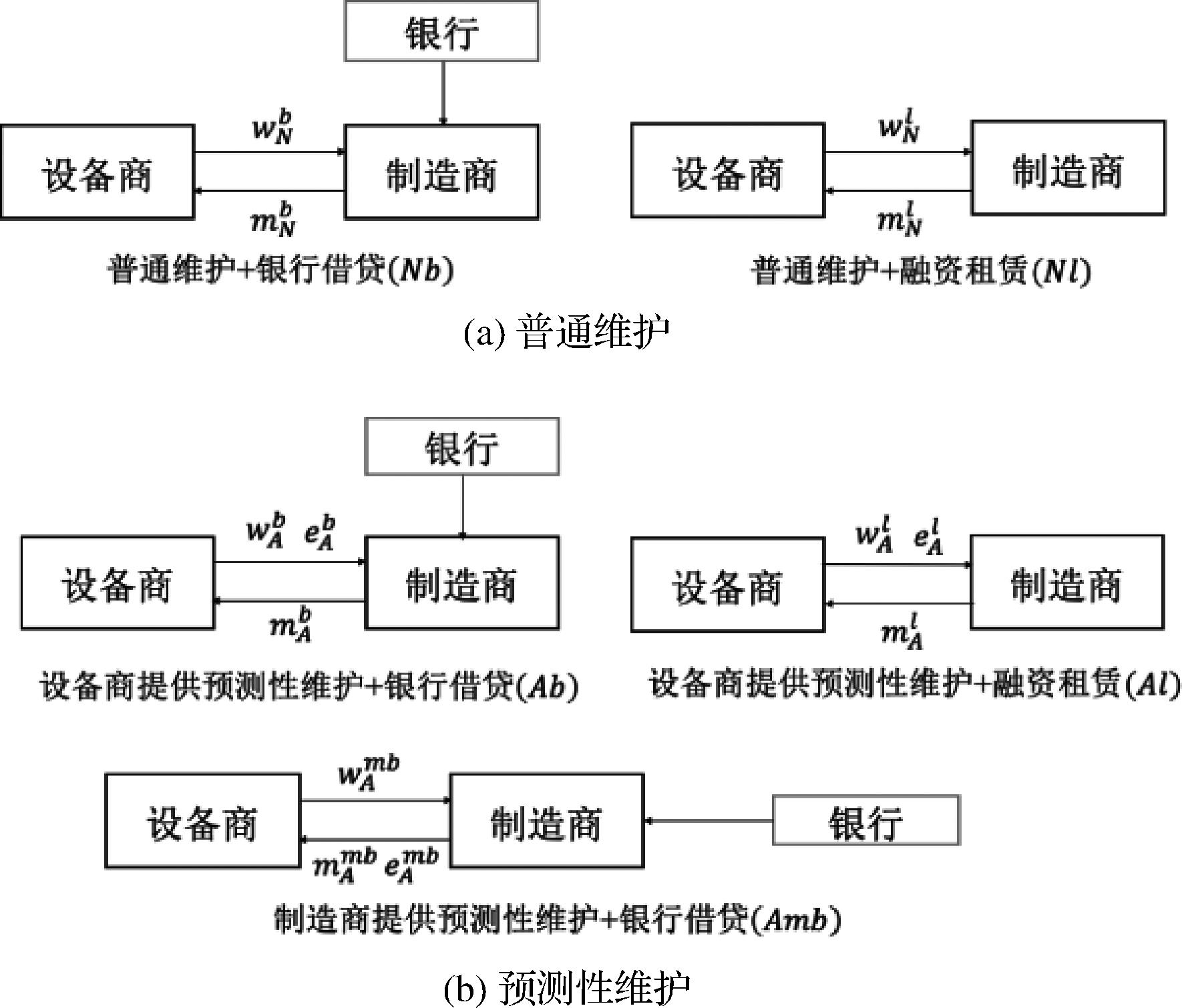

"
| 符号 | 解释说明 |
|---|---|
| 参数 | |
| 单机计划产能 | |
| 非计划停机损耗率 | |
| AI 预测性维护的降损系数 | |
| 市场规模 | |
| 单台设备生产成本 | |
单台设备期末残值 努力对质量溢价的敏感度 努力成本系数 银行借贷利率 融资租赁利率 | |
| 变量 | |
| 设备合约价格( | |
设备采购数量( AI 预测性维护努力水平 |
"
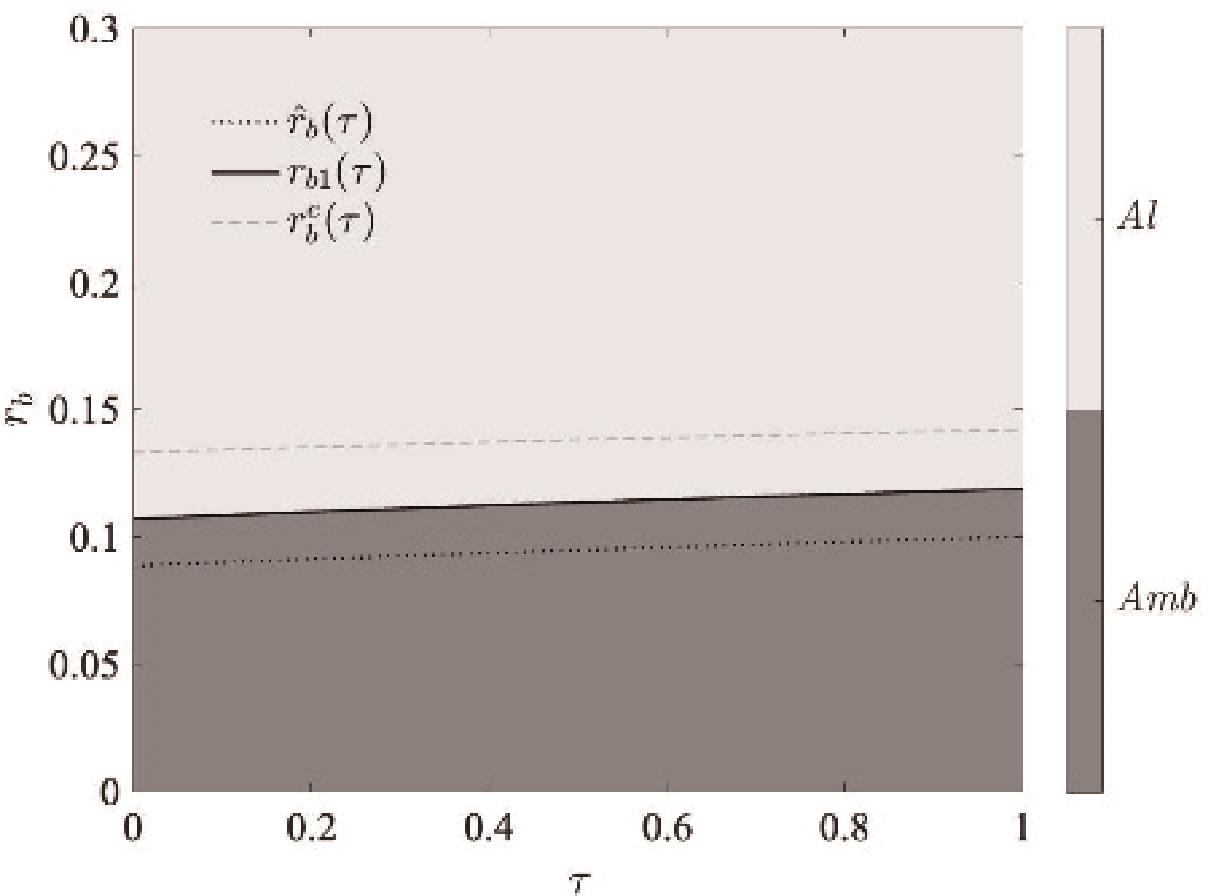
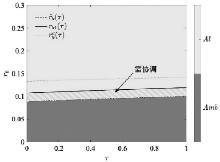
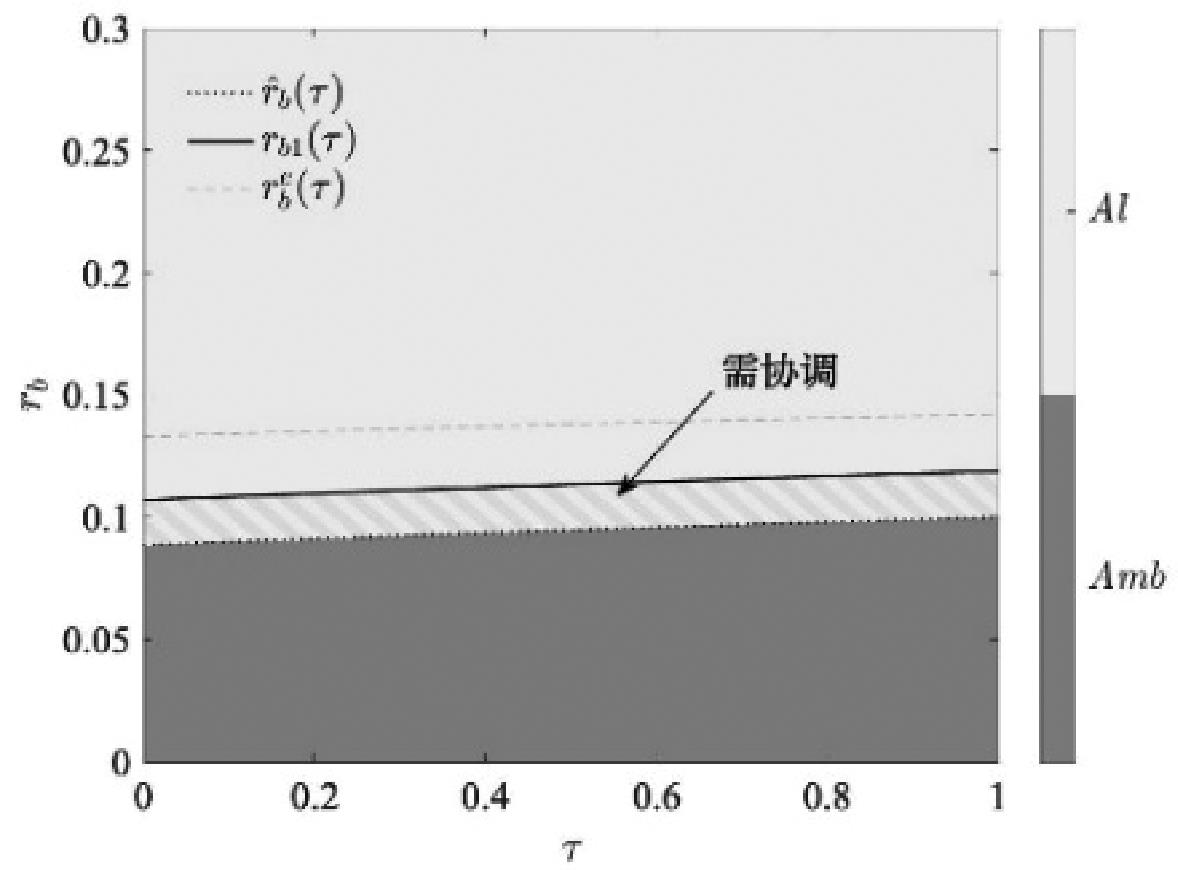
"
"
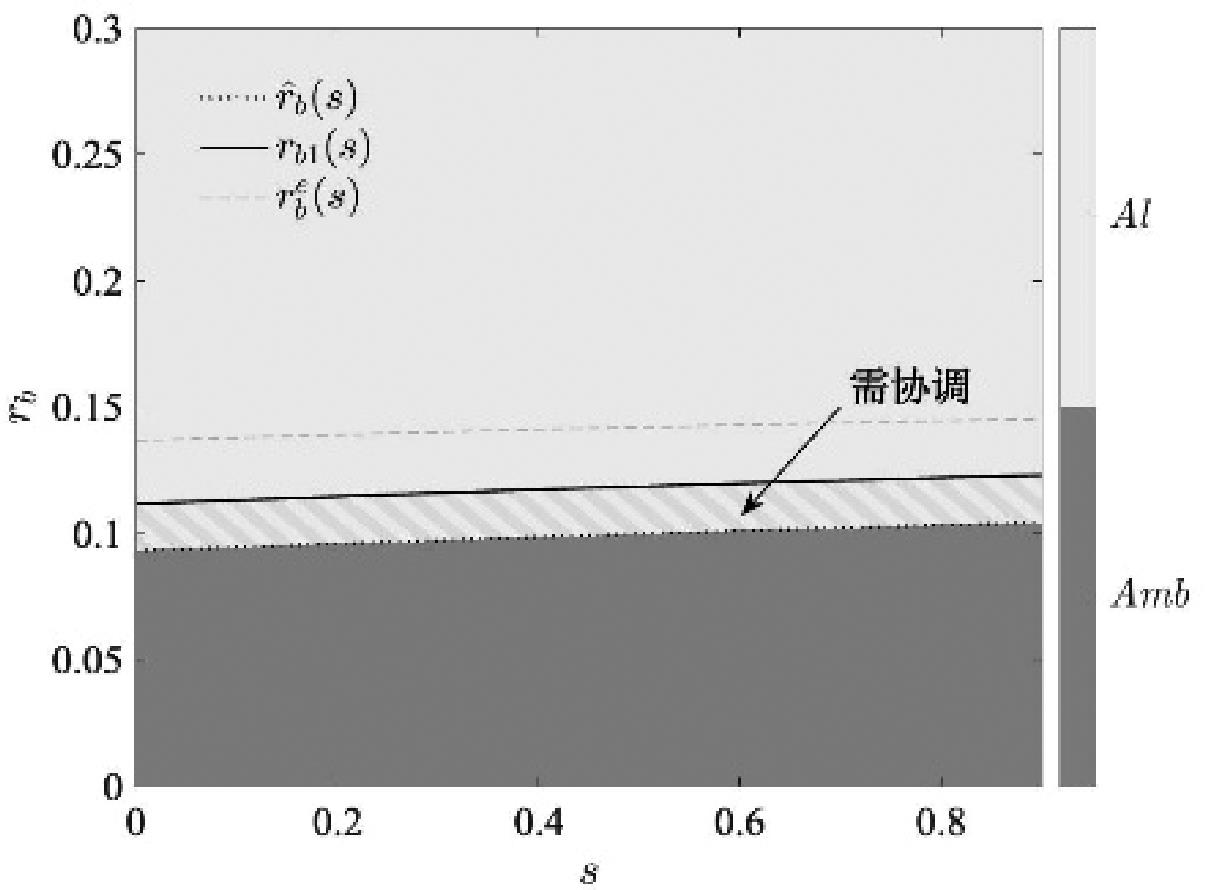
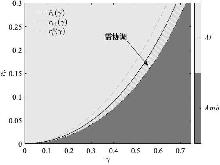
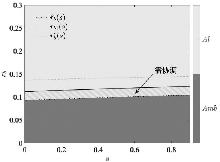
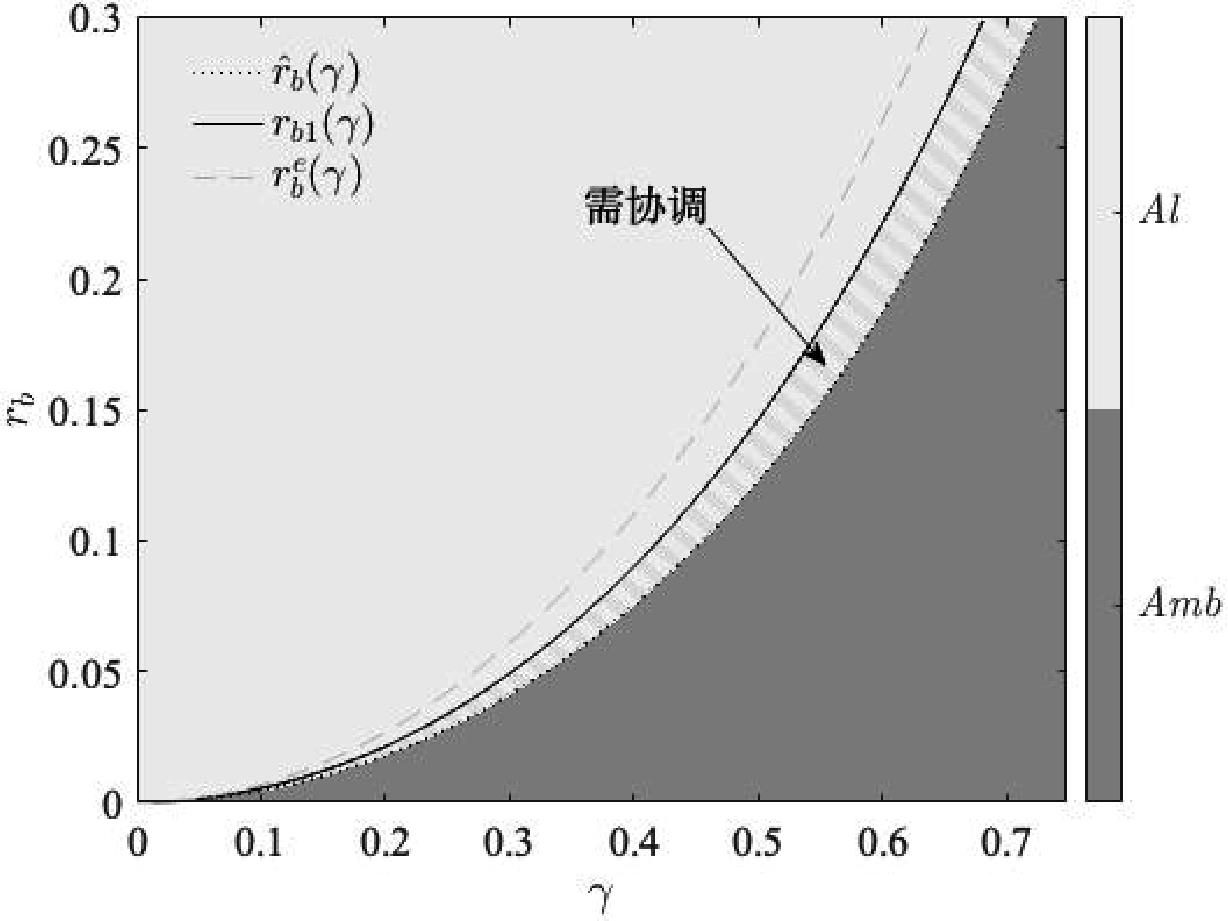
"
"
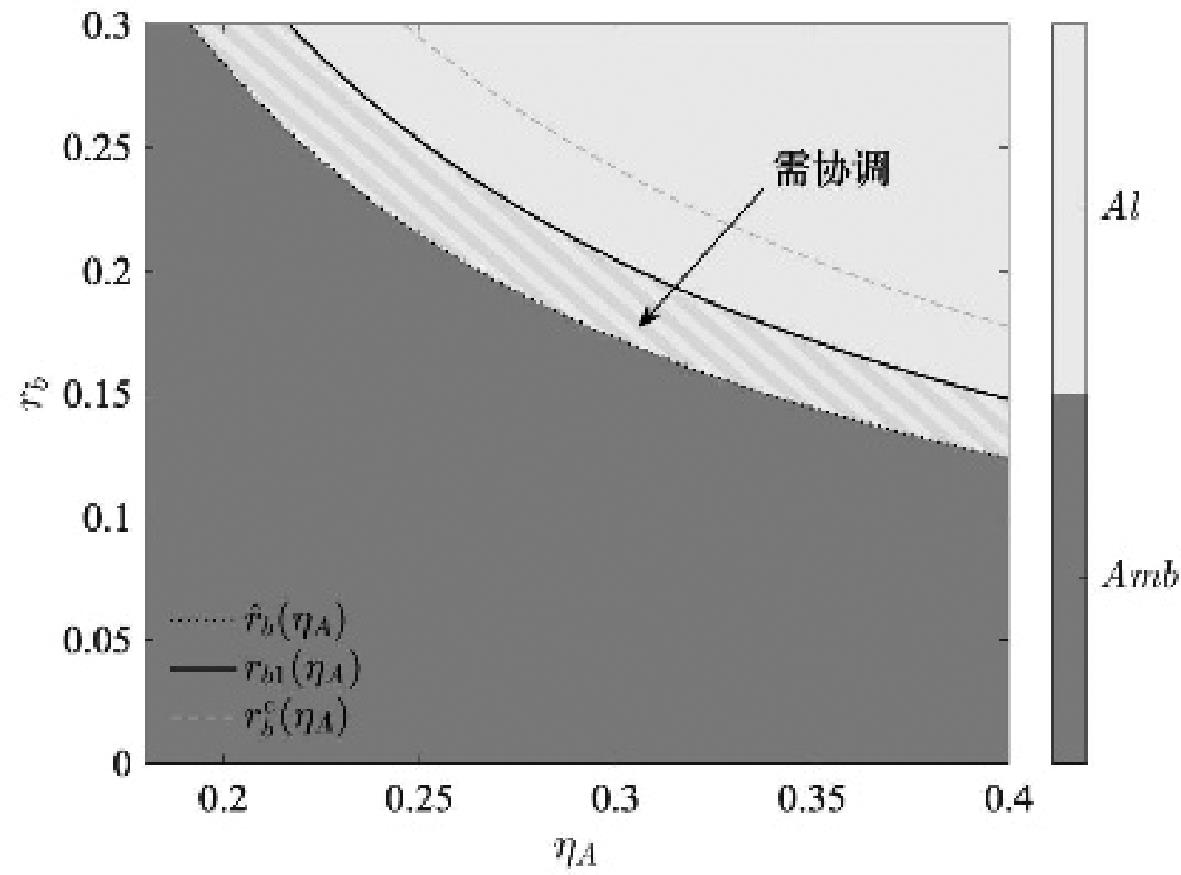

"
"
| [1] | IndustryWeek in Collaboration with Emerson. How manufacturers can achieve top quartile performance[EB/OL].(2016-02-09)[2026-04-12].. |
| [2] | 陈菊红, 黄放, 张雅琪, 等. 基于公平熵的预测性维护服务价值衡量及收益分配机制研究[J]. 预测, 2018, 37(5): 69-74. |
| Chen J H, Huang F, Zhang Y Q, et al. Predictive maintenance service' s value measurement and revenue distribution based on equitable entropy[J]. Forecasting, 2018, 37(5): 69-74. | |
| [3] | You M Y, Liu F, Wang W, et al. Statistically planned and individually improved predictive maintenance management for continuously monitored degrading systems[J]. IEEE Transactions on Reliability,2010,59(4): 744-753. |
| [4] | 袁烨, 张永, 丁汉. 工业人工智能的关键技术及其在预测性维护中的应用现状[J]. 自动化学报, 2020, 46(10): 2013-2030. |
| Yuan Y, Zhang Y, Ding H. Research on key technology of industrial artificial intelligence and its application in predictive maintenance[J]. Acta Automatica Sinica, 2020, 46(10): 2013-2030. | |
| [5] | Hector I, Panjanathan R. Predictive maintenance in Industry 4.0: A survey of planning models and machine learning techniques[J]. PeerJ Computer Science, 2024, 10: e2016. |
| [6] | Scaife A D. Improve predictive maintenance through the application of artificial intelligence: A systematic review[J]. Results in Engineering, 2024, 21: 101645. |
| [7] | Meitz L, Senge J, Wagenhals T, et al. A literature review framework and open research challenges for predictive maintenance in industry 4.0[J]. Computers & Industrial Engineering, 2025, 206: 111193. |
| [8] | Deloitte. Using AI in predictive maintenance to forecast the future[EB/OL].(2025-03-25)[2026-04-12].. |
| [9] | 安徽容知日新科技股份有限公司. 2024年年度报告[EB/OL]. (2025-04-25)[2026-09-16]. . |
| Anhui Ronds Science & Technology Incorporated Company. Annual report 2024[EB/OL].(2025-04-25)[2026-09-16].. | |
| [10] | Duan S, Sun J, Yu Z Q, et al. Uncertain data driven predictive maintenance: A cost-oriented implementation method on aircraft system[J]. Reliability Engineering & System Safety, 2025, 264: 111278. |
| [11] | Dinh D H, Do P, Bui M H, et al. A dynamic inspection model for predictive maintenance considering different degrees of inspection quality[J]. Reliability Engineering & System Safety, 2025, 261: 111165. |
| [12] | Shapiro C. Premiums for high quality products as returns to reputations[J]. The Quarterly Journal of Economics, 1983, 98(4): 659-679. |
| [13] | Klein B, Leffler K B. The role of market forces in assuring contractual performance[J]. Journal of Political Economy, 1981, 89(4): 615-641. |
| [14] | Xu X, Chen X, Hou J, et al. Should live streaming be adopted for agricultural supply chain considering platform’s quality improvement and blockchain support?[J]. Transportation Research Part E: Logistics and Transportation Review, 2025, 195: 103950. |
| [15] | 赵帅, 曹晓宁, 李文立. 不同权力结构下考虑智慧农业技术的生鲜农产品供应链定价与协调研究[J]. 中国管理科学, 2025, 33(2): 262-278. |
| Zhao S, Cao X N, Li W L. Research on pricing and coordination of fresh agricultural product supply chain considering the smart agriculture technology under different power structures[J]. Chinese Journal of Management Science, 2025, 33(2): 262-278. | |
| [16] | Yao X, Li X, Mangla S K, et al. Roles of AI: Financing selection for regretful SMEs in e-commerce supply chains[J]. Transportation Research Part E: Logistics and Transportation Review, 2024, 189: 103649. |
| [17] | Lu Q, Liao C, Chen M, et al. Platform financing or bank financing in agricultural supply chains: The impact of platform digital empowerment[J]. European Journal of Operational Research, 2024, 315(3): 952-964. |
| [18] | 广州佛朗斯股份有限公司.全球发售:招股章程[EB/OL].(2023-10-31)[2026-09-16].. |
| Folangsi Co., Ltd.Global offering: Prospectus[EB/OL].(2023-10-31)[2026-09-16].. | |
| [19] | Ding Y, Xia T, Huang M, et al. Predictive maintenance and upgrade scheduling for production line under multi-period product-service paradigm[J]. Engineering Optimization, 2023, 55(10): 1723-1741. |
| [20] | Wang W, Feng L, Li Y, et al. Role of financial leasing in a capital-constrained service supply chain[J]. Transportation Research Part E: Logistics and Transportation Review, 2020, 143: 102097. |
| [21] | Zhang W, Bi C, Yang F. Purchasing or leasing? Equipment upgrades for a capital-constrained manufacturer[J]. Journal of Environmental Management, 2025, 373: 123635. |
| [22] | Cachon G P, Lariviere M A. Supply chain coordination with revenue-sharing contracts: Strengths and limitations[J]. Management Science, 2005, 51(1): 30-44. |
| [23] | Chen J, Zhang H, Sun Y. Implementing coordination contracts in a manufacturer Stackelberg dual-channel supply chain[J]. Omega, 2012, 40(5): 571-583. |
| [24] | Zhang P, Xiong Y, Xiong Z. Coordination of a dual-channel supply chain after demand or production cost disruptions[J].International Journal of Production Research, 2015, 53(10): 3141-3160. |
| [25] | 王先甲, 周亚平, 钱桂生. 生产商规模不经济的双渠道供应链协调策略选择[J]. 管理科学学报, 2017, 20(1): 17-31. |
| Wang X J, Zhou Y P, Chin K S. The selection of dual-channel supply chain coordination strategy considering manufacturer' diseconomies of scale[J]. Journal of Management Sciences in China, 2017, 20(1): 17-31. | |
| [26] | Wu J, Yu J. Blockchain’s impact on platform supply chains: Transaction cost and information transparency perspectives[J]. International Journal of Production Research, 2023, 61(11): 3703-3716. |
| [27] | 梁家密, 易余胤. 网络外部性下的供应链广告和定价协调模型[J].管理科学学报,2024, 27(12): 82-102. |
| Liang J M, Yi Y Y. Coordinating supply chain advertising and pricing under network externalities[J]. Journal of Management Sciences in China, 2024, 27(12): 82-102. | |
| [28] | Rolls-Royce.TotalCare®|Rolls-Royce[EB/OL].[2026-04-12].. |
| [29] | GE HealthCare.UniversalTM full-service solutions[EB/OL].(2025-07)[2026-04-12].. |
| [30] | Healthineers Siemens. Performance plans[EB/OL]. (2020) [2026-04-12]. . |
| [31] | Zonta T, da Costa C A, da Rosa Righi R, et al. Predictive maintenance in the Industry 4.0: A systematic literature review[J]. Computers & Industrial Engineering, 2020, 150: 106889. |
| [32] | 冯章伟, 杜碧升, 于志勇, 等. 区块链驱动的新能源汽车动力电池回收与溯源技术投入策略研究[J]. 中国管理科学, 2025, 33(4): 313-324. |
| Feng Z W, Du B S, Yu Z Y, et al. Recycling and traceability technology introducing strategy of new energy vehicles' power battery driven by blockchain[J]. Chinese Journal of Management Science, 2025, 33(4): 313-324. | |
| [33] | 牛攀峰, 侯文华. 考虑供应商产品交付水平的供应链融资策略研究[J].中国管理科学,2021, 29(10): 70-83. |
| Niu P F, Hou W H. Research on supply chain financing decision considering supplier product delivery level[J]. Chinese Journal of Management Science, 2021, 29(10): 70-83. | |
| [34] | Paprocka I, Kempa W M, Skołud B. Predictive maintenance scheduling with reliability characteristics depending on the phase of the machine life cycle[J]. Engineering Optimization, 2021, 53(1): 165-183. |
| [35] | Mobley R K. Benefits of predictive maintenance[M]//Mobley R K.An Introduction to Predictive Maintenance. Amsterdam: Elsevier, 2002: 60-73. |
| [36] | Wang Y, Gao J, Cheng T C E, et al. Is it necessary for the supply chain to implement artificial intelligence-driven sales services at both the front-end and back-end stages?[J]. Transportation Research Part E: Logistics and Transportation Review, 2025, 194: 103923. |
| [37] | Zhou Q, Guo X, Sun C. The value of Augmented Reality on platform-based supply chains: Impact of accuracy effect and entertainment effect[J]. Transportation Research Part E: Logistics and Transportation Review, 2025, 194: 103953. |
| [38] | Fargo Wells. Equipment financing[EB/OL]. [2026-04-12]. . |
| [39] | Caterpillar. Complete lease: A lower-cost equipment lease agreement[EB/OL].[2025-09-06].. |
| [40] | Kouvelis P, Zhao W. Financing the newsvendor: Supplier vs. Bank, and the structure of optimal trade credit contracts[J]. Operations Research, 2012, 60(3): 566-580. |
| [41] | Chen X, Cai G, Song J S. The cash flow advantages of 3PLs as supply chain orchestrators[J]. Manufacturing & Service Operations Management, 2019, 21(2): 435-451. |
| [42] | FANUC America. FANUC America’s Robot LINKi Zero Down Time (ZDT) available on all FANUC robots[EB/OL]. (2018-03-22) [2026-04-12]. . |
| [43] | Volvo Trucks North America. Volvo Trucks taps AI for adaptive maintenance, uptime enhancements as part of Blue Service Contract[EB/OL].(2024-10-14) [2026-04-12].. |
| [44] | Augury. Augury and HSB introduce innovative production loss guarantee for critical rotating assets[EB/OL]. (2023-12-05)[2026-09-18].. |
| [45] | BHP. The role of digital twins and AI in enhancing decision-making in the mining industry[EB/OL]. (2025-02-05)[2026-04-12].. |
| [46] | Komatsu Industries Corp. Predictive maintenance system-Komtrax[EB/OL].[2026-04-12]. . |
| [47] | Komatsu. Komatsu financing[EB/OL].(2026-03-10)[2026-04-12].. |
| [48] | 张旭梅, 王波, 刘益, 等. 基于第三方共享制造平台的供应链质量信息披露与激励机制研究[J]. 中国管理科学, 2024, 32(12): 278-287. |
| Zhang X M, Wang B, Liu Y, et al. Quality information disclosure strategies and incentive mechanism in the supply chain based on the third-party shared manufacturing platform[J]. Chinese Journal of Management Science, 2024, 32(12): 278-287. | |
| [49] | Leng M, Zhu A. Side-payment contracts in two-person nonzero-sum supply chain games: Review, discussion and applications[J]. European Journal of Operational Research, 2009, 196(2): 600-618. |
| [50] | Deprez L, Antonio K, Boute R. Empirical risk assessment of maintenance costs under full-service contracts[J]. European Journal of Operational Research, 2023, 304(2): 476-493. |
| [1] | Jianbin Li, Yunjing Dai, Shuiyin Zhou, Xiyang Hou. Research on Coordination Mechanism of Time-Dependent Supply Chain under Procurement Price Fluctuations [J]. Chinese Journal of Management Science, 2026, 34(9): 315-325. |
| [2] | Zhongquan Hu, Ao Shen, Xiaomei Li, Zongming Zhang. Research on Emergency Material Purchase-reserve and Subsidy under Agreement Enterprise Reserve Mode [J]. Chinese Journal of Management Science, 2025, 33(7): 243-252. |
| [3] | Jiangxia Nan, Xiaoyong Wu, Maojun Zhang. Production Competition and Emission Reduction Technology Cooperation between Manufacturers under the Low-carbon Market Based on Blockchain Technology [J]. Chinese Journal of Management Science, 2025, 33(6): 360-368. |
| [4] | Shuai Zhao, Xiaoning Cao, Wenli Li. Research on Pricing and Coordination of Fresh Agricultural Product Supply Chain Considering the Smart Agriculture Technology under Different Power Structures [J]. Chinese Journal of Management Science, 2025, 33(2): 262-278. |
| [5] | Shouyu Ma, Yanqing Liang, Feng Xiong, Penghui Lou. Order Decision and Supply Chain Coordination Considering Demand Uncertainty and Return Heterogeneity under the BOPS Mode [J]. Chinese Journal of Management Science, 2025, 33(12): 264-273. |
| [6] | Junfei Ding,Weida Chen,Shuaishuai Fu. Pricing and Coordination in a Supply Chain with Emission Option Contract under a Remanufacturing Environment [J]. Chinese Journal of Management Science, 2024, 32(3): 95-104. |
| [7] | Xue-li MA, Ying ZHAO, Qing-guo BAI, Hong-guang BO. Optimal Strategies and Coordination of Three-echelon Cold Chain of Fresh Products Considering Freshness-keeping and Carbon Abatement [J]. Chinese Journal of Management Science, 2023, 31(9): 52-61. |
| [8] | Jian-sheng DAI, Ge LI. Coordination of Supply Chain Cooperative Advertising with Financial Constraints [J]. Chinese Journal of Management Science, 2023, 31(9): 83-93. |
| [9] | DAI Jian-sheng, LI Ling. Coordination of a Loss Averse and Financially Constrained Supply Chain with Promotional Effort [J]. Chinese Journal of Management Science, 2023, 31(7): 183-193. |
| [10] | GENG Xin-yu, QIN Kai-da. Coordinating the Supply Chain in a Multi-Unit Consignment Auction [J]. Chinese Journal of Management Science, 2023, 31(5): 260-268. |
| [11] | QIU Ruo-zhen, WU Xu, SUN Yue, ZHU Zhu. Robust Optimization and Coordination Model for Supply Chain with Big Data Investment under Uncertain Demand [J]. Chinese Journal of Management Science, 2023, 31(1): 128-141. |
| [12] | DAI Jian-sheng, LIU Yue. Supply Chain Coordination via Option Contracts with Fairness Preference and Sales Effort [J]. Chinese Journal of Management Science, 2022, 30(7): 20-30. |
| [13] | LIU Yang, , TIAN Jun, FENG Geng-zhong, ZHOU Kun. The Model of Pre-positioning Relief Supplies under Option Contracts [J]. Chinese Journal of Management Science, 2022, 30(12): 338-351. |
| [14] | WANG Xu-ping, FAN Wen-ping, RUAN Jun-hu, SUN Zi-lai. Research on Operation Decision and Coordination Optimization of Modern Agricultural Supply Chain Considering Vertical Shareholding [J]. Chinese Journal of Management Science, 2022, 30(10): 165-176. |
| [15] | LUO Ling. Supply Chain Coordination in Vendor-Managed Inventory Systems with Variable Inventory Cost [J]. Chinese Journal of Management Science, 2022, 30(10): 187-197. |
| Viewed | ||||||
|
Full text |
|
|||||
|
Abstract |
|
|||||
|
||
