
主管:中国科学院
主办:中国优选法统筹法与经济数学研究会
中国科学院科技战略咨询研究院
主办:中国优选法统筹法与经济数学研究会
中国科学院科技战略咨询研究院

Chinese Journal of Management Science ›› 2026, Vol. 34 ›› Issue (11): 142-150.doi: 10.16381/j.cnki.issn1003-207x.2025.0349
Previous Articles Next Articles
Xing Gao1( ), Shihui Gu1, Boyuan Zhong2
Received:2025-03-04
Revised:2025-06-14
Online:2026-11-25
Published:2026-11-10
Contact:
Xing Gao
E-mail:emgx@seu.edu.cn
CLC Number:
Xing Gao,Shihui Gu,Boyuan Zhong. Pricing Model Selection for Software Firms under Consumer Anticipated Regret[J]. Chinese Journal of Management Science, 2026, 34(11): 142-150.

"
| 参数 | 内涵说明 |
|---|---|
| 消费者后悔厌恶敏感系数 | |
| 消费者与软件产品的匹配概率 | |
| 第 | |
| 售卖模式下企业在第 | |
| 租赁模式下企业在第一阶段的价格 | |
| 租赁模式下企业在第二阶段匹配或不匹配时的价格 | |
| 企业在售卖或租赁模式下的第一阶段消费者数量 | |
| 租赁模式下第二阶段成功匹配或未成功匹配时的消费者数量 | |
| 企业在售卖或租赁模式下的总利润 |
"
| 情形 | 决策变量 | 均衡解 | |
|---|---|---|---|
| 后悔购买 | 无差异点 | ||
| 价格 | |||
| 消费者数量 | |||
| 企业利润 | |||
| 后悔不购买 | 无差异点 | ||
| 价格 | |||
| 消费者数量 | 同后悔购买情形 | ||
| 企业利润 | |||
"
| 情形 | 决策变量 | 均衡解 | |
|---|---|---|---|
| 后悔购买 | 无差异点 | ||
| 价格 | |||
| 消费者数量 | |||
| 企业利润 | |||
| 后悔不购买 | 无差异点 | ||
| 价格 | |||
| 消费者数量 | 同后悔购买情形 | ||
| 企业利润 | |||
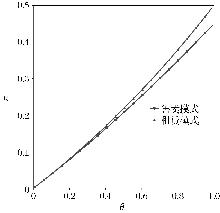
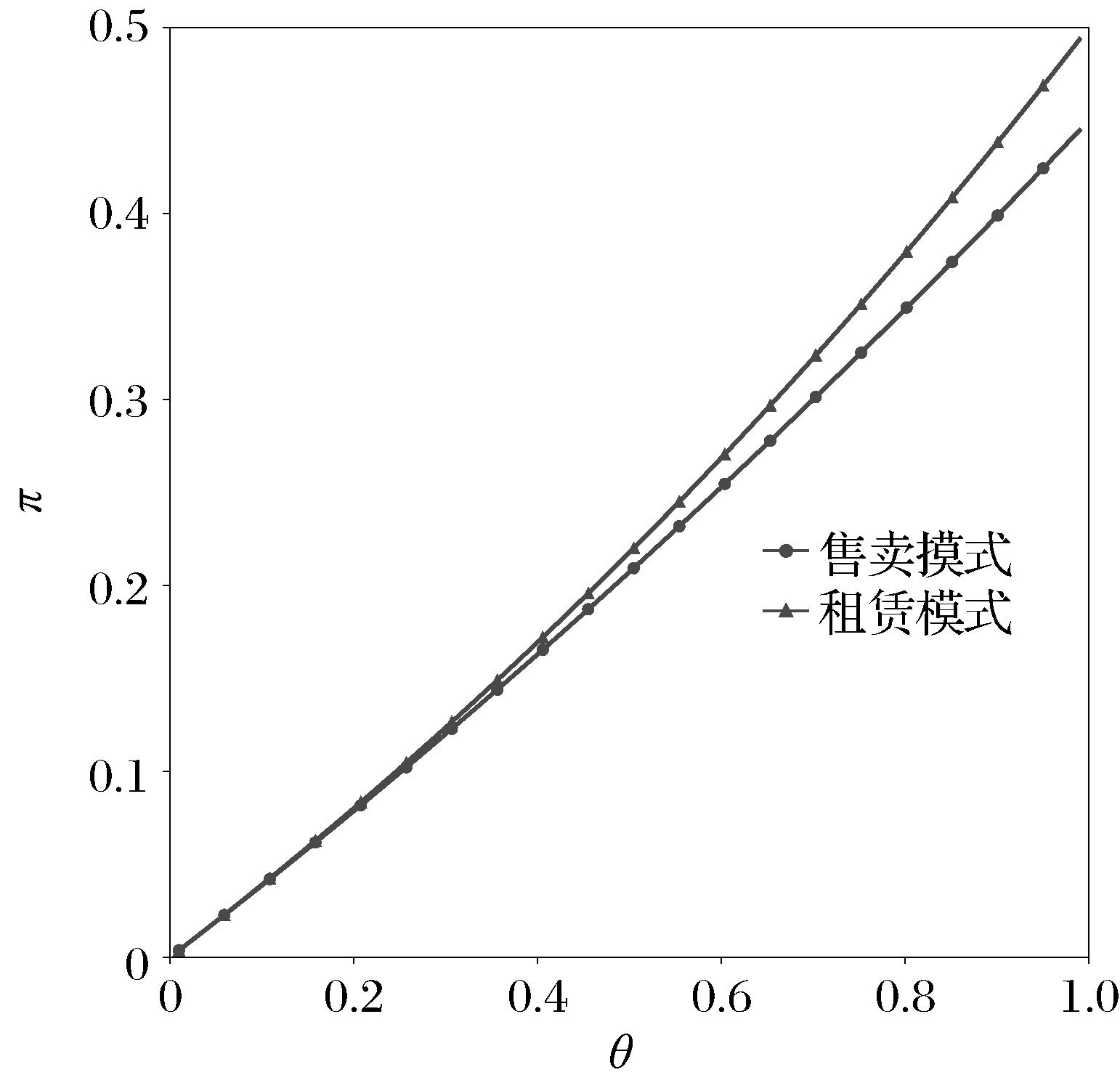
"
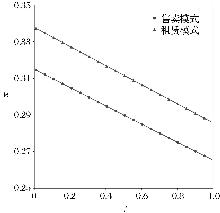
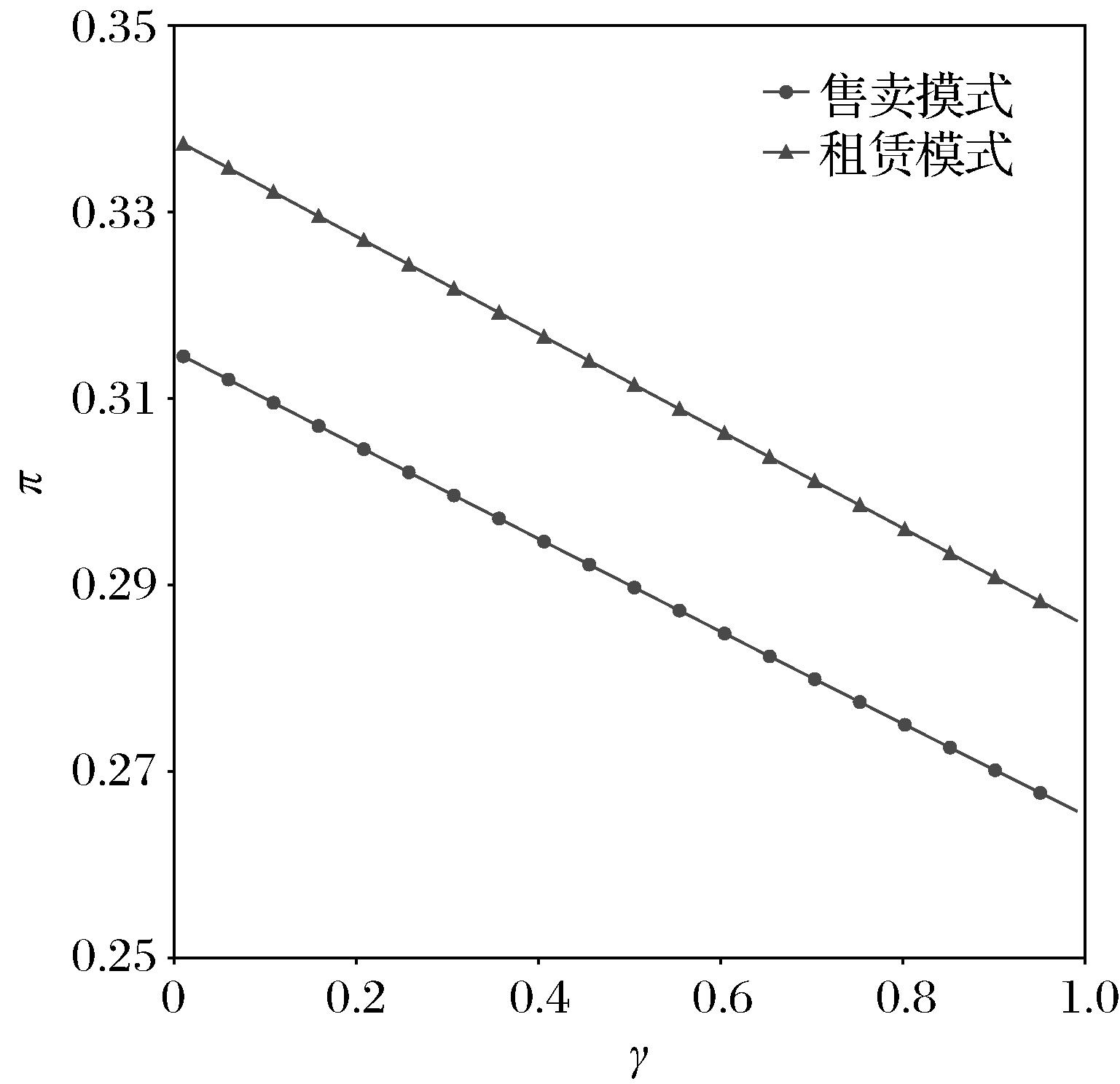
"
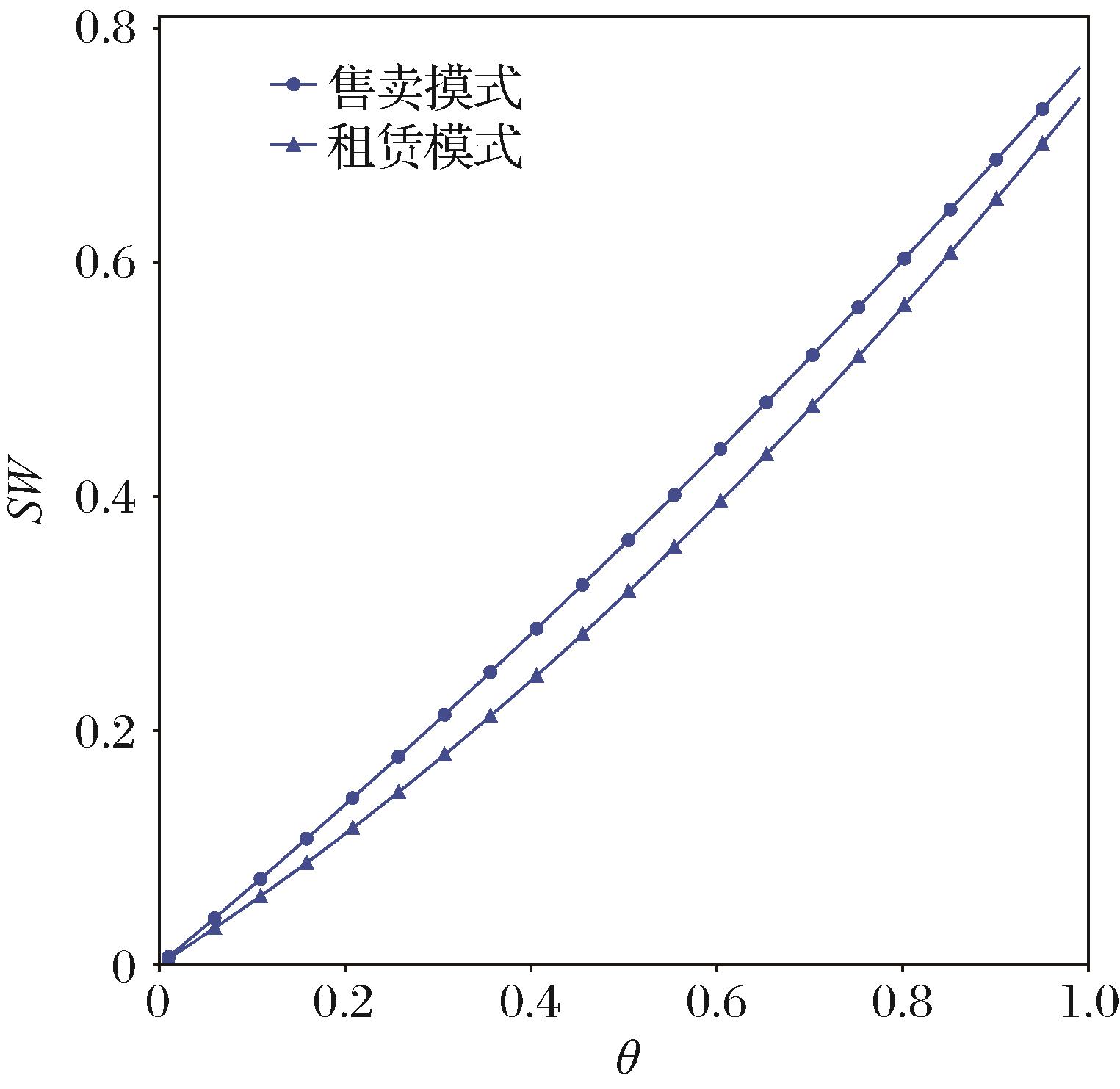
"
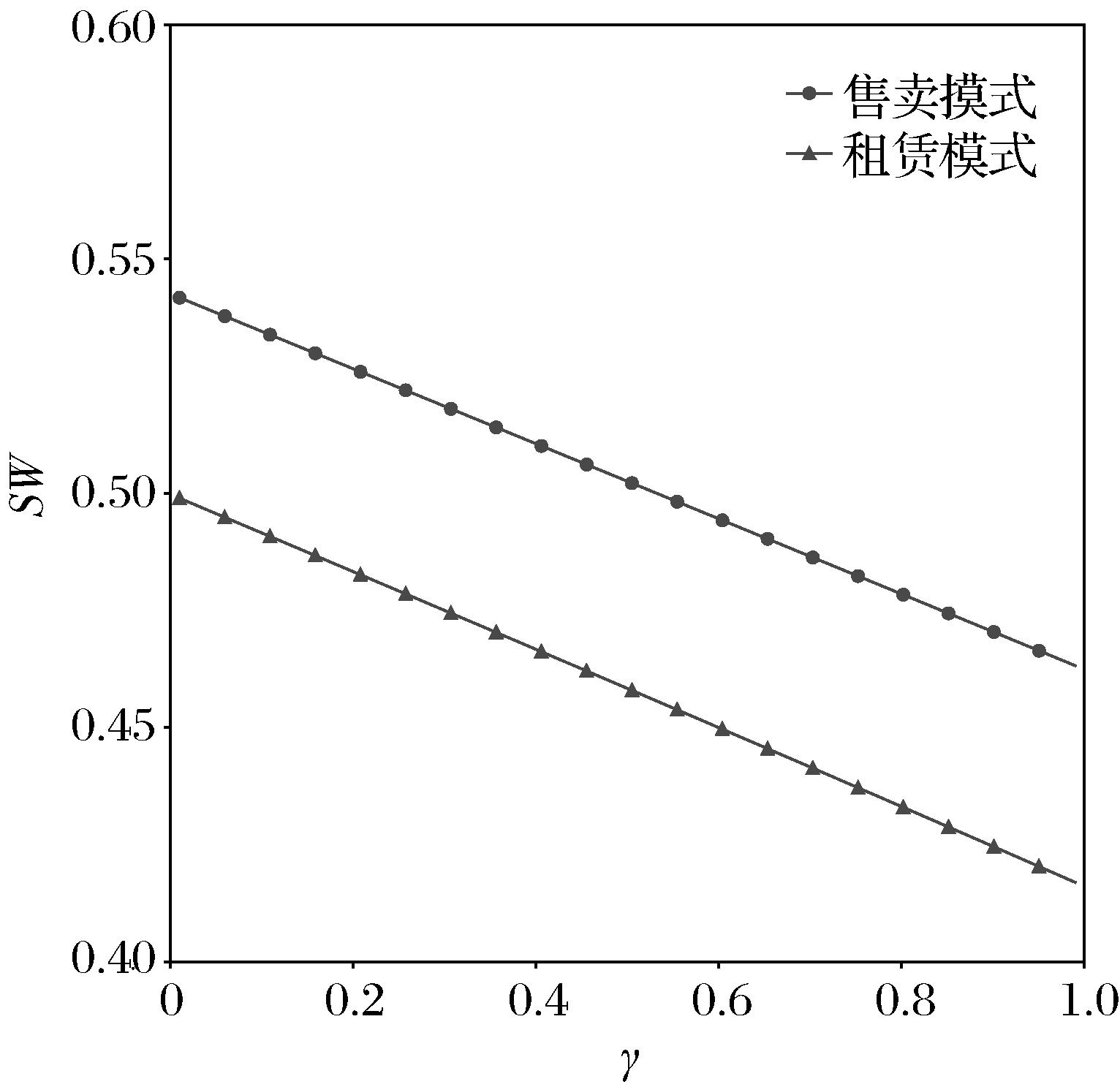
"
| [1] | Barta S, Gurrea R, Flavián C. The double side of flow in regret and product returns: Maximizers versus satisficers[J]. International Journal of Information Management, 2023, 71: 102648. |
| [2] | The Standish Group International Inc. CHAOS summary 2009[R]. Working Paper,The Standish Group International Inc., 2009. |
| [3] | Xin M, Choudhary V. IT investment under competition: The role of implementation failure[J]. Management Science, 2019, 65(4): 1909-1925. |
| [4] | Rotman J D, Lee S H M, Perkins A W. The warmth of our regrets: Managing regret through physiological regulation and consumption[J]. Journal of Consumer Psychology, 2017, 27(2): 160-170. |
| [5] | Chambers C P, Liu C, Rehbeck J. Costly information acquisition[J]. Journal of Economic Theory, 2020, 186: 104979. |
| [6] | Zeelenberg M, Pieters R. A theory of regret regulation 1.0[J]. Journal of Consumer Psychology, 2007, 17(1): 3-18. |
| [7] | 叶燚, 郭强, 聂佳佳. 消费者预期后悔对企业低碳策略选择的影响[J].中国管理科学,2025,33(2): 242-247. |
| Ye Y, Guo Q, Nie J J. The impact of consumer expected regret on the low-carbon strategy choices of enterprises[J]. Chinese Journal of Management Science, 2025, 33(2): 242-247. | |
| [8] | 王德胜, 王冠琳. 信息不对称条件下消费者网络购物的感知风险[J]. 经济管理, 2013, 35(1): 142-152. |
| Wang D S, Wang G L. A empirical study on the consumer’s perceived risk of online shopping under asymmetric information[J]. Business and Management Journal (BMJ), 2013, 35(1): 142-152. | |
| [9] | Ikhsan R B, Fernando Y, Gui A, et al. The power of online reviews: Exploring information asymmetry and its impact on green product purchasing behavior[J]. International Journal of Consumer Studies, 2024, 48(3): e13050. |
| [10] | Bhargava H K, Choudhary V. Economics of an information intermediary with aggregation benefits[J]. Information Systems Research, 2004, 15(1): 22-36. |
| [11] | Cheng H K, Tang Q C. Free trial or no free trial: Optimal software product design with network effects[J]. European Journal of Operational Research, 2010, 205(2): 437-447. |
| [12] | Bell D E. Regret in decision making under uncertainty[J]. Operations Research, 1982, 30(5): 961-981. |
| [13] | Loomes G, Sugden R. Regret theory: An alternative theory of rational choice under uncertainty[J]. The Economic Journal, 1982, 92(368): 805-824. |
| [14] | Loomes G, Sugden R. Testing for regret and disappointment in choice under uncertainty[J]. Economic Journal, 1987, 97(388a): 118-129. |
| [15] | Zeelenberg M, Beattie J, van der Pligt J, et al. Consequences of regret aversion: Effects of expected feedback on risky decision making[J]. Organizational Behavior and Human Decision Processes,1996,65(2): 148-158. |
| [16] | Connolly T, Zeelenberg M. Regret in decision making[J]. Current Directions in Psychological Science, 2002, 11(6): 212-216. |
| [17] | Chorus C G. A new model of random regret minimization[J]. European Journal of Transport and Infrastructure Research, 2010, 10(2): 181-196. |
| [18] | 陈福明, 王丽亭. 考虑消费者预期后悔的多产品动态定价[J]. 产经评论, 2019, 10(3): 16-33. |
| Chen F M, Wang L T. Multi-product dynamic pricing model with consumer’s anticipated regret[J]. Industrial Economic Review, 2019, 10(3): 16-33. | |
| [19] | 高鹏, 杜建国, 聂佳佳, 等. 消费者后悔预期对竞争型再制造供应链权力结构的影响[J]. 中国管理科学, 2017, 25(1): 78-87. |
| Gao P, Du J G, Nie J J, et al. Impact of consumer’s anticipated regret on power structure of competitive remanufacturing supply chain[J]. Chinese Journal of Management Science, 2017, 25(1): 78-87. | |
| [20] | 高鹏, 朱宾欣. 基于消费者预期后悔的信息产品政府反盗版监管策略[J].工程管理科技前沿, 2023, 42(5): 82-89. |
| Gao P, Zhu B X. Government anti-piracy regulation strategy of information products based on Consumers’Anticipated regret[J]. Frontiers of Science & Technology of Engineering Management,2023,42(5): 82-89. | |
| [21] | 刘维奇, 张晋菁. 考虑消费者预期后悔的价格歧视策略研究[J]. 中国管理科学, 2018, 26(5): 1-8. |
| Liu W Q, Zhang J J. Study on price discrimination strategies with consumer anticipated regret[J]. Chinese Journal of Management Science, 2018, 26(5): 1-8. | |
| [22] | 叶新兰, 李金凤, 官振中. 考虑消费者预期后悔行为的产品定价模型[J].系统管理学报,2023, 32(3): 589-604. |
| Ye X L, Li J F, Guan Z Z. Product pricing model considering consumer anticipated regret behavior[J]. Journal of Systems & Management,2023,32(3): 589-604. | |
| [23] | Zou T X, Zhou B, Jiang B J. Product-line design in the presence of consumers’ anticipated regret[J]. Management Science, 2020, 66(12): 5665-5682. |
| [24] | 段永瑞, 徐超, 刘晶晶. 考虑预期后悔的创新产品定价和质量决策研究[J]. 工业工程与管理, 2021, 26(3): 185-194. |
| Duan Y R, Xu C, Liu J J. Pricing and quality policies for innovated products with consumers’Anticipated regret[J]. Industrial Engineering and Management, 2021, 26(3): 185-194. | |
| [25] | Li J, Wang H, Deng Z W, et al. Leasing or selling? The channel choice of durable goods manufacturer considering consumers’ capital constraint[J]. Flexible Services and Manufacturing Journal, 2022, 34(2): 317-350. |
| [26] | Jia K H, Liao X W, Feng J. Selling or leasing? Dynamic pricing of software with upgrades[J]. European Journal of Operational Research, 2018, 266(3): 1044-1061. |
| [27] | Ladas K, Kavadias S, Loch C. Product selling vs. Pay-per-use service: A strategic analysis of competing business models[J]. Management Science, 2021, 68(7): 4964-4982. |
| [28] | Jiang B J, Narasimhan C, Turut Ö. Anticipated regret and product innovation[J]. Management Science, 2016, 63(12): 4308-4323. |
| [29] | Bhaskaran S R, Gilbert S M. Selling and leasing strategies for durable goods with complementary products[J]. Management Science, 2005, 51(8): 1278-1290. |
| [1] | Xingzheng Li, Jinpeng Xu, Tianfang Zan, Gengzhong Feng. Posterior Price Matching of a Retailer Based on Consumers' Waiting Behavior [J]. Chinese Journal of Management Science, 2026, 34(9): 258-271. |
| [2] | Xinyue Tan, Jiafu Tang, Tingting Li. Analysis of O2O Food Delivery Platform Commission Model Selection and Pricing Strategy Considering Bounded Rationality [J]. Chinese Journal of Management Science, 2026, 34(8): 127-138. |
| [3] | Zhenkai Lou, Zhiying Wang, Xuming Lou, Xiaozhen Dai. Sales Model Choice and Pricing Strategy in the Presence of Discount Factor and Supply Constraint [J]. Chinese Journal of Management Science, 2026, 34(8): 246-256. |
| [4] | Xinxin Liu, Zilai Sun, Jiliang Han, Xiangpei Hu, Junhu Ruan. Research on Pricing Strategy of Agricultural Service Platform Considering Farmers’ Mental Cost and Cooperative Loss [J]. Chinese Journal of Management Science, 2026, 34(7): 323-335. |
| [5] | Xiaoqing Zhang, Xigang Yuan, Jiajia Chen, Qiang Wei, Baofeng Huo. Research on Trade-in Pricing Strategies for Consumer Goods Considering Customer Privacy Concerns [J]. Chinese Journal of Management Science, 2026, 34(6): 291-302. |
| [6] | Jie Xu, Wen Hu, Chunlin Luo, Dongdong Yu. Pricing Strategies for the Echelon Utilization of New Energy Vehicle Power Batteries Enabled by Blockchain Technology [J]. Chinese Journal of Management Science, 2026, 34(5): 285-294. |
| [7] | Tao Li, Jun Zhao, Yang Liu, Bin Liu. Pricing Strategy in a Competitive Supply Chain under Retailers’“Virtual Bargaining” [J]. Chinese Journal of Management Science, 2026, 34(3): 275-285. |
| [8] | Yang Xu, Chen Dong, Xu Tian, Gongbing Bi. Insurer Pricing and Retailer Complimentary Strategy under the Return Freight Insurance Model [J]. Chinese Journal of Management Science, 2026, 34(10): 244-259. |
| [9] | Fei Yan, Hongzhuan Chen. Research on Dynamic Licensing Pricing Strategy of Dual-use Defense Patent Considering the Social Efficiency [J]. Chinese Journal of Management Science, 2025, 33(9): 148-160. |
| [10] | Rui Wang, Xiuli Xu. Customer Behavior and Pricing Analysis Based on “Service Intelligence Queueing System” [J]. Chinese Journal of Management Science, 2025, 33(8): 260-270. |
| [11] | Siming Pan,Shaokai Lu,Pan Liu. Research on Additional Investment and Pricing Strategy of Network Platform Considering Heterogeneous Bilateral Effect [J]. Chinese Journal of Management Science, 2024, 32(9): 193-200. |
| [12] | Jizhou Zhan,Yaqi Jin. Research on Pricing Strategy of Competitive E-commerce Platforms Considering Return Freight Insurance [J]. Chinese Journal of Management Science, 2024, 32(5): 325-334. |
| [13] | Junfei Ding,Weida Chen,Shuaishuai Fu. Pricing and Coordination in a Supply Chain with Emission Option Contract under a Remanufacturing Environment [J]. Chinese Journal of Management Science, 2024, 32(3): 95-104. |
| [14] | Le Wang,Yang Song,Tijun Fan. Strategies of Manufacturers Introducing Live Streaming [J]. Chinese Journal of Management Science, 2024, 32(2): 276-284. |
| [15] | Zhiyuan Zhang,Taofeng Ye. Pricing Strategies of SaaS Service Providers Considering Different Billing Methods [J]. Chinese Journal of Management Science, 2024, 32(10): 214-223. |
| Viewed | ||||||
|
Full text |
|
|||||
|
Abstract |
|
|||||
|
||
