
主管:中国科学院
主办:中国优选法统筹法与经济数学研究会
中国科学院科技战略咨询研究院
主办:中国优选法统筹法与经济数学研究会
中国科学院科技战略咨询研究院

中国管理科学 ›› 2026, Vol. 34 ›› Issue (7): 127-144.doi: 10.16381/j.cnki.issn1003-207x.2024.1117
• • 上一篇
黄虹富1, 李静2( ), 李莉1, 丁军飞3, 薛宇涵1
收稿日期:2024-07-05
修回日期:2024-09-30
出版日期:2026-07-25
发布日期:2026-06-18
通讯作者:
李静
E-mail:jinglee@nuaa.edu.cn
基金资助:
Hongfu Huang1, Jing Li2(), Li Li1, Junfei Ding3, Yuhan Xue1
Received:2024-07-05
Revised:2024-09-30
Online:2026-07-25
Published:2026-06-18
Contact:
Jing Li
E-mail:jinglee@nuaa.edu.cn
摘要:
在匹配能力可提升和网络效应影响下,考虑乘客与司机对价格和转换成本感知的差异,构建博弈模型,探讨网约车平台的双边定价决策。研究发现:(1)当乘客和司机均为转换成本敏感型或均为价格敏感型时,随着服务水平提升成本系数的增大,平台应降低服务价格和司机佣金。(2)当乘客为价格敏感型而司机为转换成本敏感型时,或当乘客为转换成本敏感型而司机为价格敏感型时,若乘客(司机)边的网络外部性系数大于一定阈值,平台对乘客(司机)收取的服务价格(司机佣金)随着服务水平提升成本系数和服务水平提升成本的增加而增加;当乘客(司机)边的网络外部性系数小于一定阈值时,平台对乘客(司机)收取的服务价格(司机佣金)随着服务水平提升成本系数和服务水平提升成本的增加而降低。(3)随着平台服务水平提升成本的增加,平台两边用户规模均增加。(4)当乘客/司机加入平台可获得的基础效用大于一定阈值时,平台利润随着服务水平提升成本的增大而增大;反之,平台利润随着服务水平提升成本的增大而减小。
中图分类号:
黄虹富,李静,李莉, 等. 考虑网络效应和匹配能力投资的网约车平台定价决策研究[J]. 中国管理科学, 2026, 34(7): 127-144.
Hongfu Huang,Jing Li,Li Li, et al. Research on the Pricing of Ride-hailing Platforms Considering Network Effects and Matching Ability Investments[J]. Chinese Journal of Management Science, 2026, 34(7): 127-144.
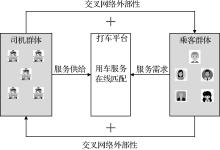
图1
网约车平台双边匹配结构"
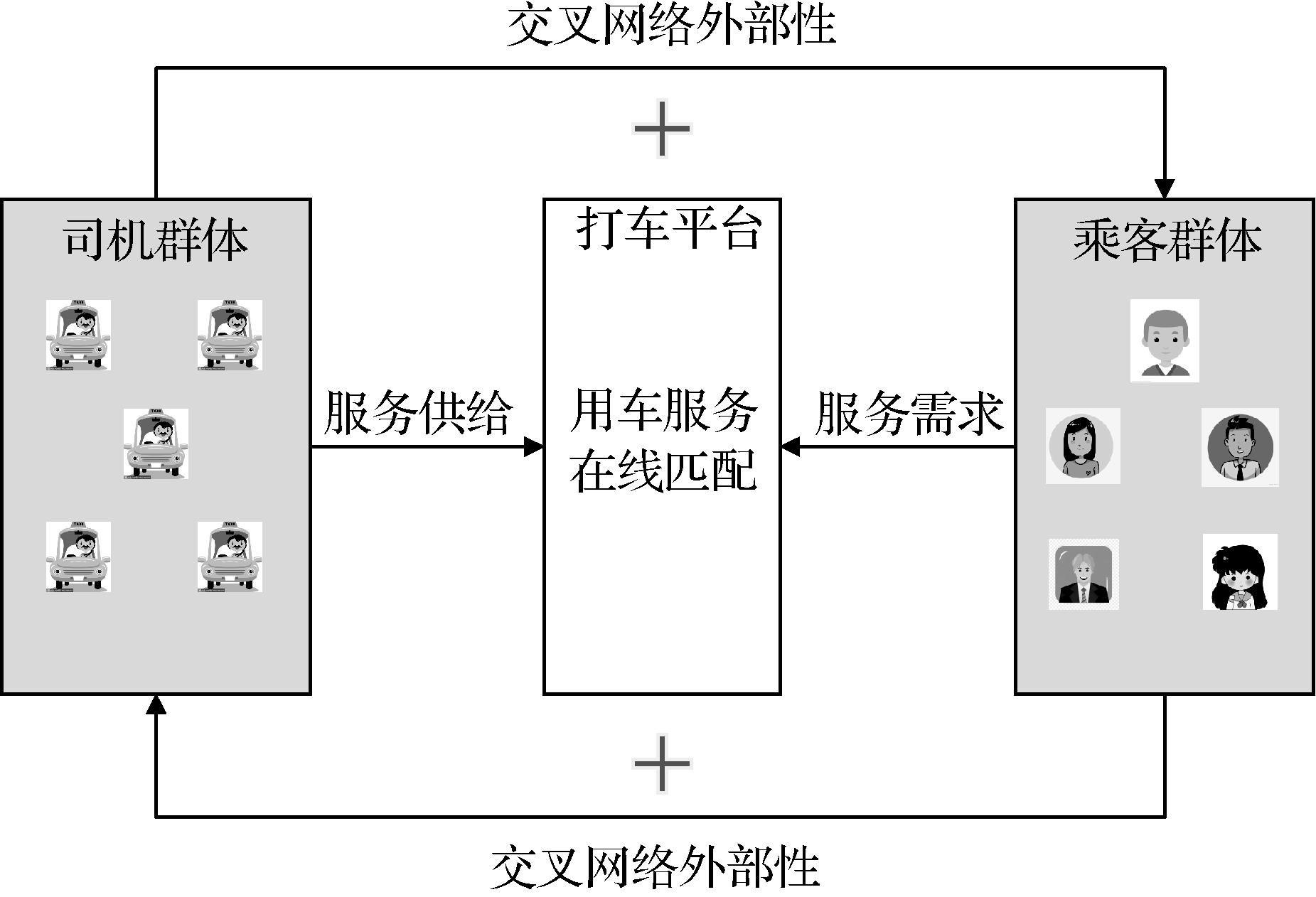

表1
重要参数说明"
| 参数类型 | 参数符号 | 含义 |
|---|---|---|
| 决策变量 | 网约车平台对单个乘客收取的服务价格 | |
| 网约车平台对单个司机抽取的佣金 | ||
| 其他变量 | 乘客/司机加入平台可获得的基础效用 | |
| 乘客/司机边的基础交叉网络外部性强度 | ||
| 乘客/司机的数量 | ||
| 乘客/司机转换成本的异质性 | ||
| 显著属性的相对权重被扭曲程度 | ||
| 平台匹配能力提升付出的成本 | ||
| 平台匹配能力提升对网络外部性的影响系数 |
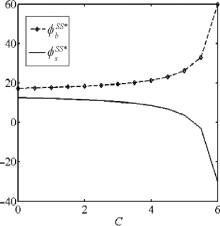
图2
定价随C的变化"
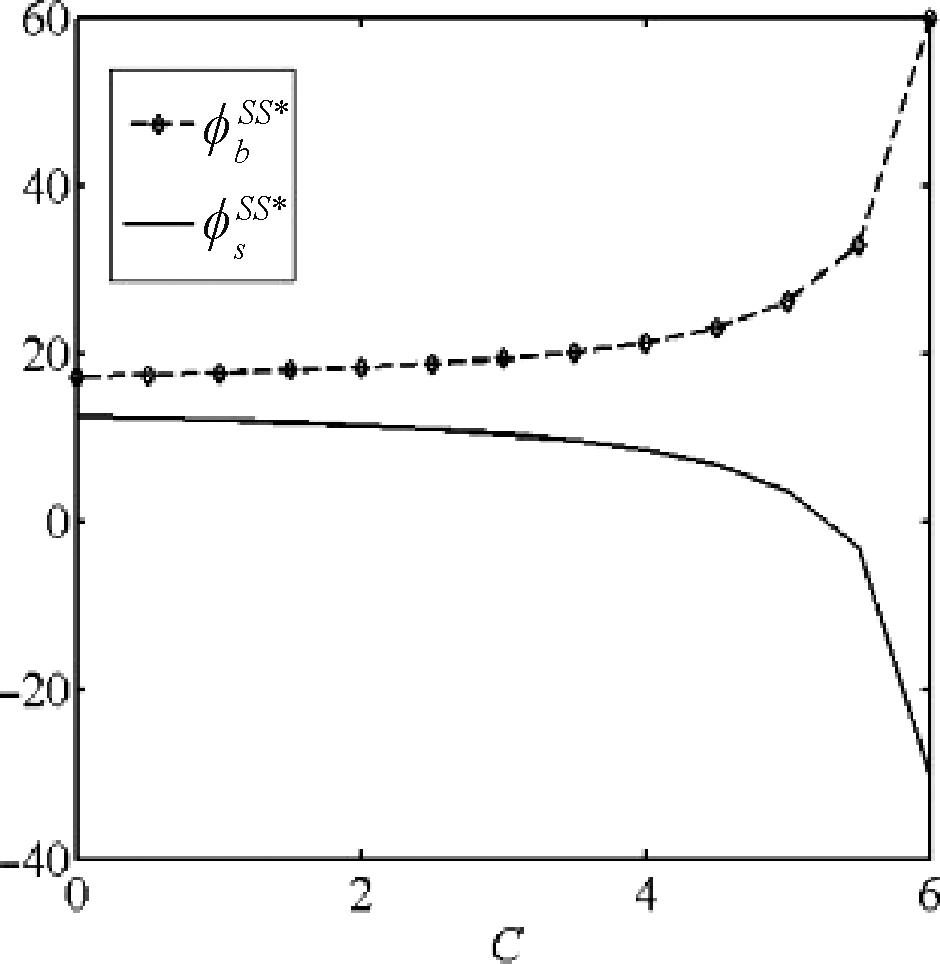
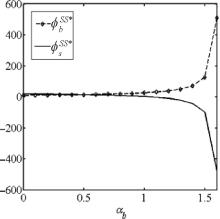
图3
定价随αb的变化"
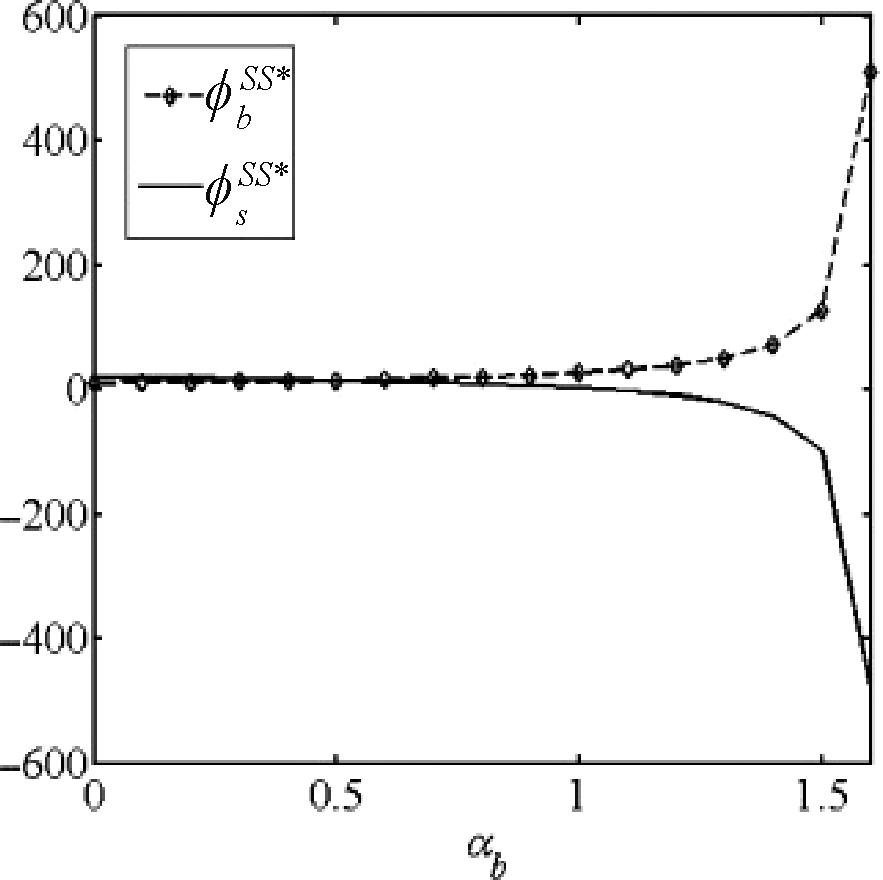
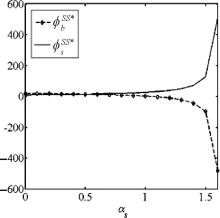
图4
定价随αs的变化"
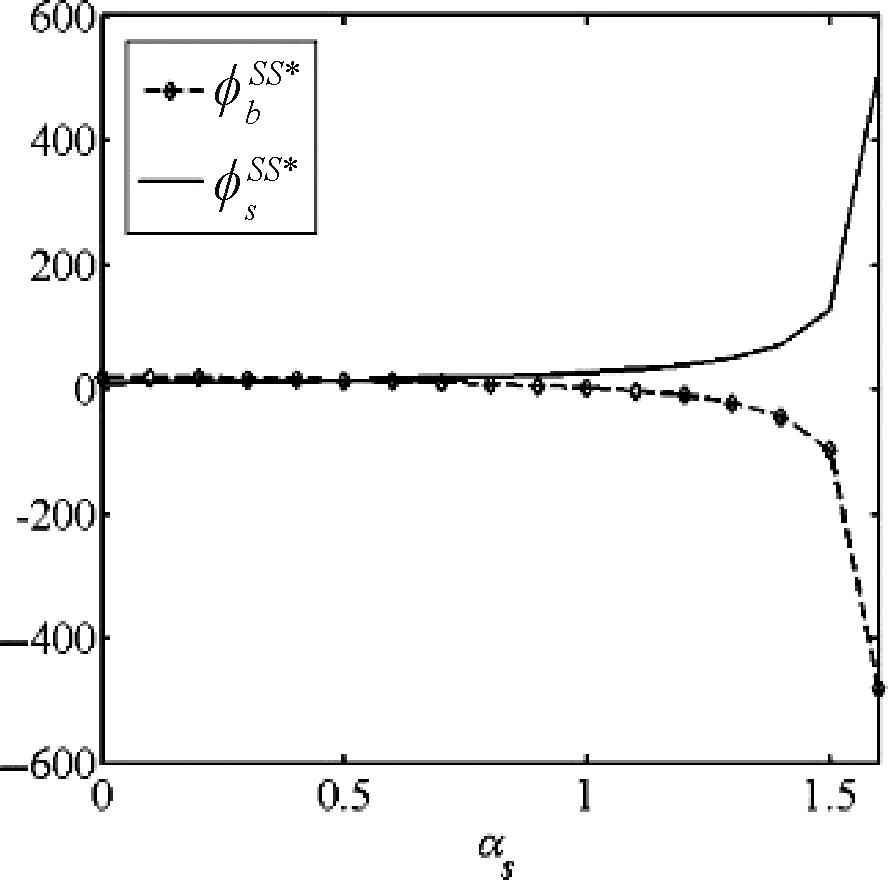
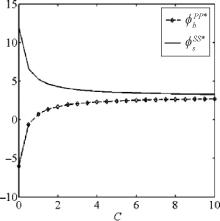
图5
定价随C的变化"
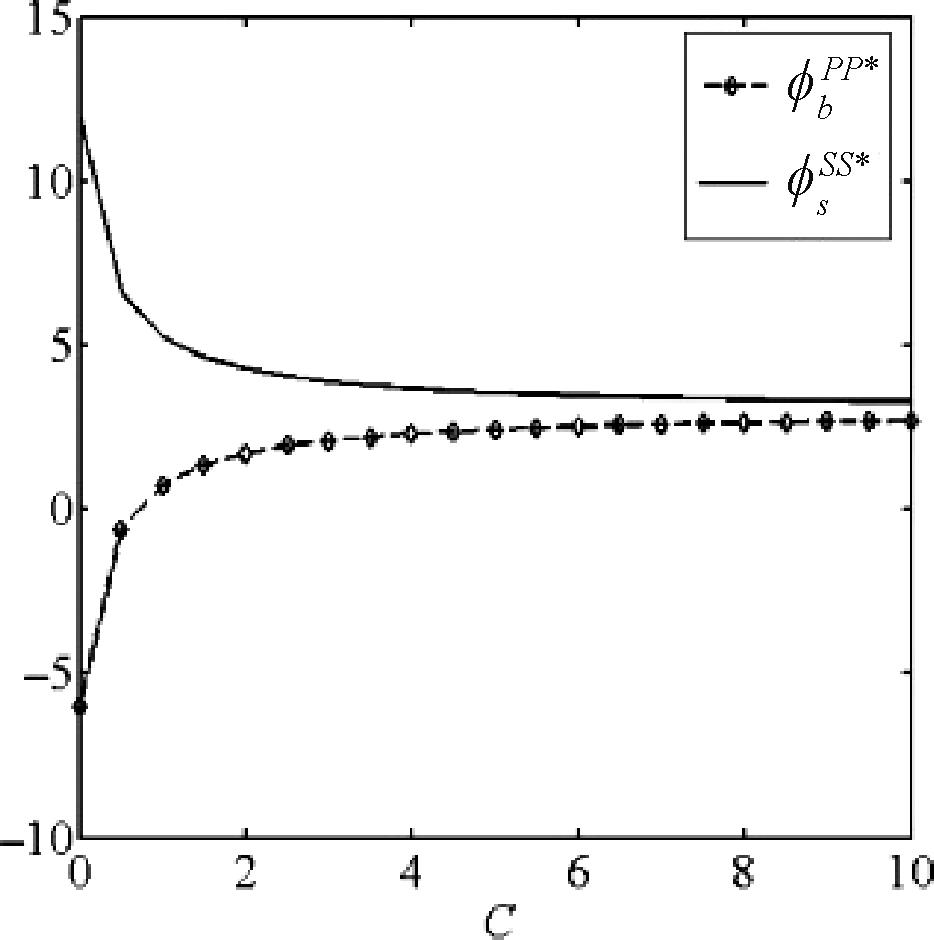
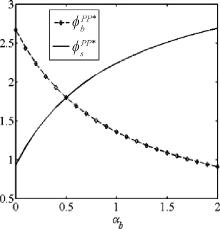
图6
定价随αb的变化"
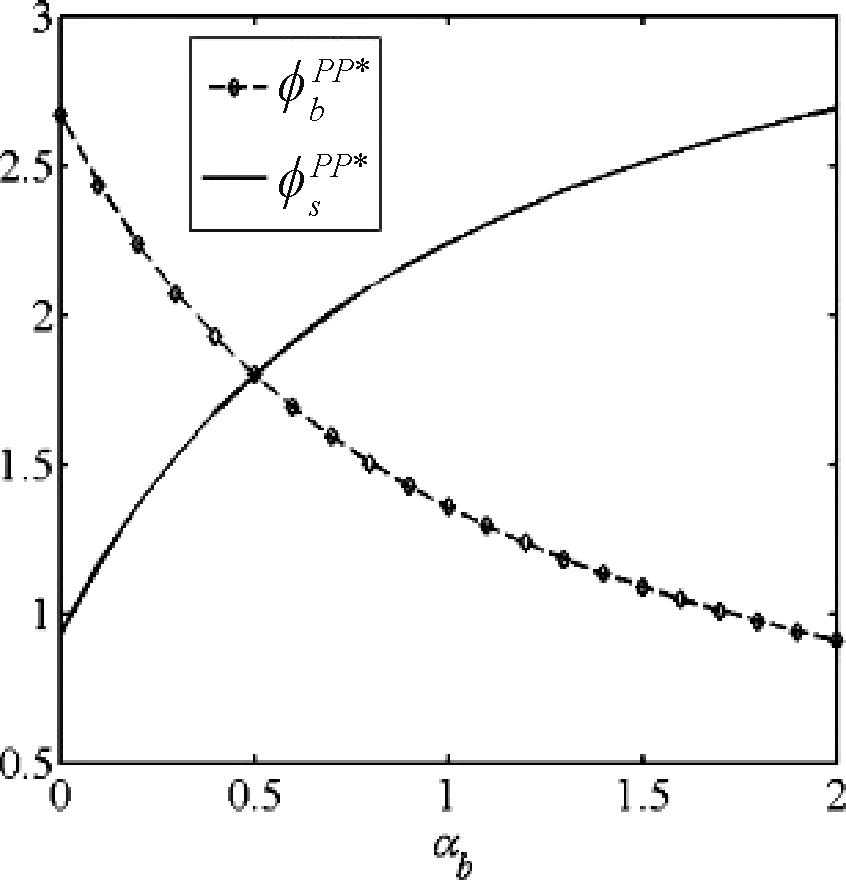
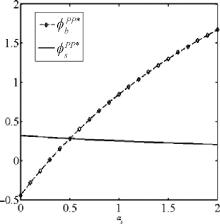
图7
定价随αs的变化"
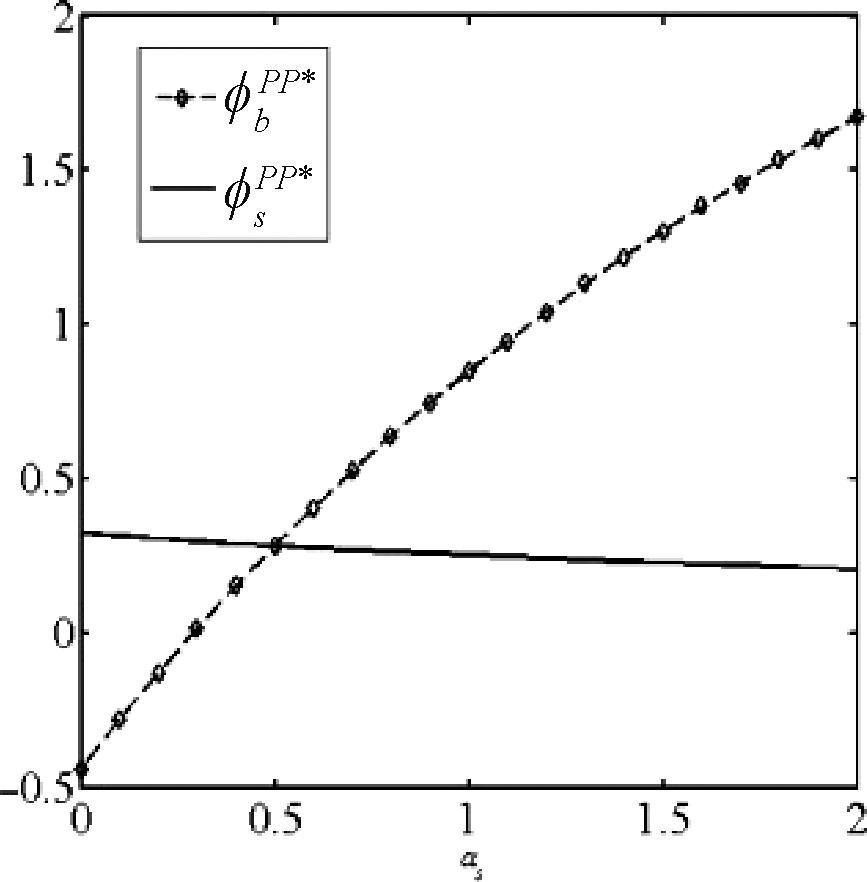
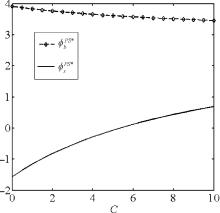
图8
定价随C的变化"
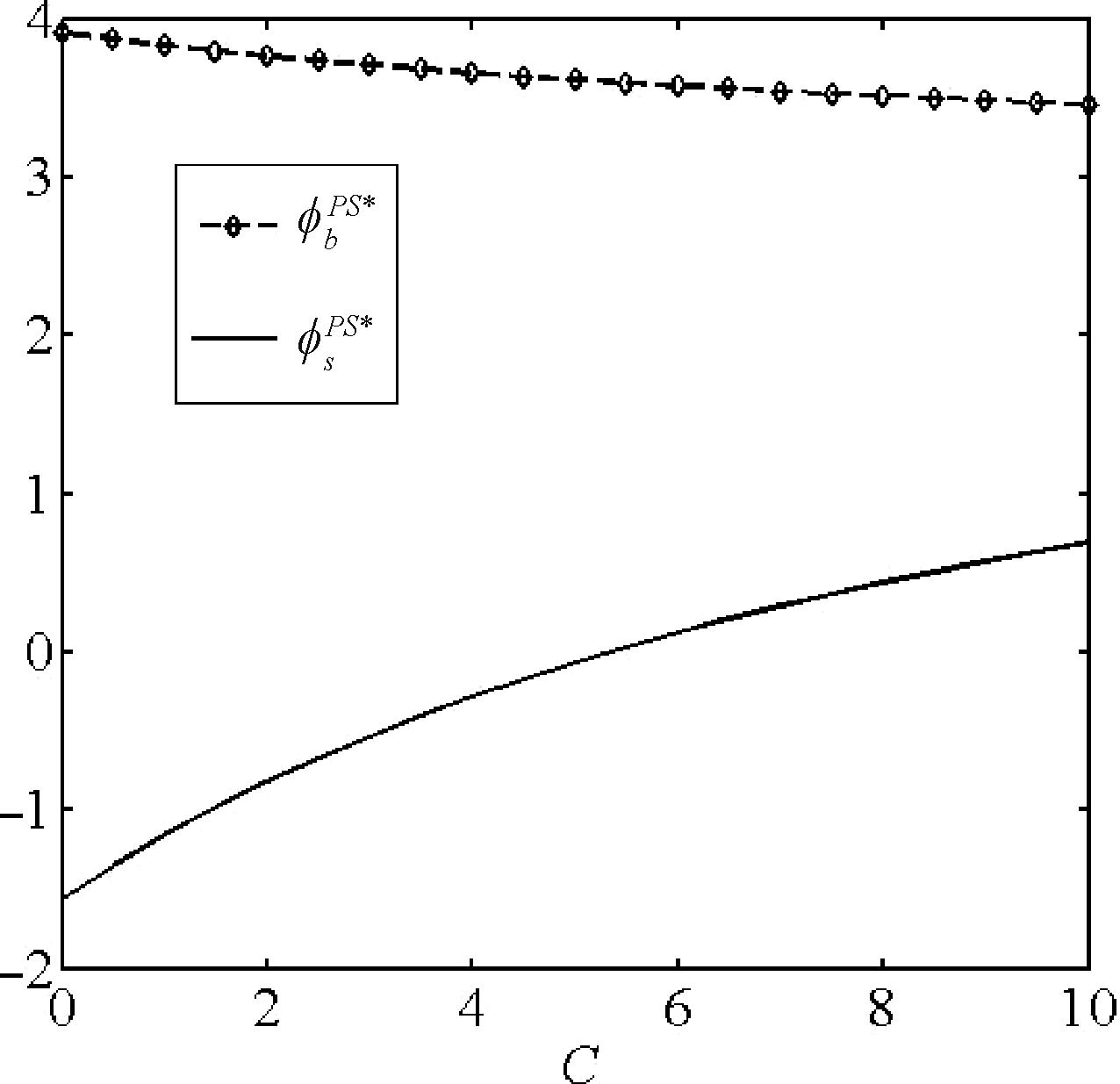
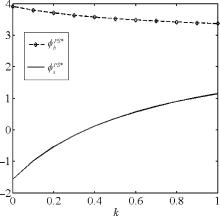
图9
定价随k的变化"
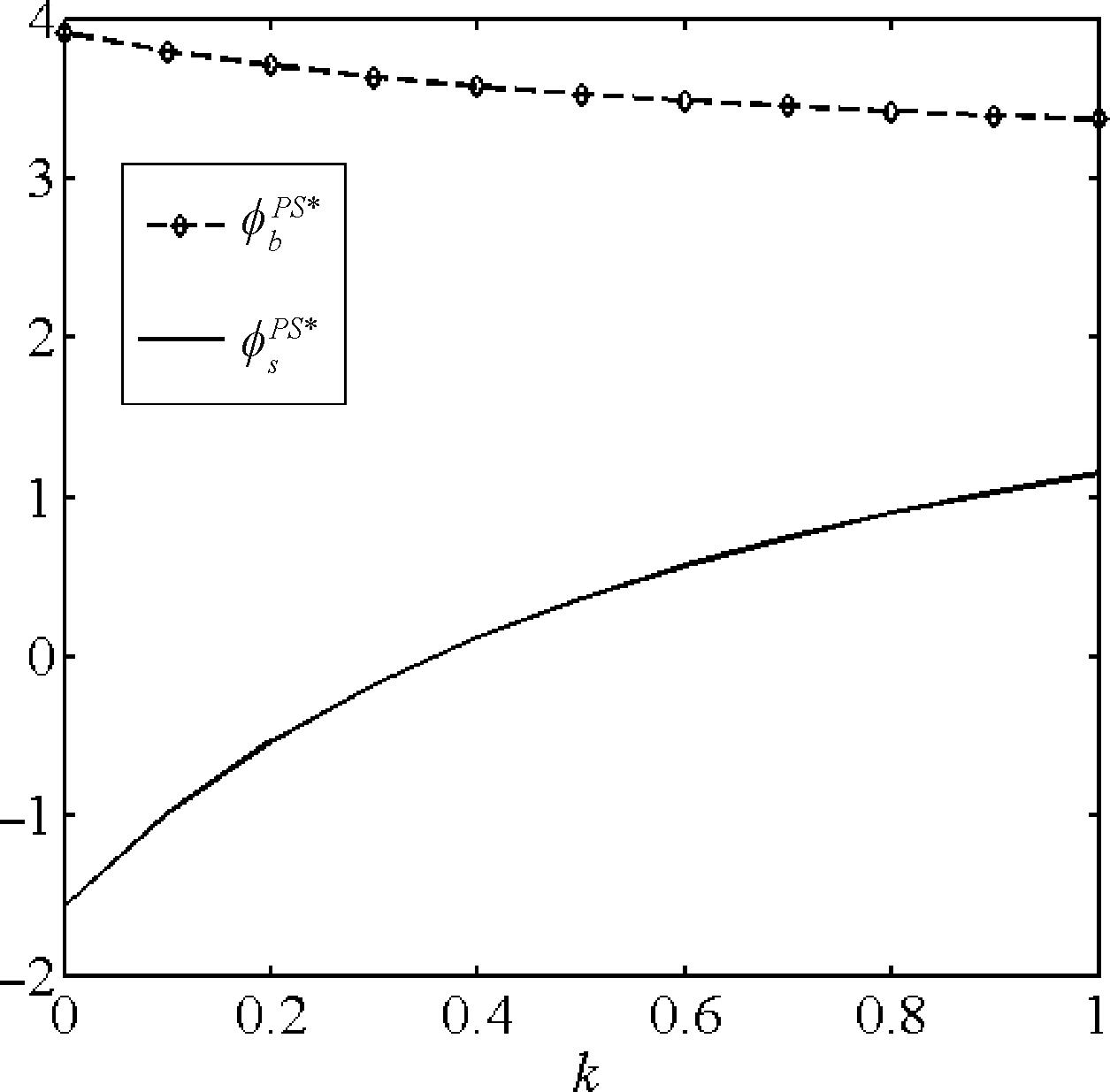
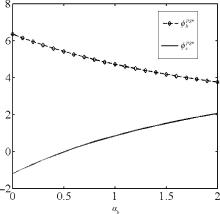
图10
定价随αb的变化"
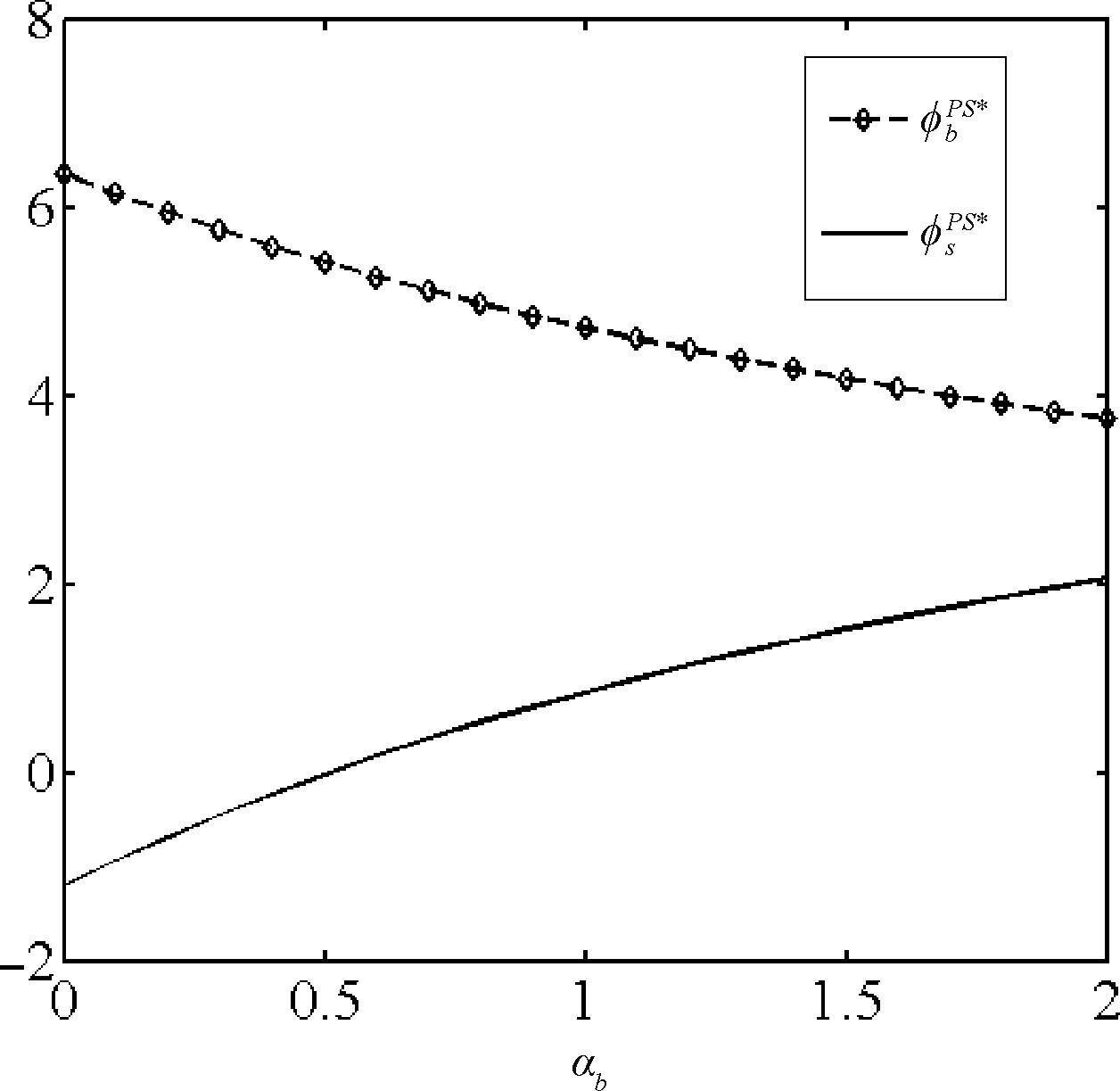
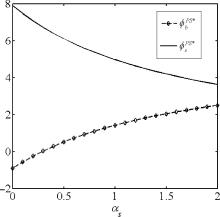
图11
定价随αs的变化"
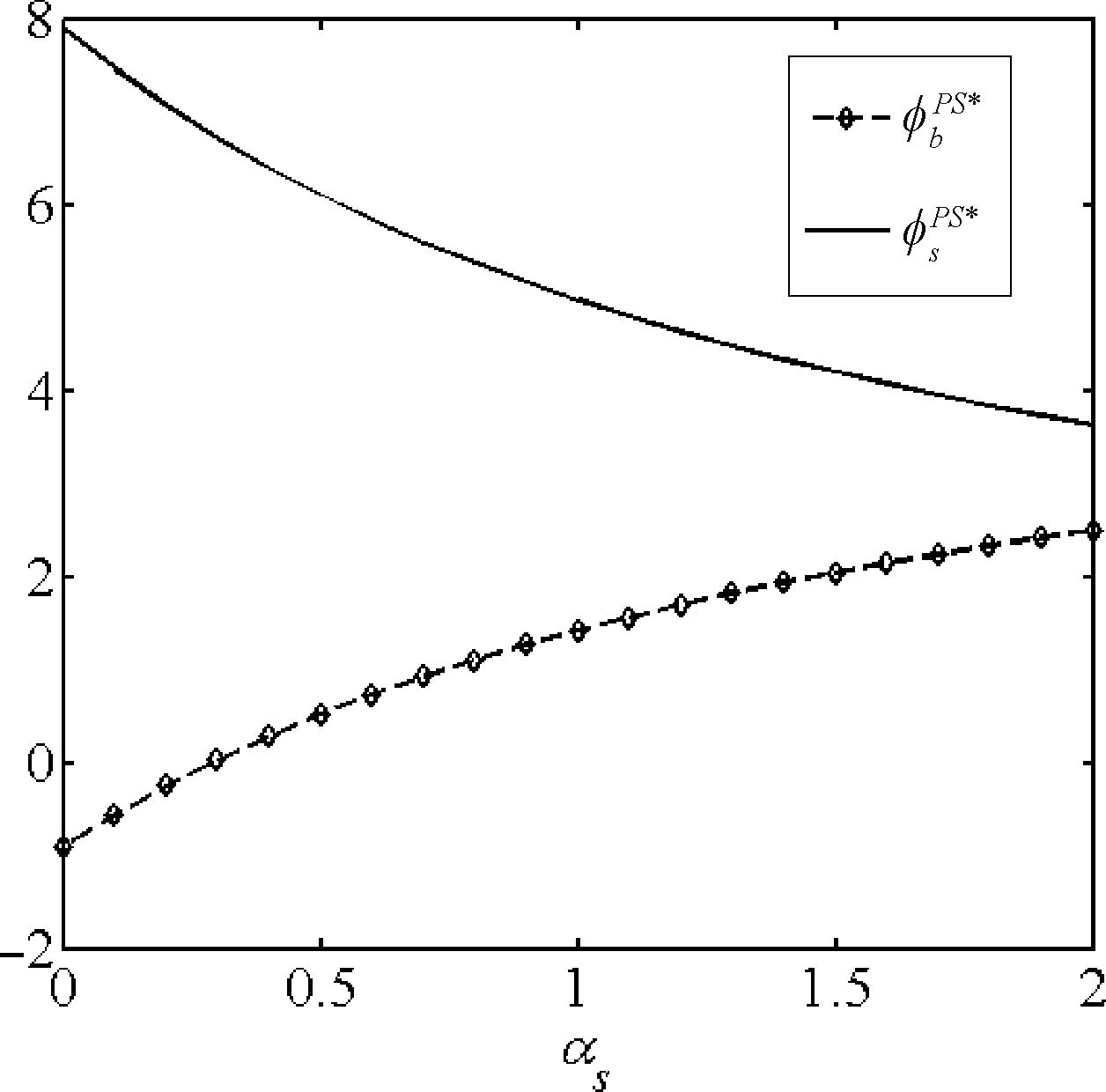
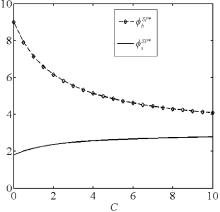
图12
定价随C的变化"
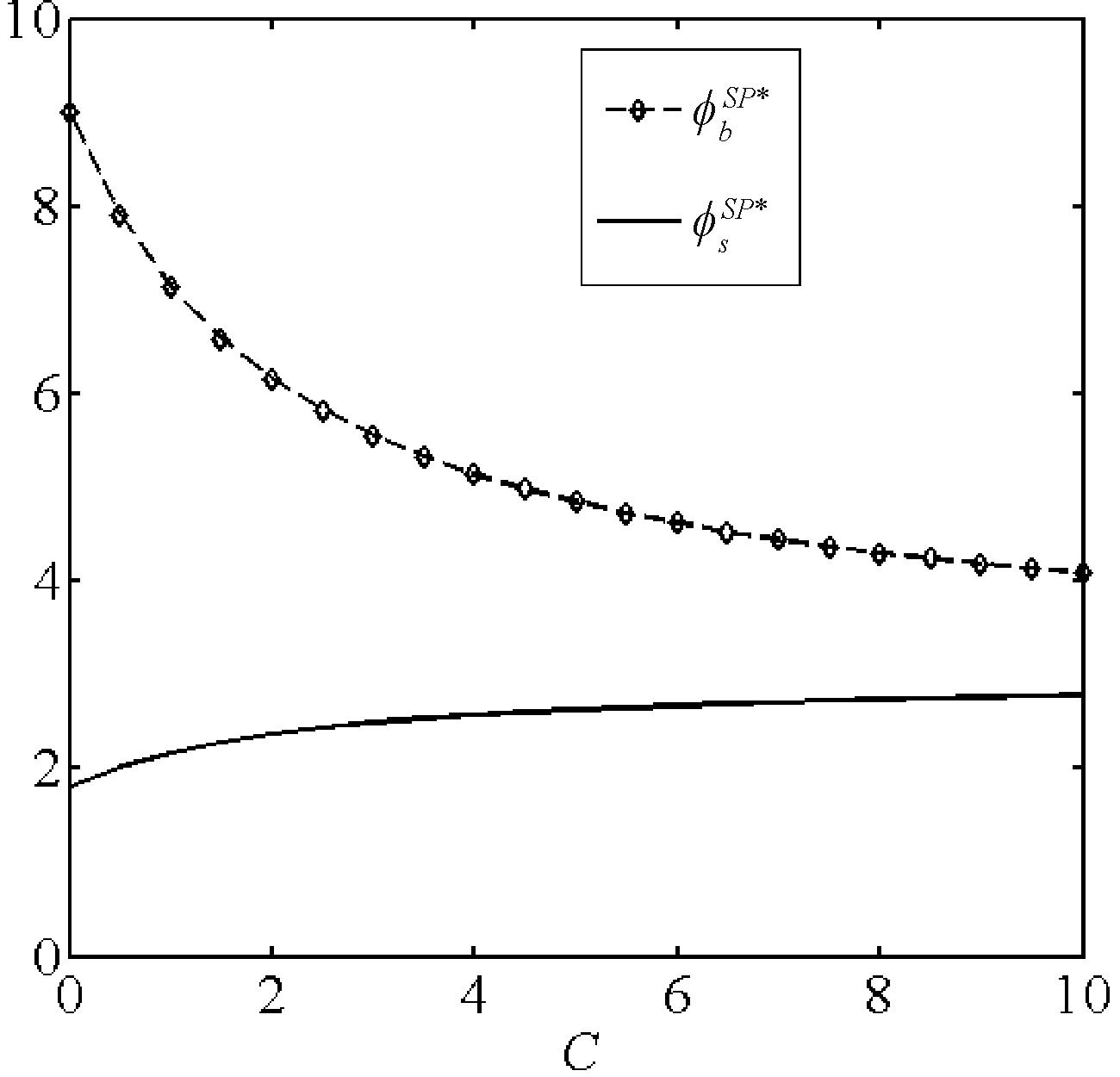
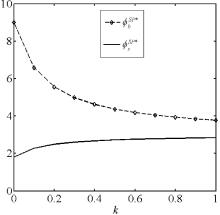
图13
定价随k的变化"
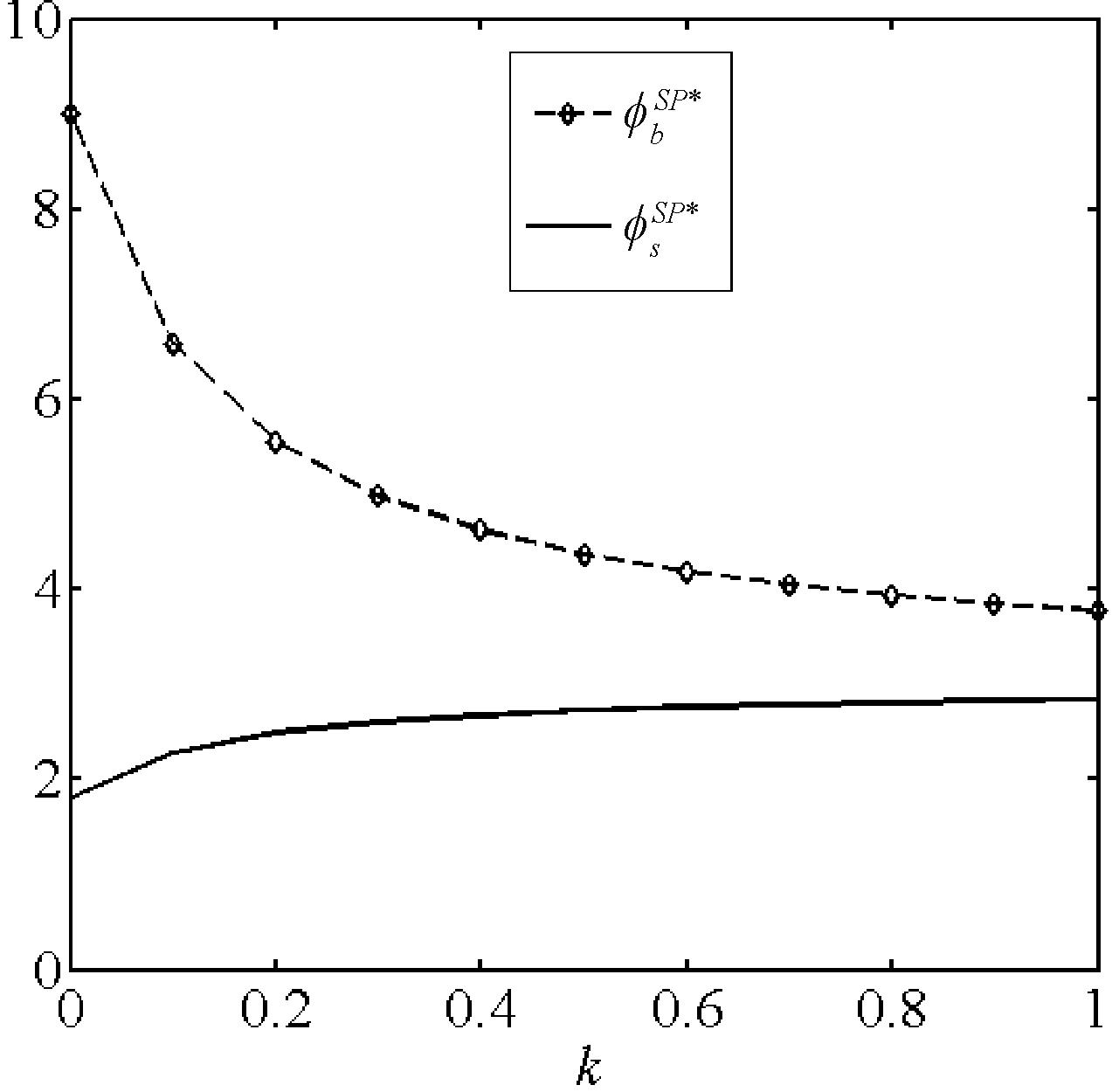
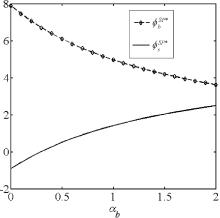
图14
定价随αb的变化"
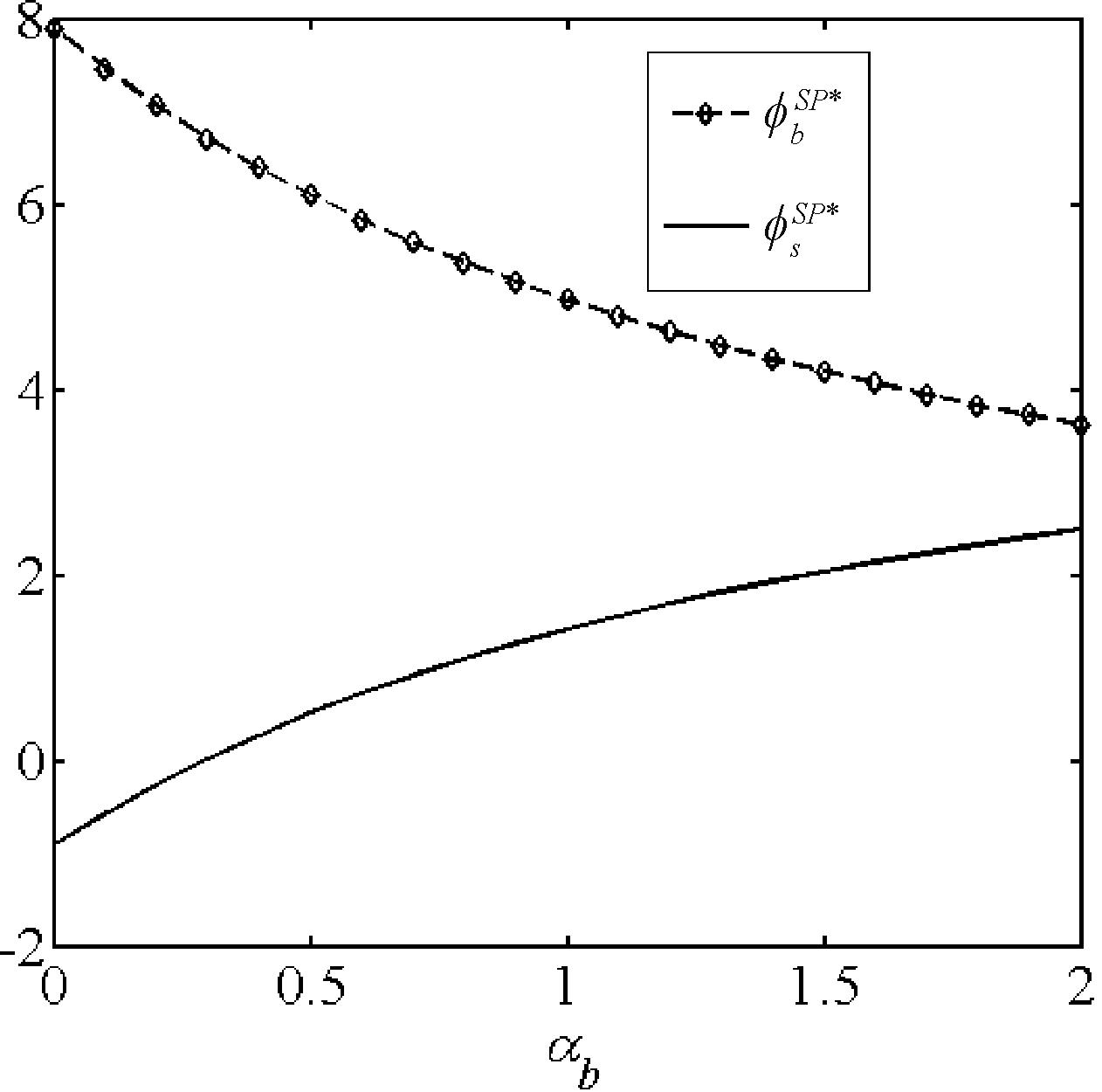
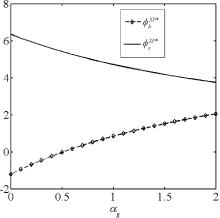
图15
定价随αs的变化"
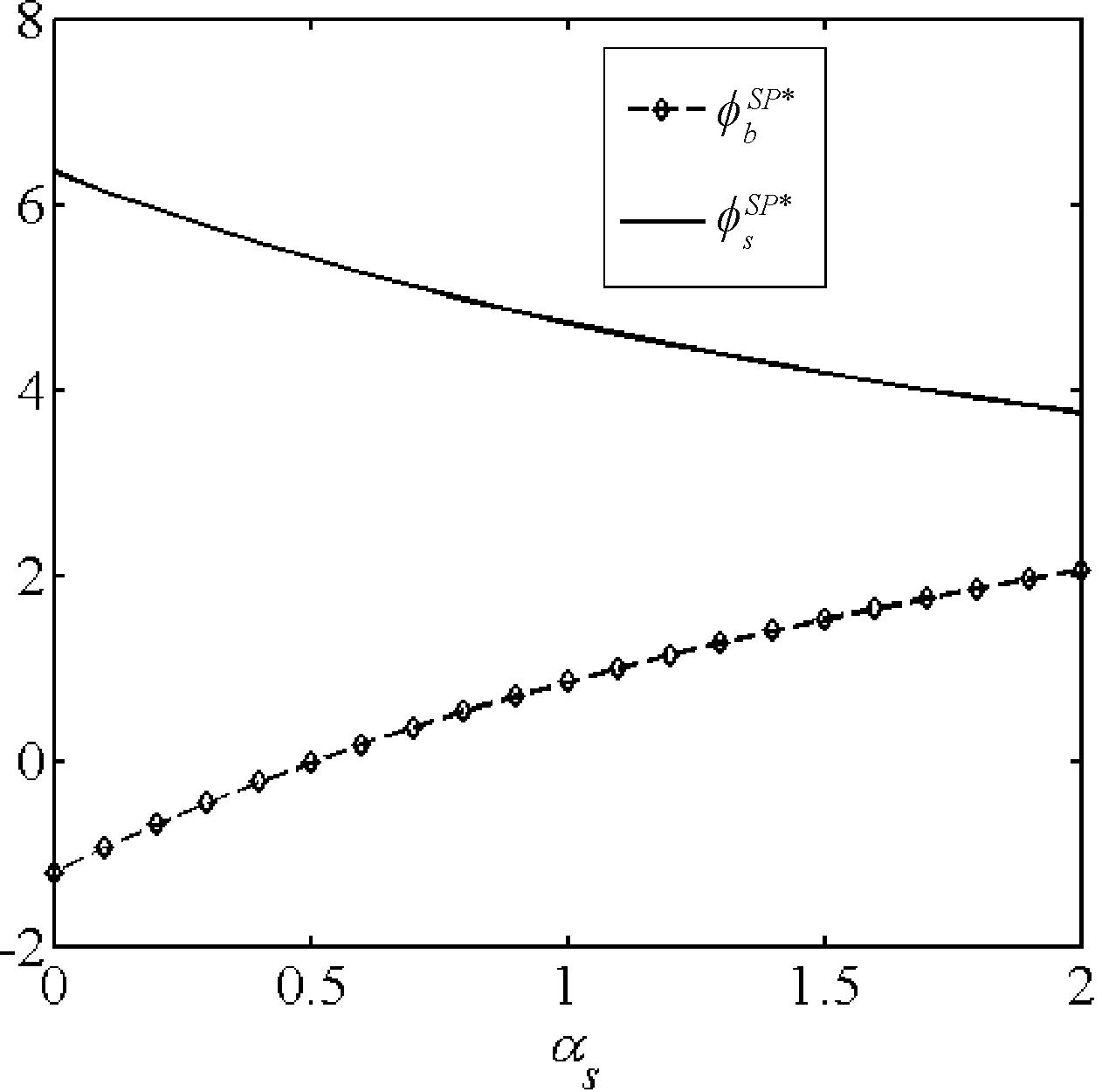
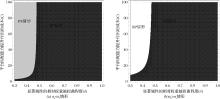
图16
不同情形下的平台利润变化"

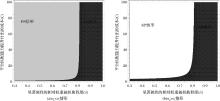
图17
不同情形下的平台利润变化"
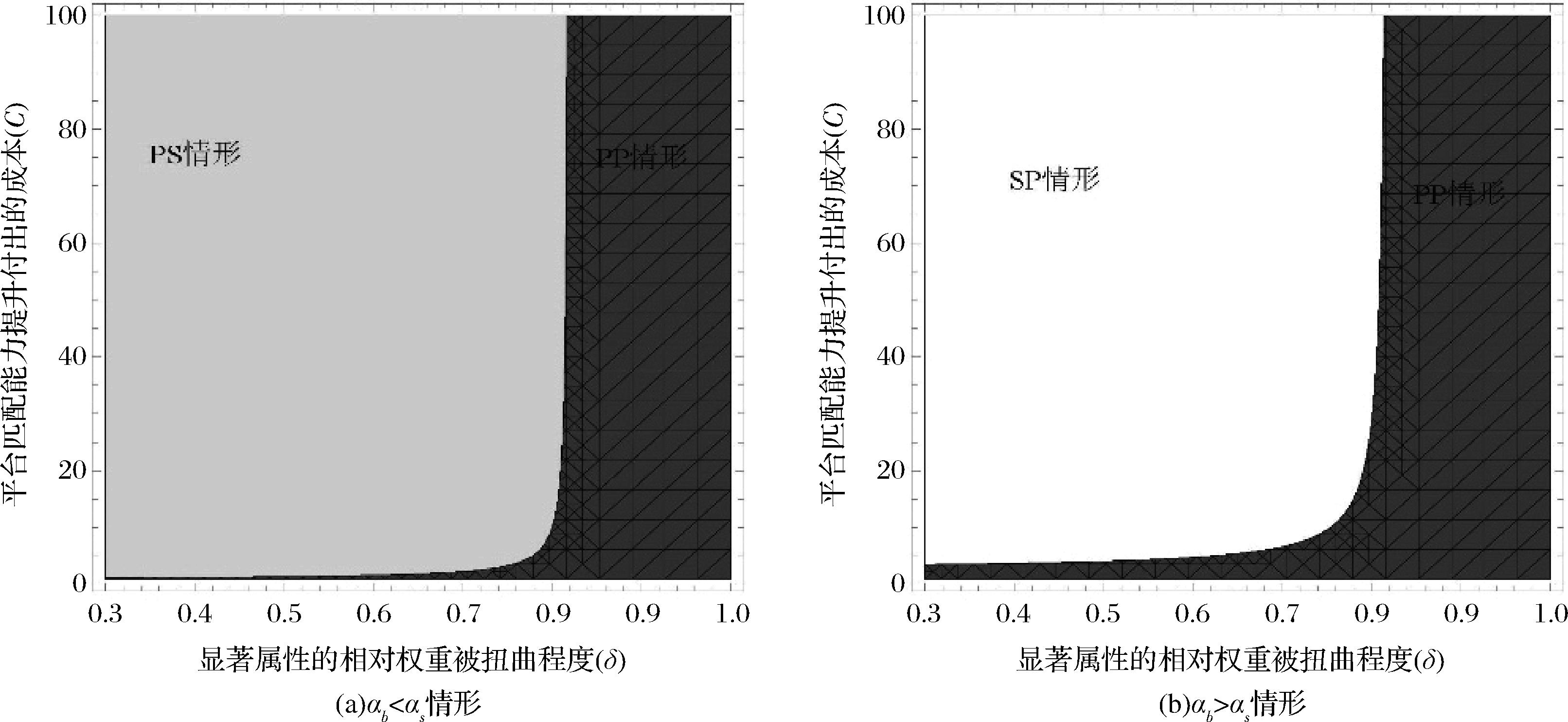
图18
不同情形下的乘客剩余和司机剩余变化"

图19
不同情形下的社会福利变化"

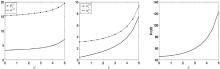
图20
SS情形下C对定价、需求和利润的影响"
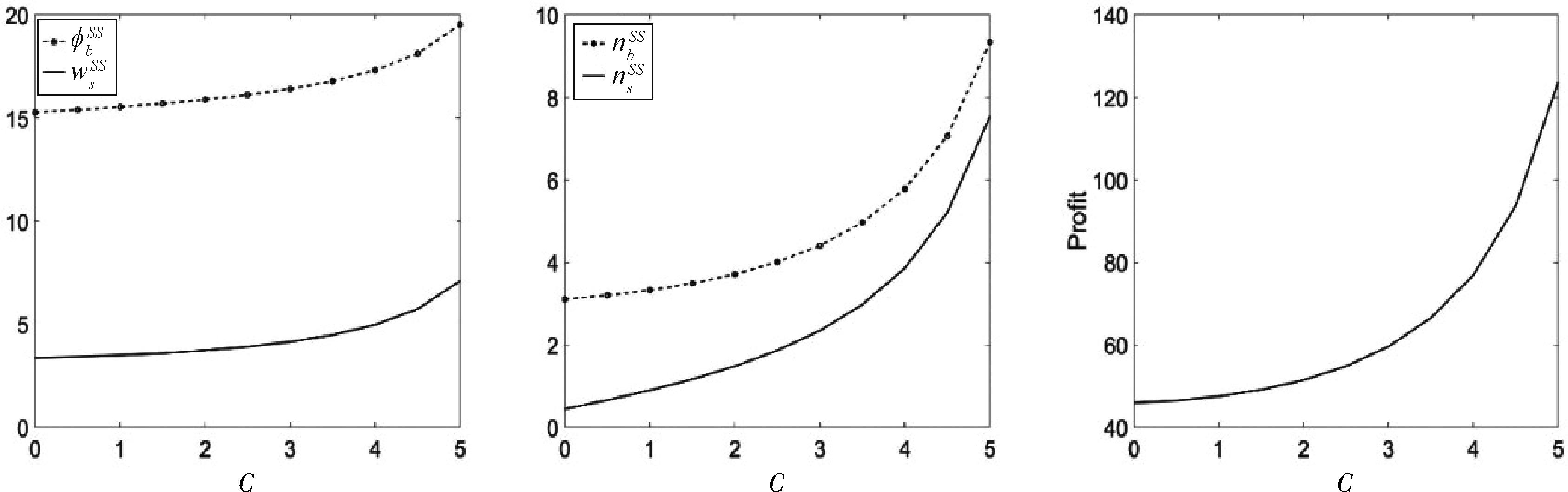
图21
SS情形下αb对定价、需求和利润的影响"
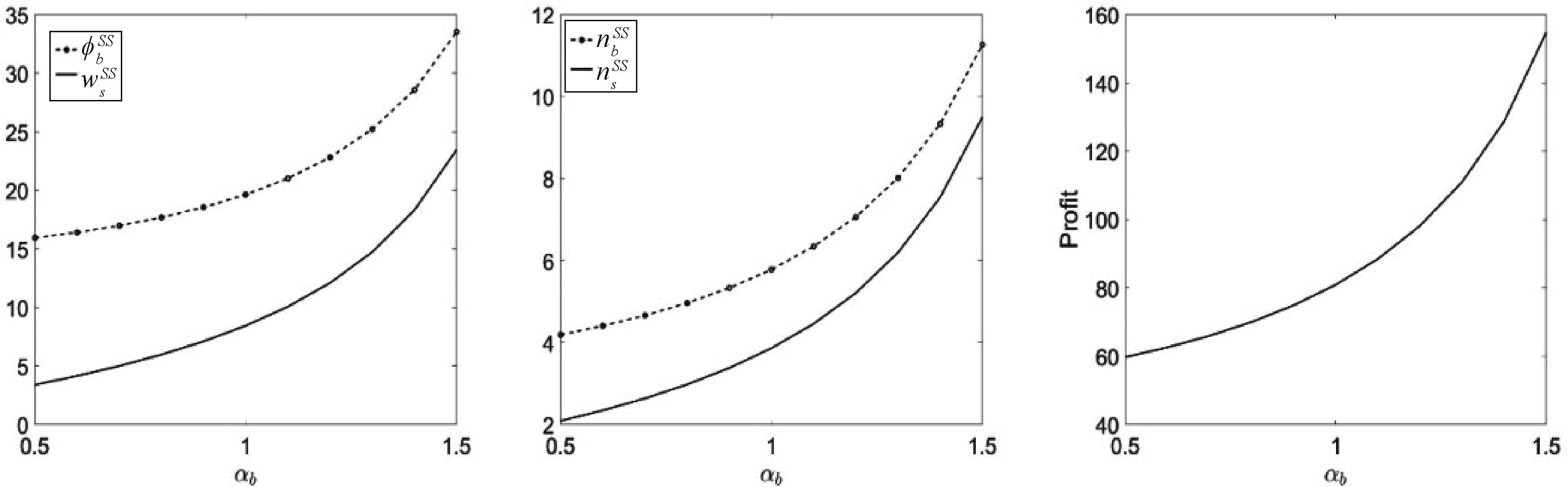
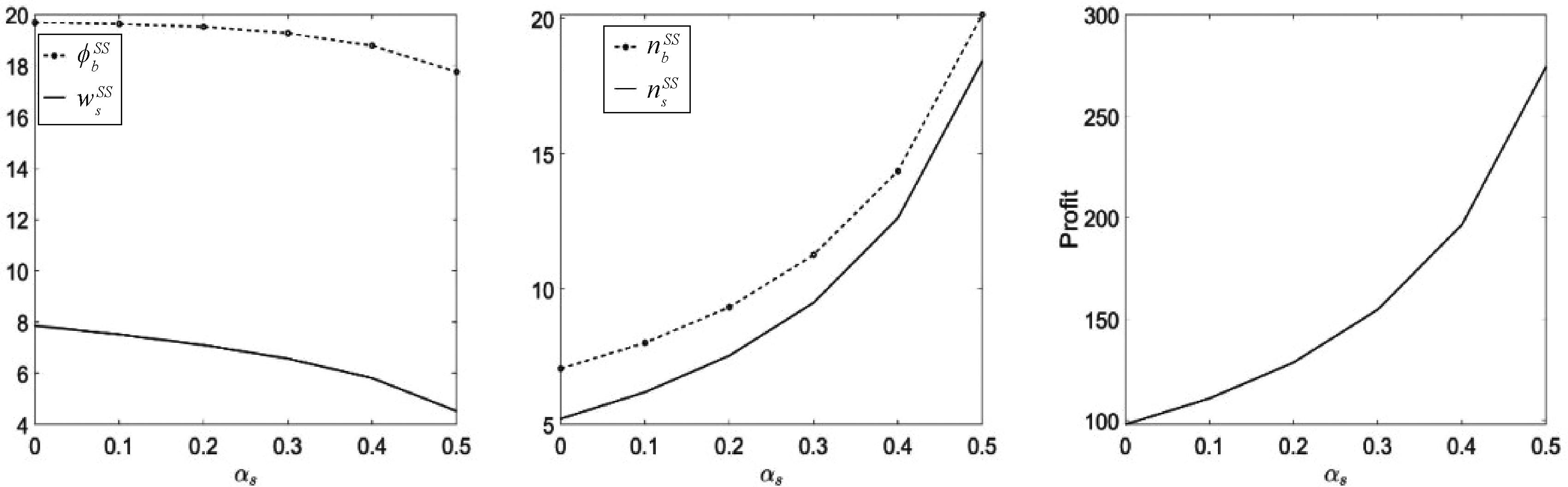
图22
SS情形下αs对定价、需求和利润的影响"
| [1] | 指针跃动科技. 截至 2023年3月全国网约车行业运行基本情况 [EB/OL]. (2023-04-20) [2023-06-15]. . |
| Pointer Pulse Technology. Basic situation of the operation of the national ride-hailing industry as of March 2023 [EB/OL]. (2023-04-20) [2023-06-15]. . | |
| [2] | 工人日报. 1亿元就业补贴,提供10万个灵活就业岗位 [EB/OL]. (2023-02-24) [2023-06-15]. . |
| Daily Workers'. 100 million yuan employment subsidy, providing 100000 flexible employment positions [EB/OL]. (2023-02-24) [2023-06-15]. . | |
| [3] | 腾点正能量. 我国网约车司机突破500万 过去一年新增114万[EB/OL]. (2023-01-12) [2023-06-15]. . |
| Spread Positive Energy. China's ride-hailing drivers exceed 5 million, with an increase of 1.14 million in the past year [EB/OL].(2023-01-12) [2023-06-15]. . | |
| [4] | 听女司机说网约车. 全国有1亿人注册了网约车,每天新增2万人,网约车行业真的赚钱吗 [EB/OL]. (2023-07-23) [2023-07-31]. . |
| Hear from Female Ride-hailing Drivers. 100 million people nationwide have registered for ride-hailing services, with 20000 new users added every day. Is the ride hailing industry really making money [EB/OL]. (2023-07-23) [2023-07-31]. . | |
| [5] | Armstrong M. Competition in two-sided markets[J]. The RAND Journal of Economics, 2006, 37(3): 668-691. |
| [6] | Rochet J C, Tirole J. Two-sided markets: A progress report[J]. The RAND Journal of Economics, 2006, 37(3): 645-667. |
| [7] | 网约车天下事. 网约车现状:租赁公司没有车,司机接不到单,乘客打不到车 [EB/OL]. (2022-10-02) [2023-06-15]. . |
| Global Ride-Hailing Affairs. Current situation of ride-hailing services: Rental companies do not have cars, drivers cannot receive orders, and passengers cannot hail a ride [EB/OL]. (2022-10-02) [2023-06-15]. . | |
| [8] | 红网. 网约车平台通过合理的价格撮合司机和乘客交易,实现供需匹配 [EB/OL]. (2023-02-23) [2023-06-15]. . |
| Rednet.cn. Online ride-hailing platforms match drivers and passengers through reasonable prices to achieve supply-demand matching [EB/OL]. (2023-02-23) [2023-06-15]. . | |
| [9] | 念念家. 打车更省心!快来试试网约车的自动匹配功能吧![EB/OL]. (2022-05-09) [2023-06-15]. . |
| Niannianjia.com. Taking a taxi is more worry free! Come and try the automatic matching function of ride hailing![EB/OL]. (2022-05-09) [2023-06-15]. . | |
| [10] | 卢珂, 周晶, 林小围. 考虑交叉网络外部性的网约车平台市场定价研究[J]. 运筹与管理, 2019, 28(7): 169-178. |
| Lu K, Zhou J, Lin X W. Pricing research of ride-hailing platform: From the view of inter-group network externality[J]. Operations Research and Management Science, 2019, 28(7): 169-178. | |
| [11] | 孙中苗, 徐琪. 随机需求下考虑不同竞争情形的网约车平台动态定价[J]. 中国管理科学, 2021, 29(1): 138-148. |
| Sun Z M, Xu Q. Dynamic pricing for ride-hailing platforms with different competition conditions under stochastic demand[J]. Chinese Journal of Management Science, 2021, 29(1): 138-148. | |
| [12] | 孙中苗, 徐琪. 不同价格模式下考虑需求波动性和差异化服务的网约车平台定价决策[J]. 运筹与管理, 2022, 31(1): 52-60. |
| Sun Z M, Xu Q. Pricing decisions of ride-hailing platform considering demand fluctuation and differentiated service under different price modes[J]. Operations Research and Management Science, 2022, 31(1): 52-60. | |
| [13] | Wang X, He F, Yang H, et al. Pricing strategies for a taxi-hailing platform[J]. Transportation Research Part E: Logistics and Transportation Review, 2016, 93: 212-231. |
| [14] | 王家顺, 李枝勇, 窦润亮, 等. 竞争市场中网约车平台开放策略研究[J]. 系统工程理论与实践, 2022, 42(7): 1884-1899. |
| Wang J S, Li Z Y, Dou R L, et al. Opening strategies for ride-hailing platforms in competitive market[J]. Systems Engineering-Theory & Practice, 2022, 42(7): 1884-1899. | |
| [15] | 刘洋, 邓前前, 樊治平, 等. 网约车平台峰时补贴策略研究[J]. 中国管理科学, 2022, 30(7): 210-220. |
| Liu Y, Deng Q Q, Fan Z P, et al. Research on surge subsidy strategy of ride-hailing platform[J]. Chinese Journal of Management Science, 2022, 30(7): 210-220. | |
| [16] | He F, Wang X, Lin X, et al. Pricing and penalty/compensation strategies of a taxi-hailing platform[J]. Transportation Research Part C: Emerging Technologies, 2018, 86: 263-279. |
| [17] | Bernstein F, DeCroix G A, Keskin N B. Competition between two-sided platforms under demand and supply congestion effects[J]. Manufacturing & Service Operations Management, 2021, 23(5): 1043-1061. |
| [18] | Feng Y, Niazadeh R, Saberi A. Two-stage stochastic matching and pricing with applications to ride hailing[J]. Operations Research, 2023, 72(4): 1574-1594. |
| [19] | Sun L, Teunter R H, Babai M Z, et al. Optimal pricing for ride-sourcing platforms[J]. European Journal of Operational Research, 2019, 278(3): 783-795. |
| [20] | Zha L, Yin Y, Du Y. Surge pricing and labor supply in the ride-sourcing market[J]. Transportation Research Procedia, 2017, 23: 2-21. |
| [21] | 张钰浩, 闫慧. 出租车司机网约车APP采纳后行为研究[J]. 图书情报工作, 2021, 65(18): 117-124. |
| Zhang Y H, Yan H. Study on the behavior of taxi Drivers’Post-adoption of online ride-hailing APP[J]. Library and Information Service, 2021, 65(18): 117-124. | |
| [22] | 周乐欣, 徐海平, 李烨. 因特网约车平台双边报价交易机制创新及策略研究[J]. 中国管理科学, 2020, 28(3): 201-212. |
| Zhou L X, Xu H P, Li Y. A bilateral bidding mechanism for cloud-based on-demand transport services[J]. Chinese Journal of Management Science, 2020, 28(3): 201-212. | |
| [23] | 赵道致, 杨洁. 考虑公平目标的网约车服务价格管制策略[J]. 控制与决策, 2019, 34(5): 1060-1068. |
| Zhao D Z, Yang J. Price regulation strategy of online car-hailing service targeted at fairness[J]. Control and Decision, 2019, 34(5): 1060-1068. | |
| [24] | Yang Z, Peterson R T. Customer perceived value, satisfaction, and loyalty: The role of switching costs[J]. Psychology & Marketing, 2004, 21(10): 799-822. |
| [25] | 郭敏, 李肖楠. 考虑乘客取消订单的网约车平台定价策略[J]. 运筹与管理, 2022, 31(1): 149-154. |
| Guo M, Li X N. Pricing strategies for online car-hailing platforms with order cancellations[J]. Operations Research and Management Science, 2022, 31(1): 149-154. | |
| [26] | Zhou Y, Ke J, Yang H, et al. Platform integration in ride-sourcing markets with heterogeneous customers[J/OL].SSRN Electronic Journal, Available at SSRN:. |
| [27] | Shi J, Li X, Aneja Y P, et al. Ride-matching for the ride-hailing platform with heterogeneous drivers[J]. Transport Policy, 2023, 136: 169-192. |
| [28] | Hu B, Hu M, Zhu H. Surge pricing and two-sided temporal responses in ride hailing[J]. Manufacturing & Service Operations Management,2022,24(1): 91-109. |
| [29] | 于天翔, 李文翔, 张玉梁, 等. 低碳导向的网约车合乘动态匹配算法研究[J]. 计算机应用研究, 2023, 40(8): 2346-2350+2366. |
| Yu T X, Li W X, Zhang Y L, et al. Dynamic matching algorithm for ridesplitting under low carbon target[J]. Application Research of Computers, 2023, 40(8): 2346-2350+2366. | |
| [30] | Yan C, Zhu H, Korolko N, et al. Dynamic pricing and matching in ride-hailing platforms[J]. Naval Research Logistics (NRL), 2020, 67(8): 705-724. |
| [31] | Chen M, Gong Y. Behavior-based pricing in on-demand service platforms with network effects[J]. IEEE Transactions on Engineering Management, 2024, 71: 4160-4174. |
| [32] | Zhong Y, Yang T, Cao B, et al. On-demand ride-hailing platforms in competition with the taxi industry: Pricing strategies and government supervision[J]. International Journal of Production Economics, 2022, 243: 108301. |
| [33] | 潘小军. 基于消费者显著性偏好的双边平台转换成本和定价策略研究[J]. 中国管理科学, 2021, 29(11): 45-54. |
| Pan X J. Switching cost and pricing strategy of two-sided platform based on consumers’ salience preference[J]. Chinese Journal of Management Science, 2021, 29(11): 45-54. | |
| [34] | Tan B, Anderson E G, Parker G G. Platform pricing and investment to drive third-party value creation in two-sided networks[J].Information Systems Research, 2020, 31(1): 217-239. |
| [35] | Li J, Zhang Y, Zhang K. The interactive impact of demand sharing effect and reduced misfit effect on application compatibility[J]. IEEE Transactions on Engineering Management, 2023, 70(12): 4094-4109. |
| [36] | Li J, Huang H, Li L, et al. Bilateral pricing of ride-hailing platforms considering cross-group network effect and congestion effect[J]. Journal of Theoretical and Applied Electronic Commerce Research, 2023, 18(4): 1721-1740. |
| [37] | Bordalo P, Gennaioli N, Shleifer A. Salience and consumer choice[J]. Journal of Political Economy, 2013, 121(5): 803-843. |
| [38] | Tang Y, Guo P, Tang C S, et al. Gender-related operational issues arising from on-demand ride-hailing platforms: Safety concerns and system configuration[J]. Production and Operations Management, 2021, 30(10): 3481-3496. |
| [39] | Yu J J, Tang C S, Max Shen Z J, et al. A balancing act of regulating on-demand ride services[J]. Management Science, 2020 66(7): 2975-2992. |
| [40] | Siddiq A, Taylor T A. Ride-hailing platforms: Competition and autonomous vehicles[J]. Manufacturing & Service Operations Management, 2022, 24(3): 1511-1528. |
| [1] | 张晓青, 苑希港, 陈佳佳, 魏强, 霍宝锋. 考虑消费者隐私顾虑的消费品以旧换新定价策略研究[J]. 中国管理科学, 2026, 34(6): 291-302. |
| [2] | 常建红, 宋鹏, 吴丽荣. 数据交易驱动下在线商家产品个性化定价研究[J]. 中国管理科学, 2026, 34(6): 36-49. |
| [3] | 李建斌, 于红洁, 陶智颖, 王启飞. 双积分政策下汽车企业最优贴标生产策略及协调机制研究[J]. 中国管理科学, 2026, 34(6): 117-132. |
| [4] | 姜依依, 胡晨, 肖勇波, 王淑纳. 考虑司机福利的网约车平台定价策略研究[J]. 中国管理科学, 2026, 34(6): 228-238. |
| [5] | 朱晓燕, 崔竞, 张婷, 曹云植. 考虑复诊患者异质性的线上线下综合医疗定价与报销比例优化[J]. 中国管理科学, 2026, 34(6): 239-249. |
| [6] | 张琳, 扈衷权, 田军. 多对一型应急物资供应链中的政府采购定价决策研究[J]. 中国管理科学, 2026, 34(5): 206-218. |
| [7] | 周天武, 黄朔. 考虑订阅服务的网约车平台定价研究[J]. 中国管理科学, 2026, 34(5): 219-230. |
| [8] | 张诗纯, 陈靖. 考虑客户多归属行为的双边视频平台独家版权决策分析[J]. 中国管理科学, 2026, 34(5): 256-271. |
| [9] | 徐杰, 胡文, 罗春林, 喻冬冬. 区块链技术赋能下考虑新能源汽车动力电池梯次利用的定价策略研究[J]. 中国管理科学, 2026, 34(5): 285-294. |
| [10] | 邹璧林, 吕晓慧, 张小洪. 考虑履单地点选择及渠道资源共享的全渠道零售商定价和履单联合优化问题研究[J]. 中国管理科学, 2026, 34(4): 178-191. |
| [11] | 吴鑫育, 尹学宝, 谢海滨, 马超群. 基于成分Realized EGARCH模型的期权定价研究[J]. 中国管理科学, 2026, 34(4): 22-33. |
| [12] | 王泽舟, 许启发, 蒋翠侠. 上市公司多层关系网络中混频信息交互与传播能够提升资产定价性能吗?——基于图神经网络的资产定价研究[J]. 中国管理科学, 2026, 34(4): 47-62. |
| [13] | 李昊, 晏妮娜, 卢继周, 黎建强. 基于下游竞争的在线评论引入策略研究[J]. 中国管理科学, 2026, 34(3): 104-113. |
| [14] | 赵川, 郭子扬, 王焜, 董康银. 社交电商中考虑有价市场信息的拼团规模与区别定价决策研究[J]. 中国管理科学, 2026, 34(3): 242-252. |
| [15] | 王玉燕, 高俊宏, 孙煜林, 崔莹. 基于“搭便车”引发需求转移和质量感知的双渠道供应链服务与定价研究[J]. 中国管理科学, 2026, 34(3): 253-262. |
| 阅读次数 | ||||||
|
全文 |
|
|||||
|
摘要 |
|
|||||
|
||
