
主管:中国科学院
主办:中国优选法统筹法与经济数学研究会
中国科学院科技战略咨询研究院
主办:中国优选法统筹法与经济数学研究会
中国科学院科技战略咨询研究院

中国管理科学 ›› 2026, Vol. 34 ›› Issue (4): 343-357.doi: 10.16381/j.cnki.issn1003-207x.2024.0151cstr: 32146.14.j.cnki.issn1003-207x.2024.0151
张玲红( ), 夏雨微, 朱立龙
收稿日期:2024-01-27
修回日期:2024-06-04
出版日期:2026-04-25
发布日期:2026-03-27
通讯作者:
张玲红
E-mail:zhanglinghong2005@126.com
基金资助:
Linghong Zhang(), Yuwei Xia, Lilong Zhu
Received:2024-01-27
Revised:2024-06-04
Online:2026-04-25
Published:2026-03-27
Contact:
Linghong Zhang
E-mail:zhanglinghong2005@126.com
摘要:
推广使用电动汽车是实现汽车产业“双碳”目标的主要途径,然而,充电不便利是阻碍消费者购买电动汽车的主要因素。考虑充电桩数量对电动汽车需求的影响,以电动汽车目标市场占有率为约束,将充电站建设方分为两类——政府和第三方,同时,加入两类政府补贴——电动汽车购买补贴与充电站建设补贴,利用Stackelberg博弈模型,给出了不同充电站建设主体的最优充电站建设数量与车企的电动汽车价格。接着,比较不同政府补贴对充电站建设数量与电动汽车销量的影响。最后,结合现实数值模拟,给出了电动汽车销售、充电站建设与政府补贴的相关建议。研究结果表明:政府和第三方建设的充电桩数量与电动汽车销售目标及消费者对充电站数量的敏感性密切相关。在电动汽车销售初期,政府应该同时建设充电站并且实施补贴;随着电动汽车销量的增加,政府可停止消费补贴,继续参与建设并补贴充电站,进一步可退出充电站补贴,最后完全退出充电站建设。
中图分类号:
张玲红,夏雨微,朱立龙. 考虑电动汽车销售目标的最优充电站数量与政府补贴决策研究[J]. 中国管理科学, 2026, 34(4): 343-357.
Linghong Zhang,Yuwei Xia,Lilong Zhu. The Optimal Number of the Charging Station and Government Subsidies Considering the Electric Vehicle's Adoption Target[J]. Chinese Journal of Management Science, 2026, 34(4): 343-357.
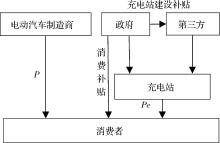
图1
研究思路"
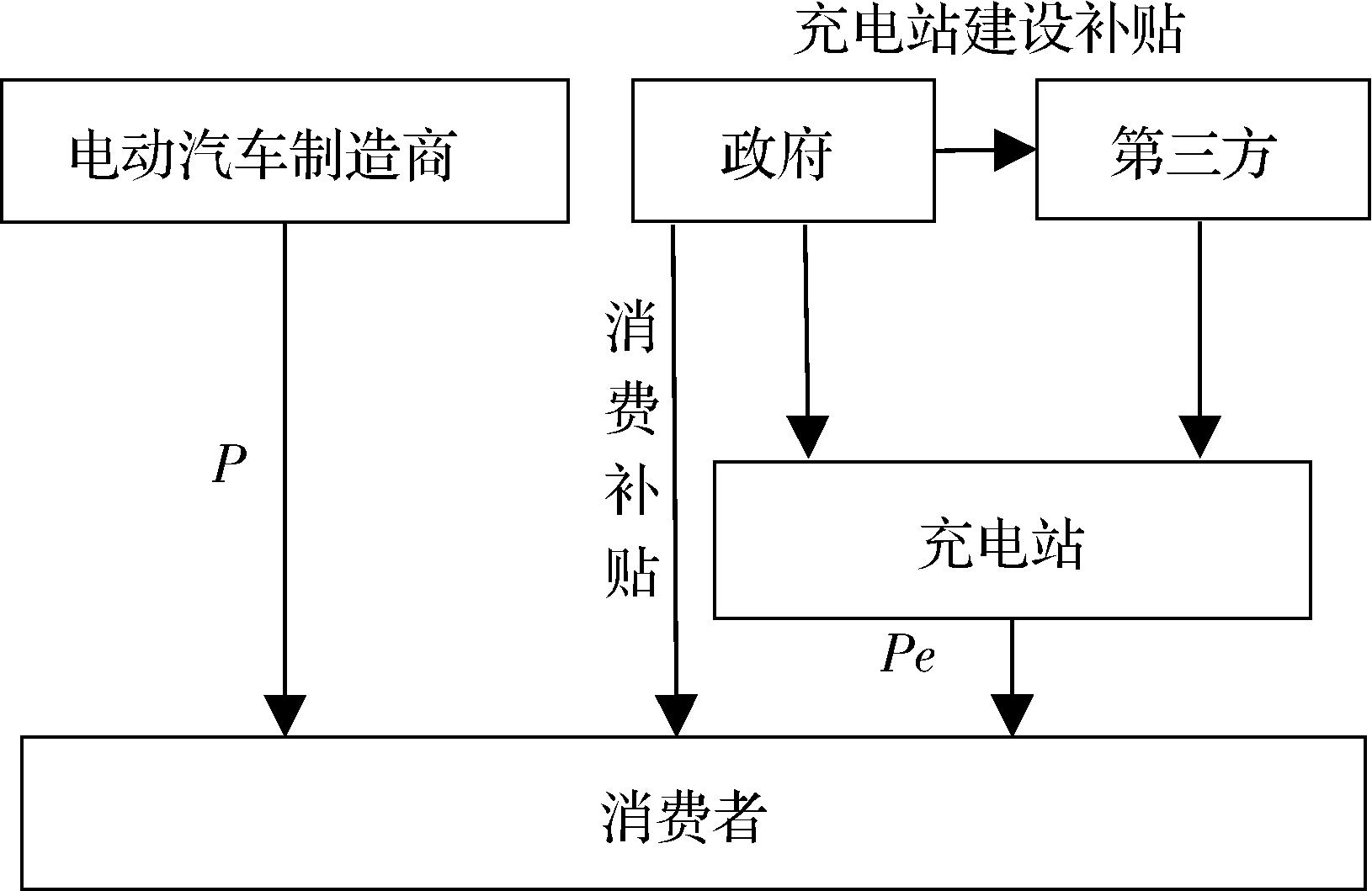

表1
模型参数和决策变量"
| 参数 | 描述 | 参数 | 描述 |
|---|---|---|---|
| 市场容量 | 充电站建设成本系数 | ||
| 电动汽车需求对充电站数量的敏感度 | 单位电动汽车的充电需求 | ||
| 第三方建设的充电站充电量的需求占比( | 电动汽车需求对电动汽车价格的敏感度 | ||
| 电动汽车销售目标 | 充电价格(元/度) | ||
| 情形 | 情形 | ||
| 决策变量 | |||
| 情形 | 情形 | ||
| 情形 | 情形 | ||
| 情形 |
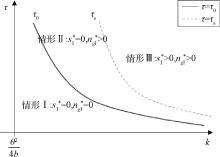
图2
实现电动汽车采用的最优政府决策ng1*,s1*"
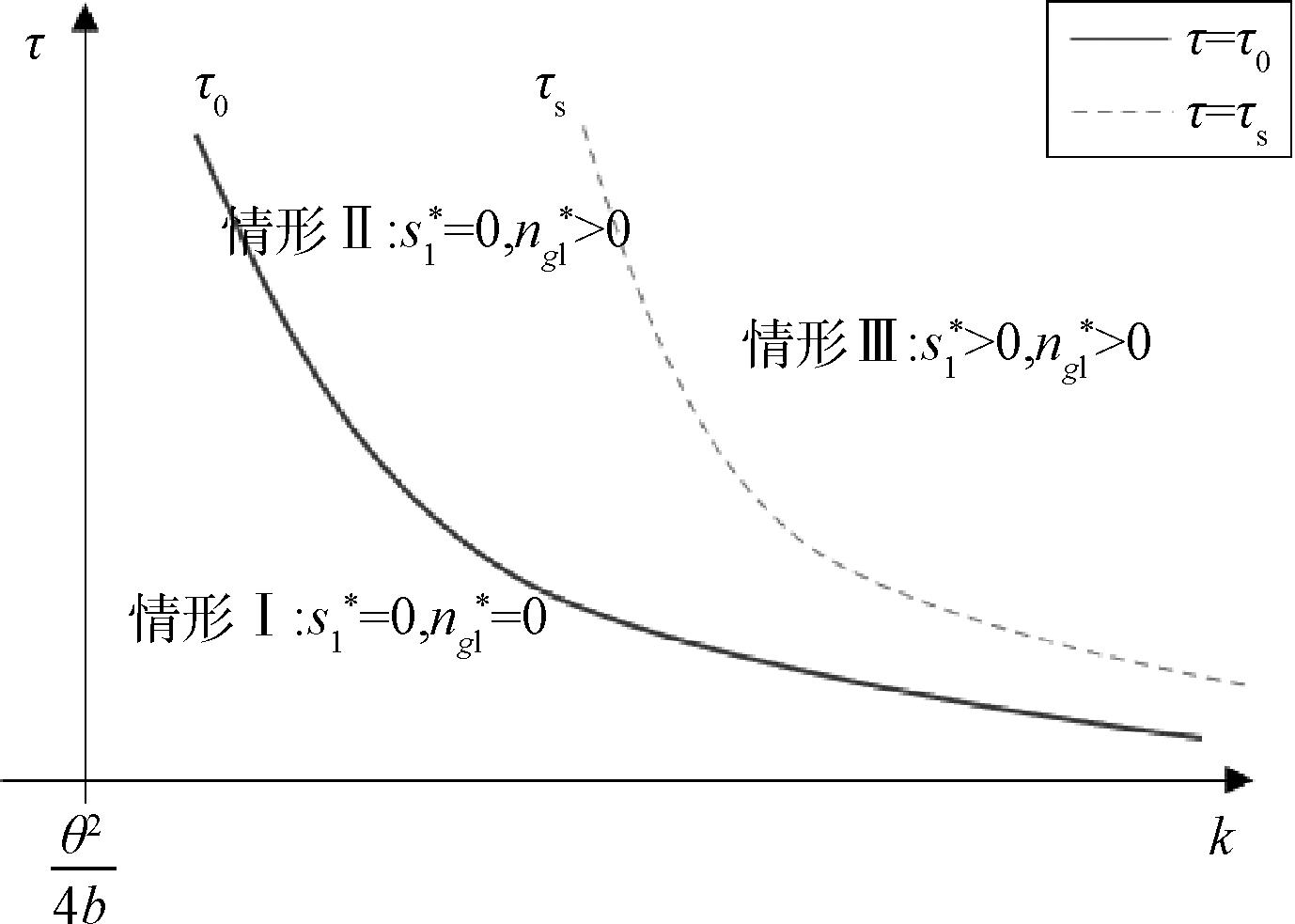
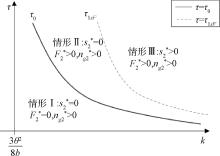
图3
实现电动汽车采用的最优政府决策ng2*,F2*,s2*"
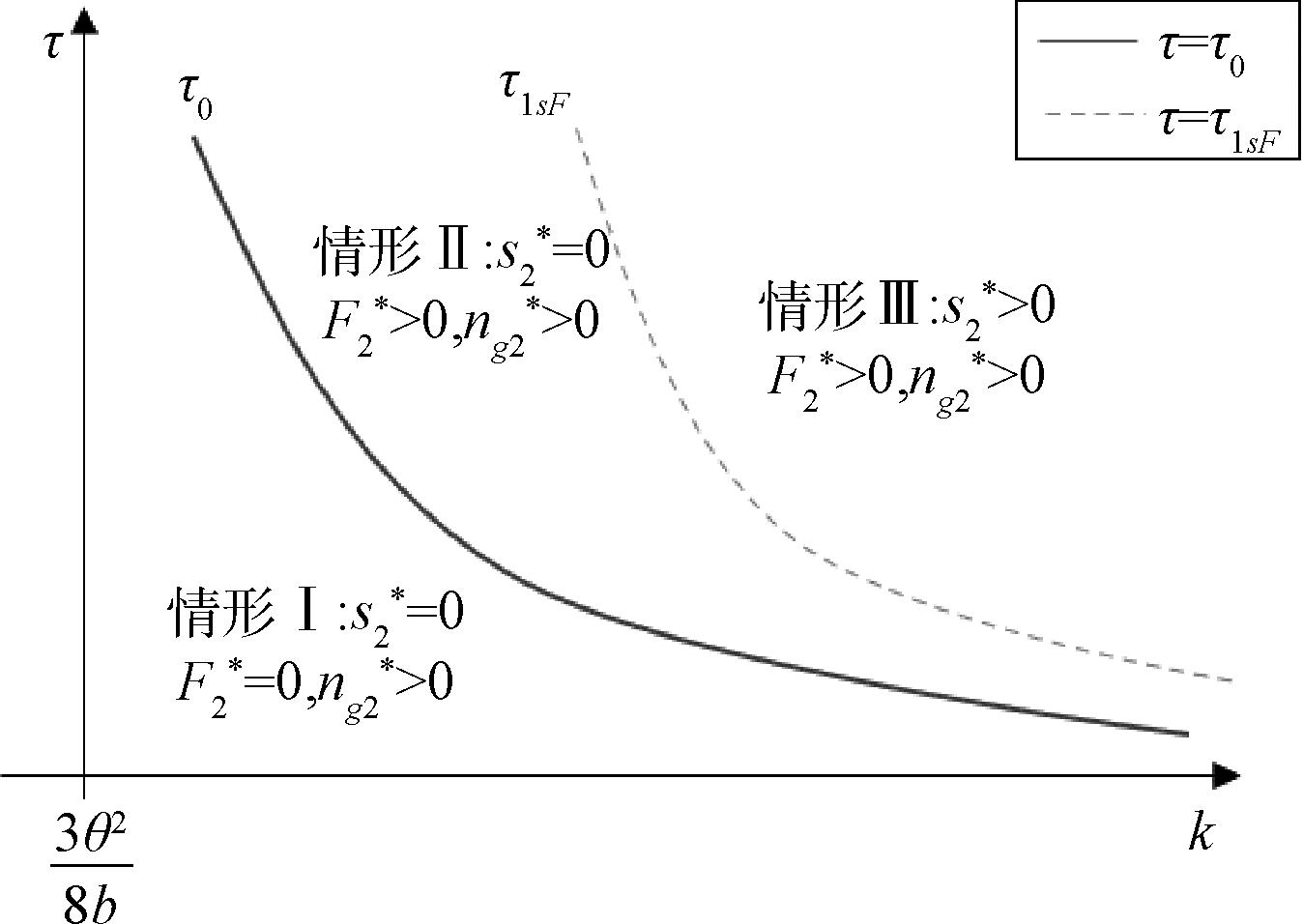
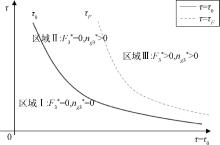
图4
实现电动汽车采用的最优政府决策ng3*,F3*"
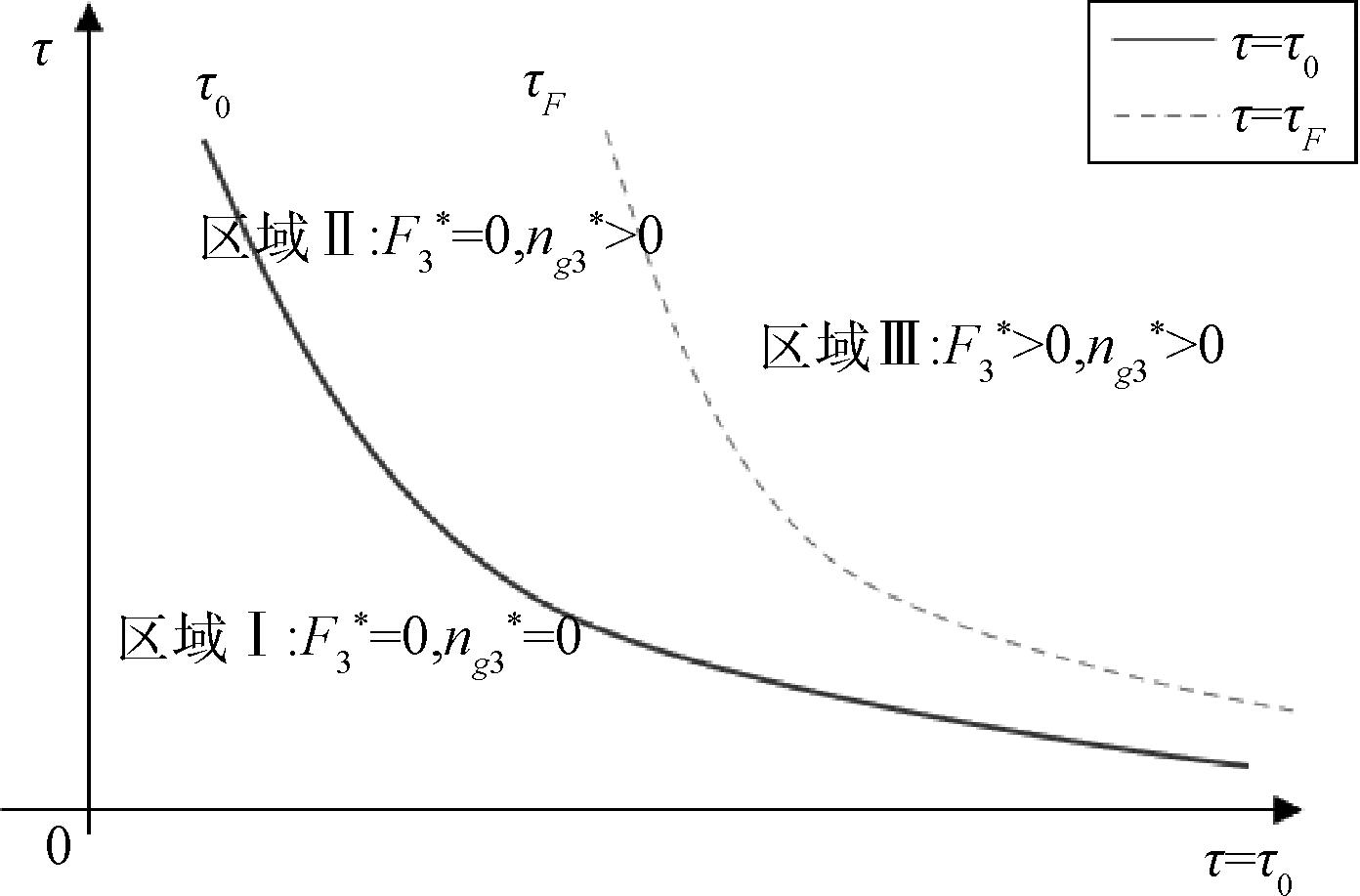
表2
模型比较"
比较 | 最优解比较 | 车企利润 | 第三方利润 | 政府成本 |
|---|---|---|---|---|
当 当 | 当 当 | |||
当 当 当 | 当 当 当 | |||
当 当 | 当 当 | 当 当 | ||
(此时, | (此时, | (此时, |
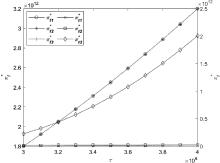
图5
车企、第三方的利润随τ的变化"
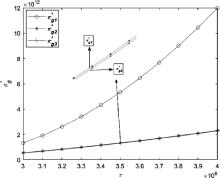
图6
政府的成本随τ的变化"
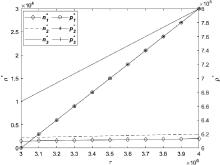
图7
充电站数量与电动汽车价格随τ的变化"
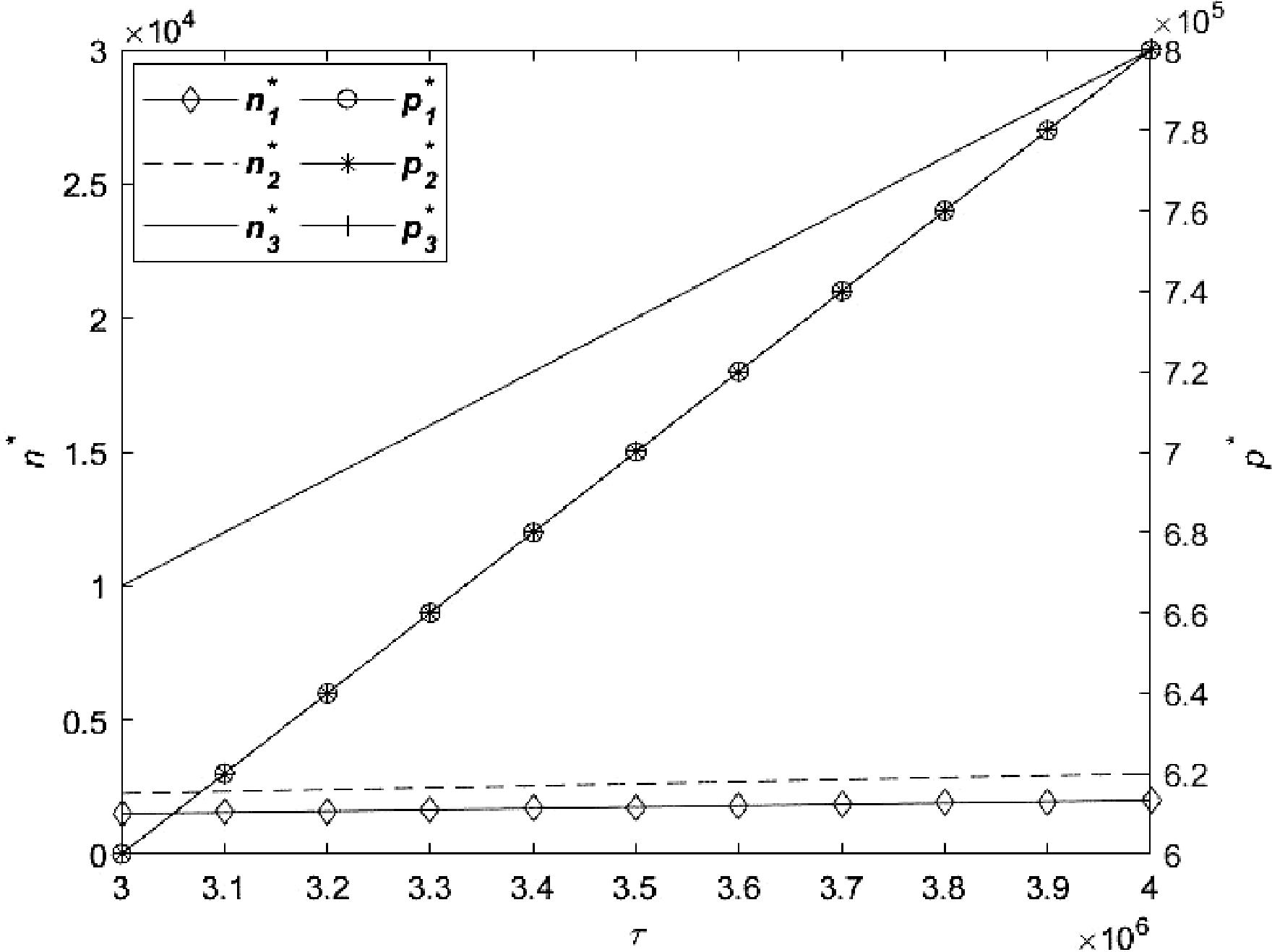
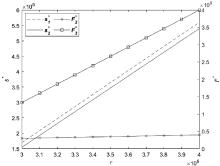
图8
消费补贴与建设补贴随τ的变化"
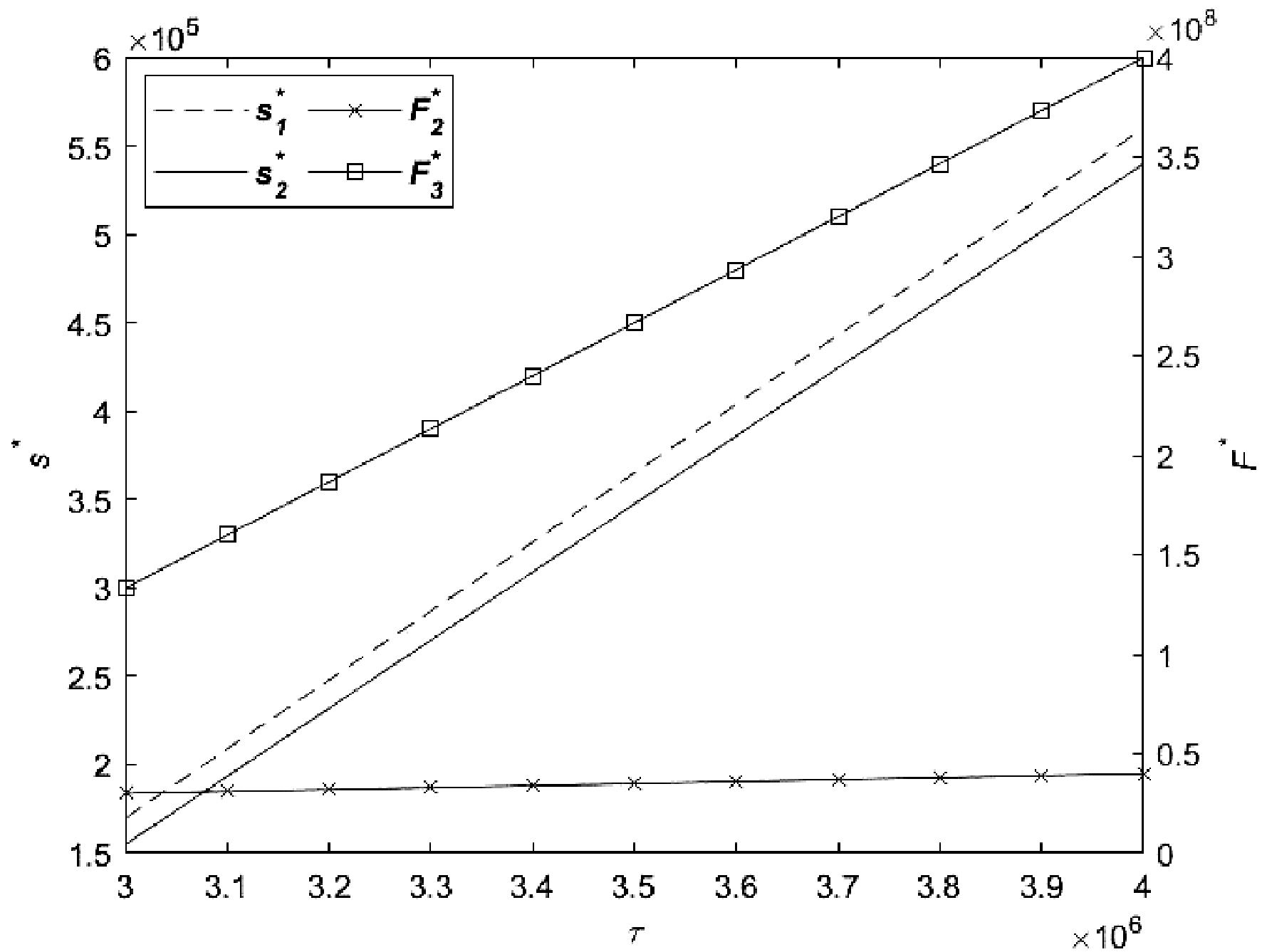
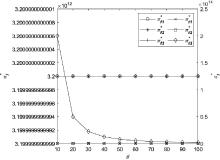
图9
车企、第三方的利润随θ的变化"
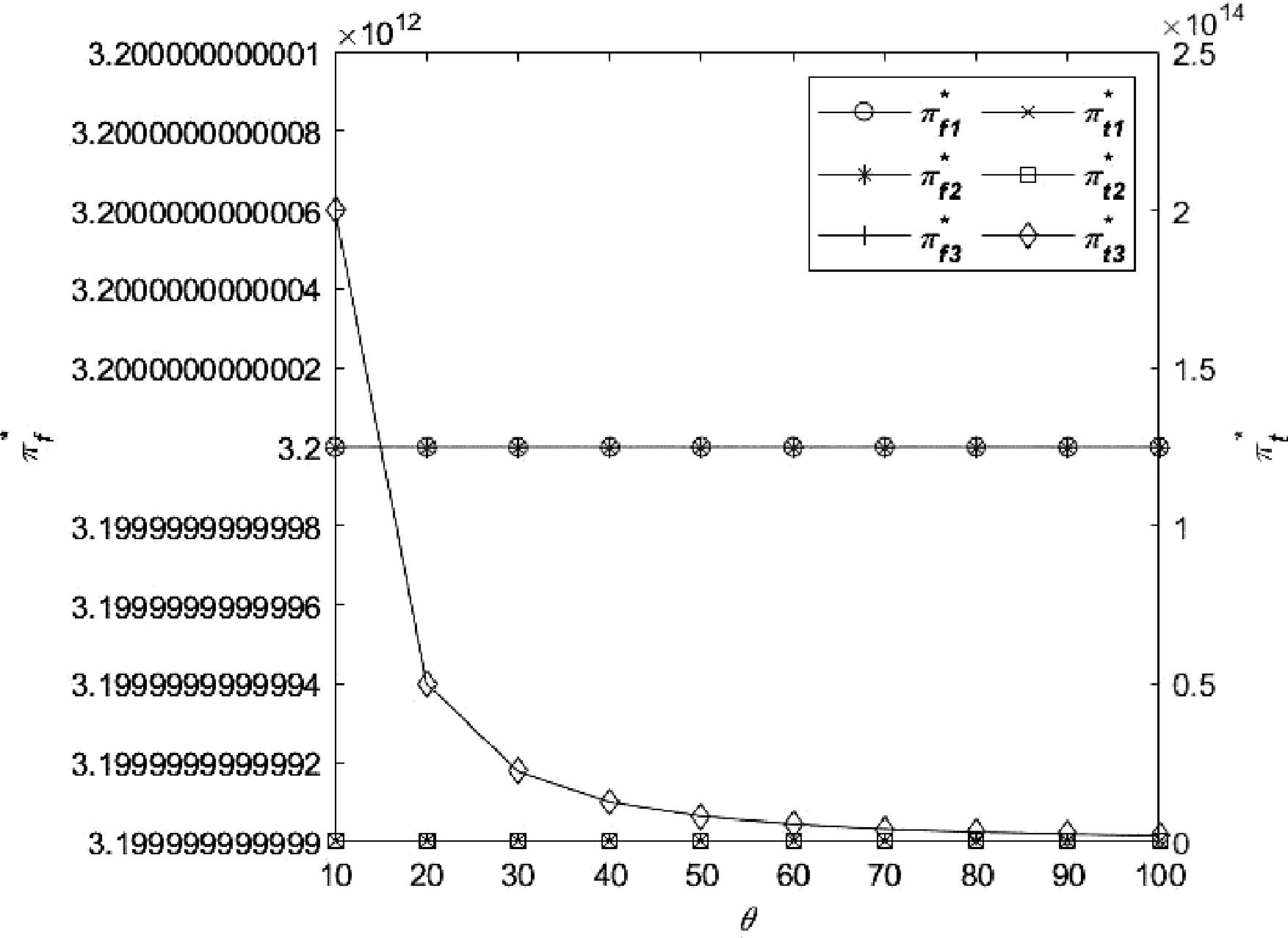
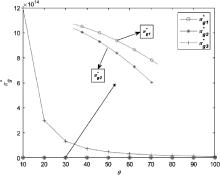
图10
政府的成本随θ的变化"
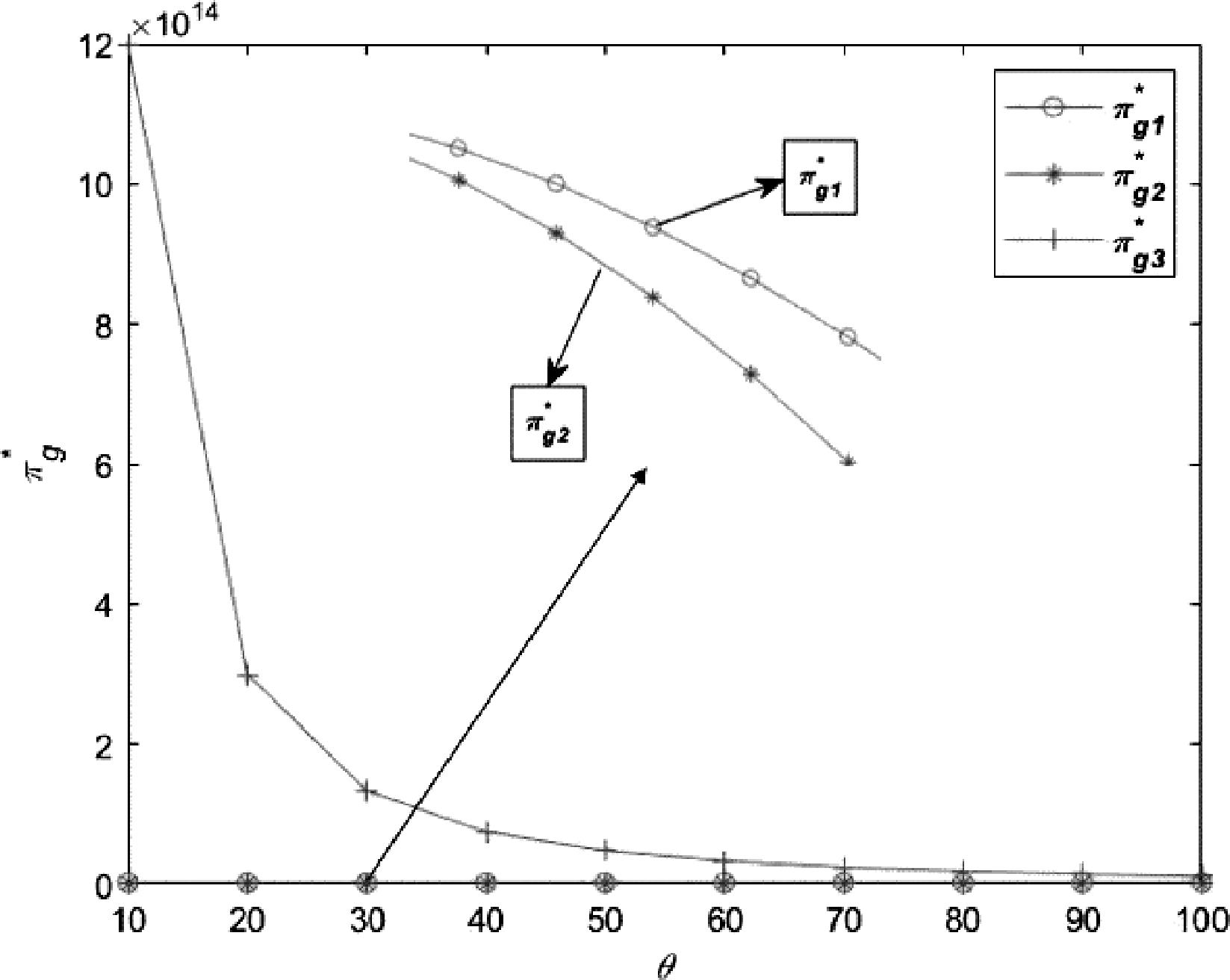
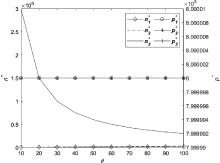
图11
充电站数量与电动汽车价格随θ的变化"
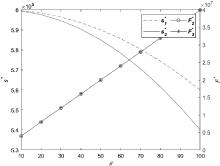
图12
消费补贴与建设补贴随θ的变化"
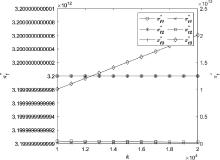
图13
车企、第三方的利润随k的变化"
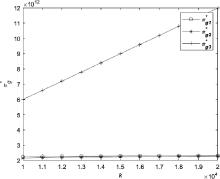
图14
政府的成本随k的变化"
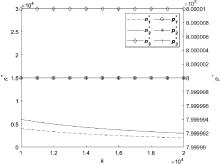
图15
充电站数量与电动汽车价格随k的变化"
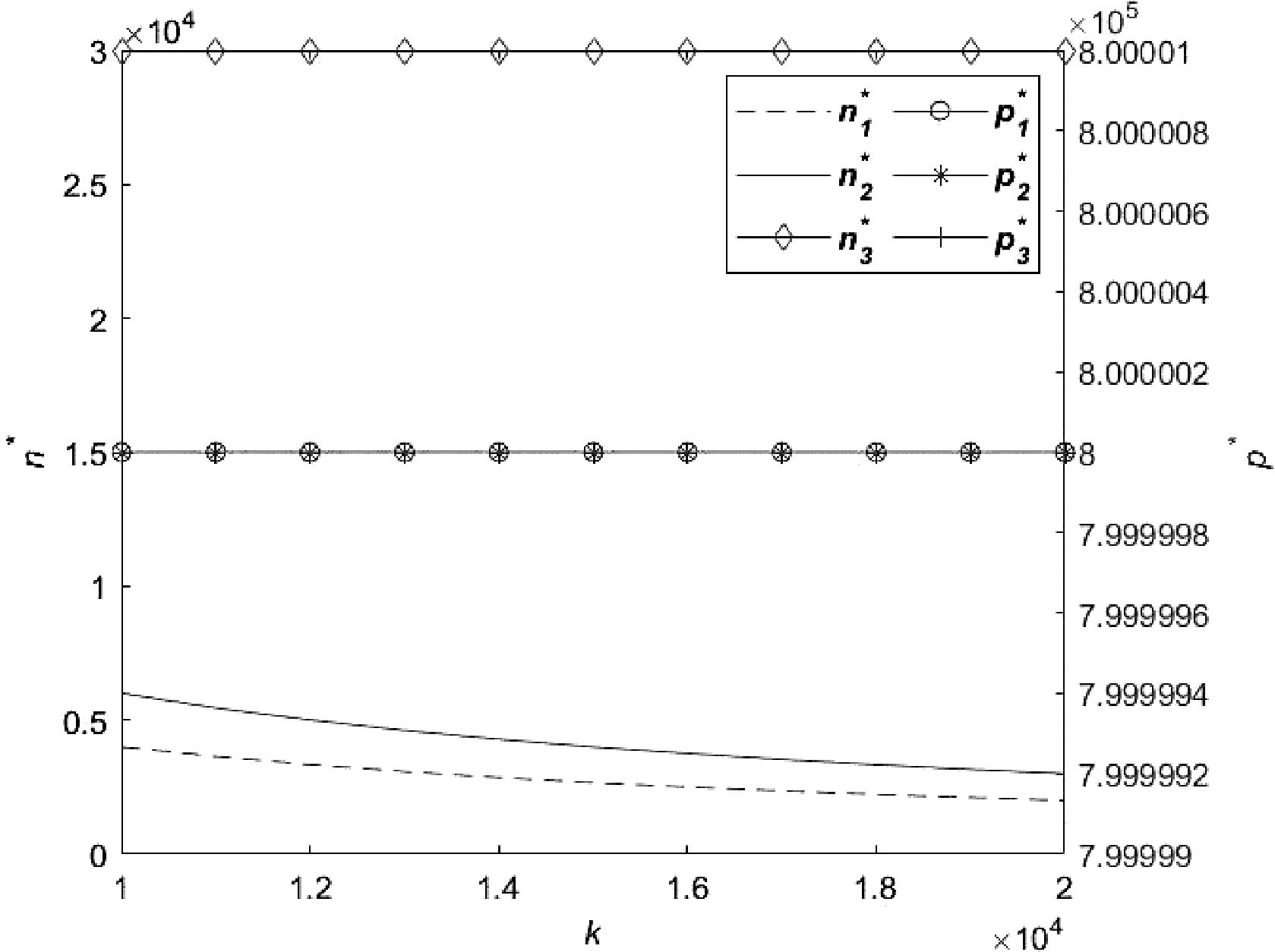
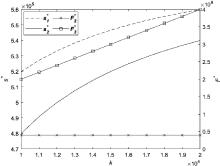
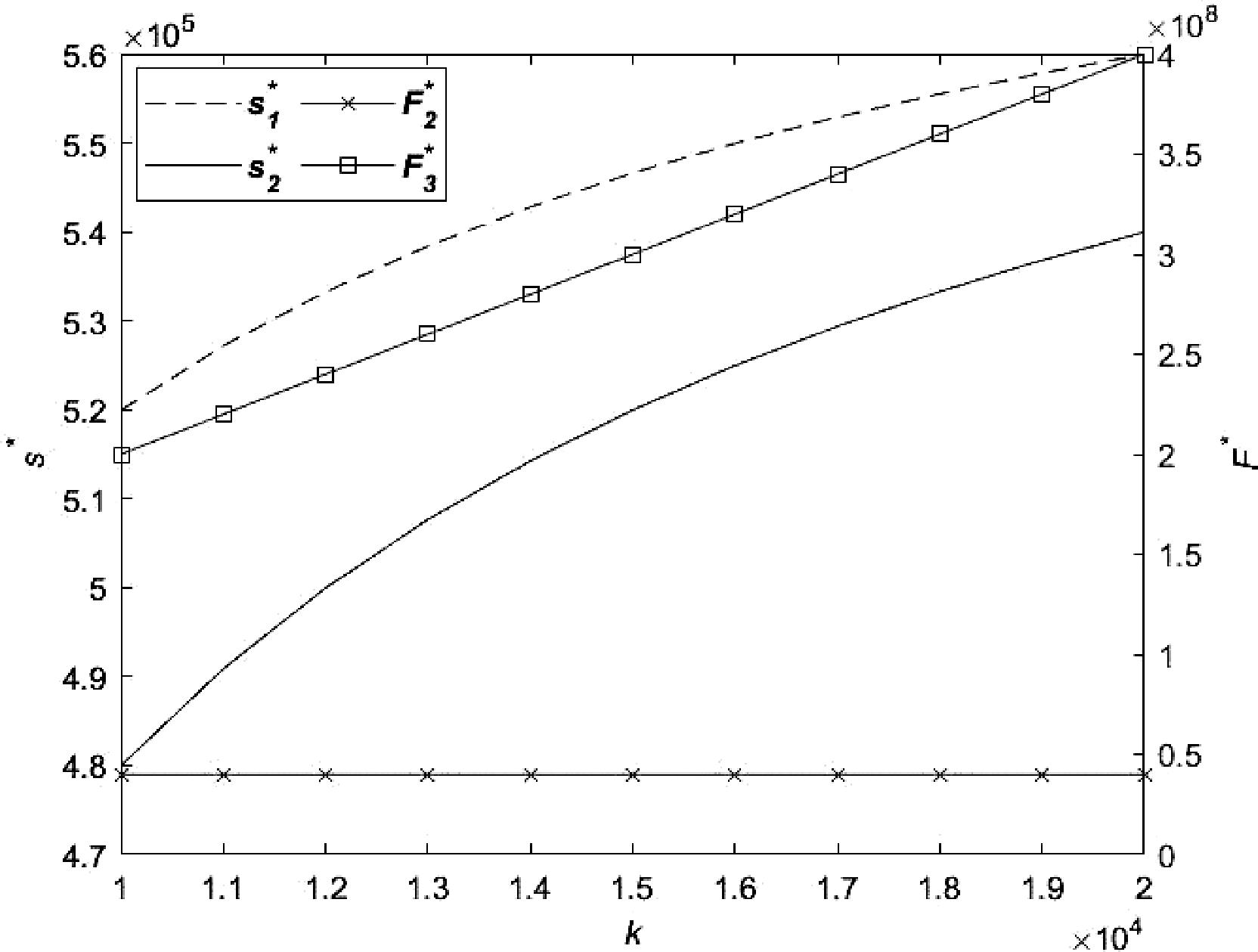
图16
消费补贴与建设补贴随k的变化"
| [1] | CCTV News. “双碳”目标加速汽车业碳减排新能源汽车减排优势明显[EB/OL].(2021-07-27)[2024-05-20]. . |
| CCTV News. “Dual Carbon” Goals accelerate carbon reduction in auto industry, new energy vehicles show significant emission reduction advantages [EB/OL].(2021-07-27)[2024-05-20].. | |
| [2] | 国务院办公厅. 国务院办公厅关于印发新能源汽车产业发展规划(2021—2035年)的通知[EB/OL].(2020-10-20)[2024-05-20].. |
| General Office of the State Council of the People’s Republic of China. Notice on issuing the development plan for the new energy vehicle industry(2021-2035) [EB/OL].(2020-10-20)[2024-05-20].. | |
| [3] | 中EV世纪. 2023年我国新能源汽车销售949.5万辆,市占率达31.6%[EB/OL].(2024-01-11)[2024-05-21].. |
| Century EV. 2023 China’s new energy vehicle sales reached 9.495 million units, with a market share of 31.6%[EB/OL].(2024-01-11)[2024-05-21].. | |
| [4] | 李冬冬, 商辰宣, 吕宏军, 等. “后补贴” 时代考虑消费者需求异质性的新能源汽车推广政策研究[J]. 中国管理科学, 2024, 32(4): 141-152. |
| Li D D, Shang C X, Lv H J, et al. Adoption of new energy vehicle in the post-subsidy erawith heterogeneous consumer demand[J]. Chinese Journal of Management Science, 2024, 32(4): 141-152. | |
| [5] | 胡煜晗, 靳雅娜, 张世秋. 电动汽车替代燃油车的气候和健康影响及社会成本——基于单车视角的成本效益分析[J]. 北京大学学报(自然科学版), 2021, 57(5): 916-926. |
| Hu Y H, Jin Y N, Zhang S Q. Climate, health impacts, and social costs of electric vehicles in China: A cost-benefit analysis[J]. Acta Scientiarum Naturalium Universitatis Pekinensis, 2021, 57(5): 916-926. | |
| [6] | Liu H C, You X Y, Xue Y X, et al. Exploring critical factors influencing the diffusion of electric vehicles in China: A multi-stakeholder perspective[J]. Research in Transportation Economics, 2017, 66: 46-58. |
| [7] | 李国栋, 罗瑞琦, 谷永芬. 政府推广政策与新能源汽车需求: 来自上海的证据[J]. 中国工业经济, 2019(4): 42-61. |
| Li G D, Luo R Q, Gu Y F. Government’s promotion policies and the demand of new-energy vehicles: Evidence from Shanghai[J]. China Industrial Economics, 2019(4): 42-61. | |
| [8] | Lim M K, Mak H Y, Rong Y. Toward mass adoption of electric vehicles: Impact of the range and resale anxieties[J]. Manufacturing & Service Operations Management, 2015, 17(1): 101-119. |
| [9] | 王田, 邓世名. 以电动汽车供应链为依托的充电站建设模式研究[J].中国管理科学,2018, 26(10): 152-163. |
| Wang T, Deng S M. Optimal building policies of charging stations with automobile supply chain analysis[J]. Chinese Journal of Management Science, 2018, 26(10): 152-163. | |
| [10] | Wang T, Deng S. Supply chain leading models of building charging stations: Leaders, subsidy policies, and cost sharing[J]. International Journal of Sustainable Transportation, 2019, 13(3): 155-169. |
| [11] | Guo F, Yang J, Lu J. The battery charging station location problem: Impact of users’ range anxiety and distance convenience[J]. Transportation Research Part E: Logistics and Transportation Review, 2018, 114: 1-18. |
| [12] | 李创, 叶露露, 王丽萍. 新能源汽车消费促进政策对潜在消费者购买意愿的影响[J]. 中国管理科学, 2021, 29(10): 151-164. |
| Li C, Ye L L, Wang L P. The influence of new energy vehicle consumption promotion policy on the purchase intention of potential consumers[J]. Chinese Journal of Management Science, 2021, 29(10): 151-164. | |
| [13] | Baumgarte F, Kaiser M, Keller R. Policy support measures for widespread expansion of fast charging infrastructure for electric vehicles[J]. Energy Policy, 2021, 156: 112372. |
| [14] | 中国新闻网. 美国宣布投入25亿美元建设电动汽车充电站、氢燃料汽车补给站[EB/OL].(2023-03-15) [2024-05-20].. |
| China News Service. U.S. announces $2.5 billion investment to build EV charging stations and hydrogen fueling stations[EB/OL].(2023-03-15)[2024-05-20].. | |
| [15] | 国家电网. 国家电网全面建设新能源汽车充电设施项目集中联动开工[EB/OL].(2020-04-14)[2024-05-20]. . |
| State Grid Corporation of China. State grid launches concentrated and coordinated construction of new energy vehicle charging infrastructure projects[EB/OL].(2020-04-14)[2024-05-20].. | |
| [16] | Quddus M A, Kabli M, Marufuzzaman M. Modeling electric vehicle charging station expansion with an integration of renewable energy and Vehicle-to-Grid sources[J]. Transportation Research Part E: Logistics and Transportation Review, 2019, 128: 251-279. |
| [17] | Berenguer G, Feng Q, Shanthikumar J G, et al. The effects of subsidies on increasing consumption through for-profit and not-for-profit newsvendors[J]. Production and Operations Management, 2017, 26(6): 1191-1206. |
| [18] | Yu J J, Tang C S, Shen Z M. Improving consumer welfare and manufacturer profit via government subsidy programs: Subsidizing consumers or manufacturers?[J]. Manufacturing & Service Operations Management, 2018, 20(4): 752-766. |
| [19] | Gu X, Ieromonachou P, Zhou L. Subsidising an electric vehicle supply chain with imperfect information[J]. International Journal of Production Economics, 2019, 211: 82-97. |
| [20] | Gu H, Liu Z, Qing Q. Optimal electric vehicle production strategy under subsidy and battery recycling[J]. Energy Policy, 2017, 109: 579-589. |
| [21] | 熊勇清, 李小龙, 黄恬恬. 基于不同补贴主体的新能源汽车制造商定价决策研究[J]. 中国管理科学, 2020, 28(8): 139-147. |
| Xiong Y Q, Li X L, Huang T T. Research on new energy vehicle manufacturers pricing decision basis for different subsidy bodies[J]. Chinese Journal of Management Science, 2020, 28(8): 139-147. | |
| [22] | 赵骅, 郑吉川. 不同新能源汽车补贴政策对市场稳定性的影响[J]. 中国管理科学, 2019, 27(9): 47-55. |
| Zhao H, Zheng J C. The impact of different new energy vehicle subsidy policies on market stability[J]. Chinese Journal of Management Science, 2019, 27(9): 47-55. | |
| [23] | 彭频, 何熙途. 政府补贴与新能源汽车产业发展——基于系统动力学的演化博弈分析[J]. 运筹与管理, 2021, 30(10): 31-38. |
| Peng P, He X T. Government subsidies and development of new energy vehicle industry:Evolutionary game analysis based on system dynamics[J]. Operations Research and Management Science, 2021, 30(10): 31-38. | |
| [24] | 马亮, 仲伟俊, 梅姝娥. 基于续航能力需求的新能源汽车产业链补贴策略研究[J]. 系统工程理论与实践, 2018, 38(7): 1759-1767. |
| Ma L, Zhong W J, Mei S E. Study on subsidy strategy of new energy automobile industry chain based on endurance demand[J]. Systems Engineering-Theory & Practice, 2018, 38(7): 1759-1767. | |
| [25] | 卢超, 王倩倩, 陈强. “双积分” 政策下考虑价格、减排和续航的汽车供应链协调[J]. 系统工程理论与实践, 2021, 41(10): 2595-2608. |
| Lu C, Wang Q Q, Chen Q. Automobile supply chain coordination considering auto price, emission reduction and the mileage range in one charge under the “double points” policy[J]. Systems Engineering-Theory & Practice, 2021, 41(10): 2595-2608. | |
| [26] | Song Y, Li G, Wang Q, et al. Scenario analysis on subsidy policies for the uptake of electric vehicles industry in China[J]. Resources, Conservation and Recycling, 2020, 161: 104927. |
| [27] | Wang S, Li J, Zhao D. The impact of policy measures on consumer intention to adopt electric vehicles: Evidence from China[J]. Transportation Research Part A: Policy and Practice, 2017, 105: 14-26. |
| [28] | 岳为众, 刘颖琦, 童宇, 等. 政府补贴在新能源汽车充电桩产业中的作用: 三方博弈视角[J]. 中国人口·资源与环境, 2020, 30(11): 119-126. |
| Yue W Z, Liu Y Q, Tong Y, et al. Role of government subsidies in the new energy vehicle charging facility industry: A three-party game perspective[J]. China Population, Resources and Environment, 2020, 30(11): 119-126. | |
| [29] | 凌帅, 郭济源, 李悦, 等. 充电基础设施补贴该如何审时度势?基于多方动态博弈分析[J]. 中国管理科学, 2024, 32(6): 290-300. |
| Ling S, Guo J Y, Li Y, et al. How should charging infrastructure subsidies assess the situation? Analysis based on multi-party dynamic game[J]. Chinese Journal of Management Science, 2024, 32(6): 290-300. | |
| [30] | Shi L, Sethi S P, Çakanyıldırım M. Promoting electric vehicles: Reducing charging inconvenience and price via station and consumer subsidies[J]. Production and Operations Management, 2022, 31(12): 4333-4350. |
| [31] | Yu Z, Li S, Tong L. Market dynamics and indirect network effects in electric vehicle diffusion[J]. Transportation Research Part D: Transport and Environment, 2016, 47: 336-356. |
| [32] | Zhu L, Wang P, Zhang Q. Indirect network effects in China’s electric vehicle diffusion under phasing out subsidies[J]. Applied Energy, 2019, 251: 113350. |
| [33] | Yu Y, Zhou D, Zha D, et al. Joint optimization of charging facility investment and pricing in automobile retail supply chain and coordination[J]. Computers & Industrial Engineering, 2021, 156: 107296. |
| [34] | Yu J J, Tang C S, Li M K, et al. Coordinating installation of electric vehicle charging stations between governments and automakers[J]. Production and Operations Management, 2022, 31(2): 681-696. |
| [35] | Ma G, Lim M K, Mak H Y, et al. Promoting clean technology adoption: To subsidize products or service infrastructure?[J]. Service Science, 2019, 11(2): 75-95. |
| [36] | Kumar R R, Chakraborty A, Mandal P. Promoting electric vehicle adoption: Who should invest in charging infrastructure?[J]. Transportation Research Part E: Logistics and Transportation Review, 2021, 149: 102295. |
| [37] | Buket Avci K G. Electric vehicles with a battery switching station: Adoption and environmental impact[J]. Management Science, 2015, 61(4): 772-794. |
| [38] | Funke S Á, Plötz P, Wietschel M. Invest in fast-charging infrastructure or in longer battery ranges? A cost-efficiency comparison for Germany[J]. Applied Energy, 2019, 235: 888-899. |
| [1] | 李敏强, 苑楠, 冯海洋. 软件平台跟进性技术投资策略研究[J]. 中国管理科学, 2026, 34(4): 231-242. |
| [2] | 赵树然, 李金宸, 张洁, 任培民. 高频网络波动率矩阵模型构建及其应用[J]. 中国管理科学, 2026, 34(3): 122-133. |
| [3] | 王玉燕, 高俊宏, 孙煜林, 崔莹. 基于“搭便车”引发需求转移和质量感知的双渠道供应链服务与定价研究[J]. 中国管理科学, 2026, 34(3): 253-262. |
| [4] | 冯颖, 王舒婷, 张炎治. 物流外包下商务模式对生鲜农产品供应链运作的影响[J]. 中国管理科学, 2026, 34(3): 263-274. |
| [5] | 李犟, 吴和成, 王励文. 考虑不确定性的共同权重鲁棒DEA模型及其应用研究[J]. 中国管理科学, 2026, 34(3): 333-344. |
| [6] | 周礼南, 周根贵, 郑健壮, 张鲁光. 考虑消费者异质性偏好的定制绿色农产品供应链均衡研究[J]. 中国管理科学, 2026, 34(2): 275-286. |
| [7] | 姚锋敏, 谭琦, 李涛, 刘斌. 链与链竞争环境下的供应链CSR捐赠决策[J]. 中国管理科学, 2026, 34(2): 287-297. |
| [8] | 胡强, 谢吉青, 张广思, 梁玲, 谢家平. 政府激励科创平台协同创新的契约设计——基于双重信息不对称视角[J]. 中国管理科学, 2026, 34(1): 153-166. |
| [9] | 韩松, 李璨. 多代理Nash Q-Learning模型行动选择策略研究[J]. 中国管理科学, 2025, 33(12): 110-120. |
| [10] | 王玉燕, 高俊宏, 员巧云. 闭环供应链的区块链实施主体选择研究[J]. 中国管理科学, 2025, 33(12): 337-348. |
| [11] | 孙嘉轶, 路阳阳, 滕春贤. 区块链技术对低碳供应链合作策略的影响研究[J]. 中国管理科学, 2025, 33(10): 293-303. |
| [12] | 王莺潼, 计小宇, 孟庆春. 动态不确定环境下基于多层级备份策略的供应链网络性能研究[J]. 中国管理科学, 2025, 33(10): 316-326. |
| [13] | 李梦祺, 李登峰, 南江霞. 考虑链间竞争与链内研发成本共担的绿色供应链决策——基于非合作-合作两型博弈方法[J]. 中国管理科学, 2025, 33(10): 339-349. |
| [14] | 何爽, 赵亮, 张剑, 李琳. 替代竞争情境下关联需求固定产出比联产品加工决策研究[J]. 中国管理科学, 2025, 33(10): 76-85. |
| [15] | 伏红勇, 雷一峰, 但斌, 掌曙光. 应对供应商减排不合规的碳审计策略:独立vs联合[J]. 中国管理科学, 2025, 33(9): 339-348. |
| 阅读次数 | ||||||
|
全文 |
|
|||||
|
摘要 |
|
|||||
|
||
