
主管:中国科学院
主办:中国优选法统筹法与经济数学研究会
中国科学院科技战略咨询研究院
主办:中国优选法统筹法与经济数学研究会
中国科学院科技战略咨询研究院

Chinese Journal of Management Science ›› 2026, Vol. 34 ›› Issue (10): 420-432.doi: 10.16381/j.cnki.issn1003-207x.2023.1826
Qi Sima1, Siyue Yang1, Yukun Bao1,2( )
)
Received:2023-11-07
Revised:2024-04-29
Online:2026-10-25
Published:2026-10-09
Contact:
Yukun Bao
E-mail:yukunbao@hust.edu.cn
CLC Number:
Qi Sima,Siyue Yang,Yukun Bao. Net Load Forecasting and Dynamic Power Dispatch Considering the Synergistic Control of Carbon Emissions and Air Pollution[J]. Chinese Journal of Management Science, 2026, 34(10): 420-432.
"
"

"
| 预测模型 | MLP | LSTM | MSVR | |||
|---|---|---|---|---|---|---|
| MAPE | NRMSE | MAPE | NRMSE | MAPE | NRMSE | |
| 直接预测 | 0.124 | 0.865 | 0.101 | 0.736 | 0.087 | 0.623 |
| 间接预测 | 0.136 | 0.911 | 0.101 | 0.728 | 0.095 | 0.700 |
| 混合预测 | 0.122 | 0.835 | 0.096 | 0.703 | 0.082 | 0.582 |
"
"
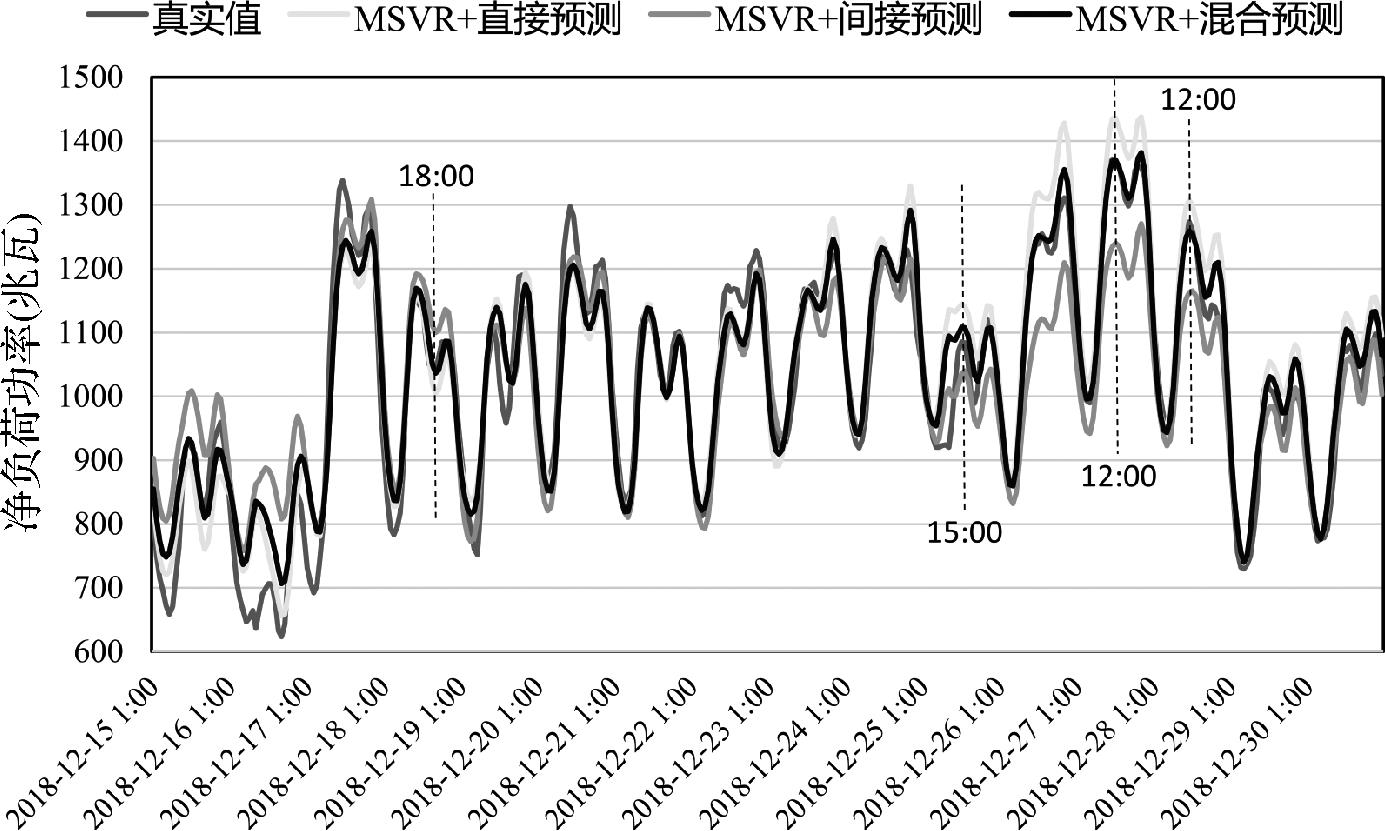
"
"
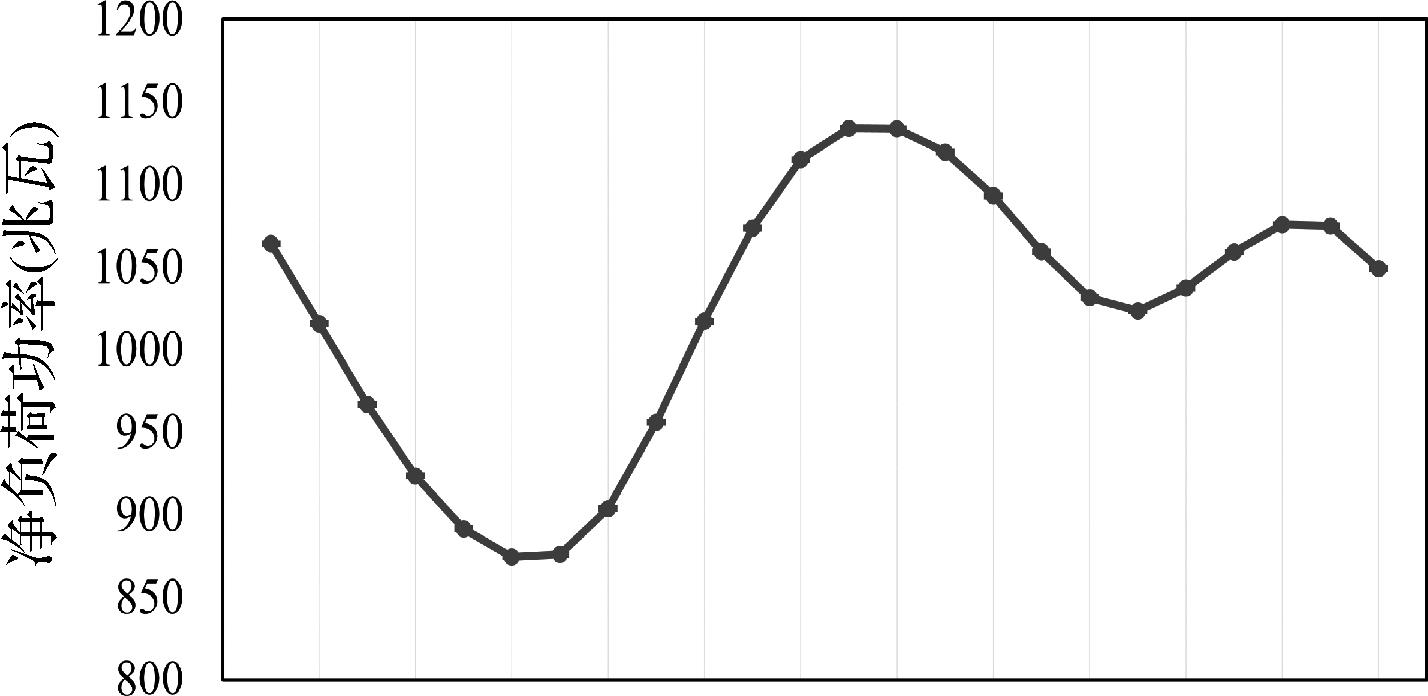
"
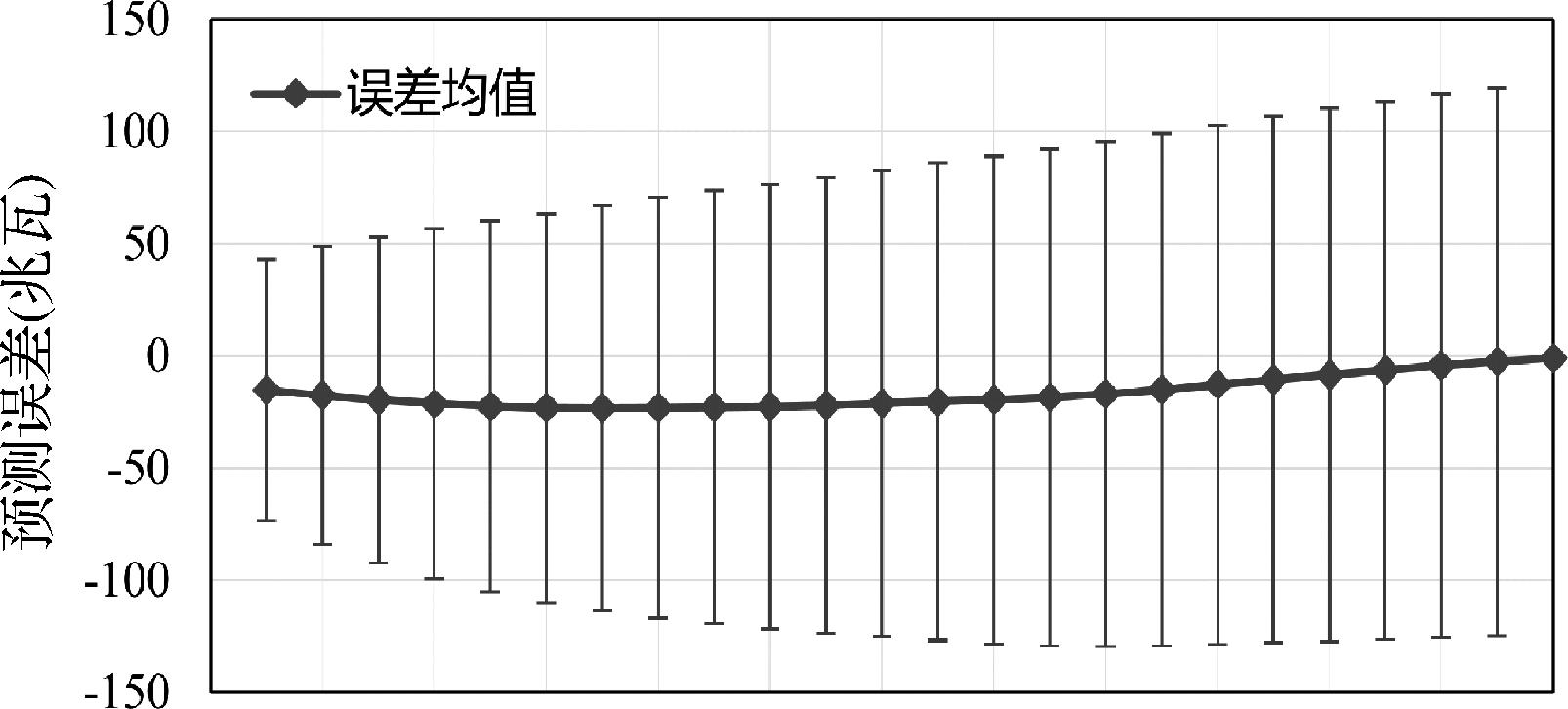
"
| 机组编号 | G1 | G2 | G3 | G4 | G5 | G6 | |
|---|---|---|---|---|---|---|---|
机组成本 函数系数 | 0.0516 | 0.0482 | 0.0654 | 0.062 | 0.062 | 0.0551 | |
| 82.6 | 48.2 | 68.8 | 75.7 | 58.5 | 72.3 | ||
| 1308 | 1652 | 1377 | 1377 | 1514 | 1514 | ||
| 出力参数 | 120 | 500 | 200 | 150 | 300 | 200 | |
| 50 | 100 | 50 | 50 | 80 | 50 | ||
| 爬坡参数 | 50 | 80 | 50 | 50 | 65 | 50 | |
| 90 | 120 | 90 | 90 | 100 | 90 | ||
"
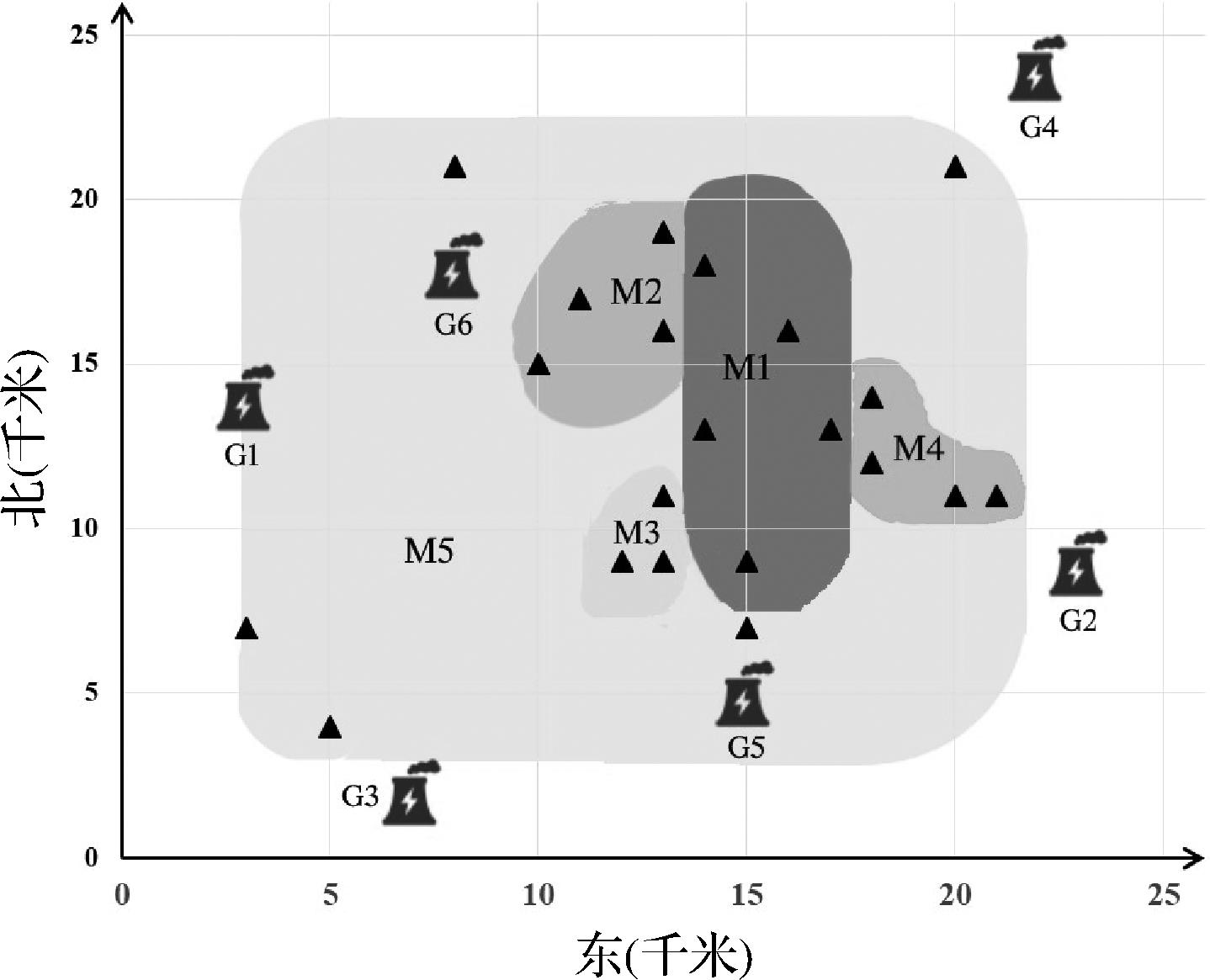
"
| 基础场景 | 碳排放控制场景 | 大气污染控制场景 | 协同治理场景 | |
|---|---|---|---|---|
| 经济目标函数 | ⎫ | ⎫ | ⎫ | ⎫ |
| 大气污染控制目标 | — | — | ⎫ | ⎫ |
| 碳排放控制约束 | — | ⎫ | — | ⎫ |
| 系统功率平衡约束 | ⎫ | ⎫ | ⎫ | ⎫ |
| 机组运行约束 | ⎫ | ⎫ | ⎫ | ⎫ |
"

"

"
| 机组 | G1 | G2 | G3 | G4 | G5 | G6 |
|---|---|---|---|---|---|---|
| 运营成本(万元) | 24.282 | 63.808 | 35.997 | 29.108 | 53.178 | 36.178 |
| 发电总量(兆瓦时) | 2403.3 | 8999.7 | 4074.7 | 3080 | 6553.3 | 3981.8 |
| 平均单位发电成本(元/兆瓦时) | 101.04 | 70.9 | 88.34 | 94.51 | 81.15 | 90.86 |
| 平均度电碳排放量(千克/兆瓦时) | 0.14 | 2.84 | 0.59 | 0.2 | 0.57 | 0.34 |
| 机组利用率(%) | 83.4 | 75.0 | 84.9 | 85.6 | 91.0 | 83.0% |
"
"
| 参数 | 基础 场景 | 大气污染控制策略 | ||
|---|---|---|---|---|
策略1 (总量控制) | 策略2 (时空分布控制) | |||
| 经济成本(万元) | 242.12 | 242.51 | 242.63 | |
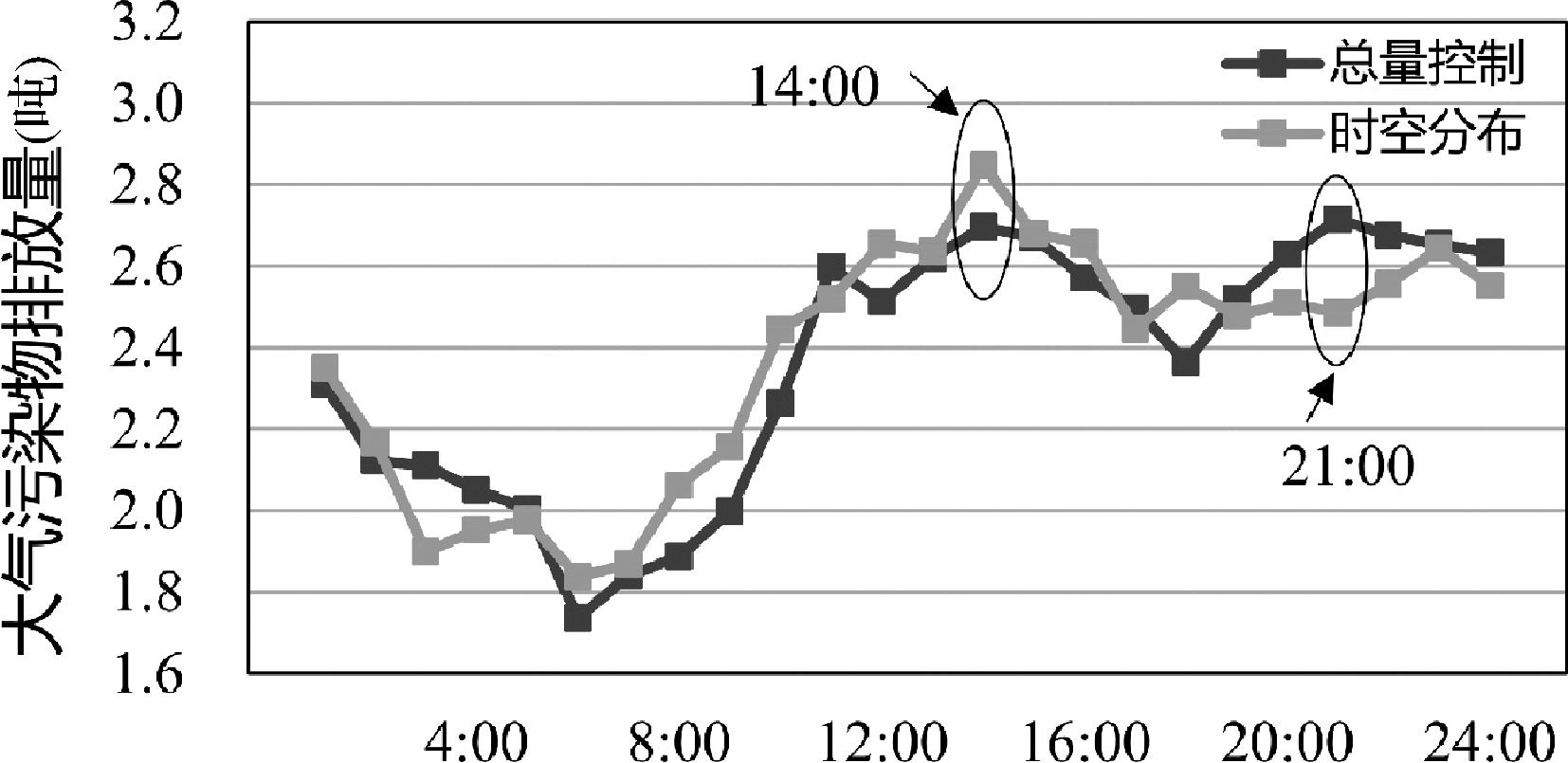
| 大气污染物排放总量(吨) | 59.83 | 56.67 | 56.93 | |
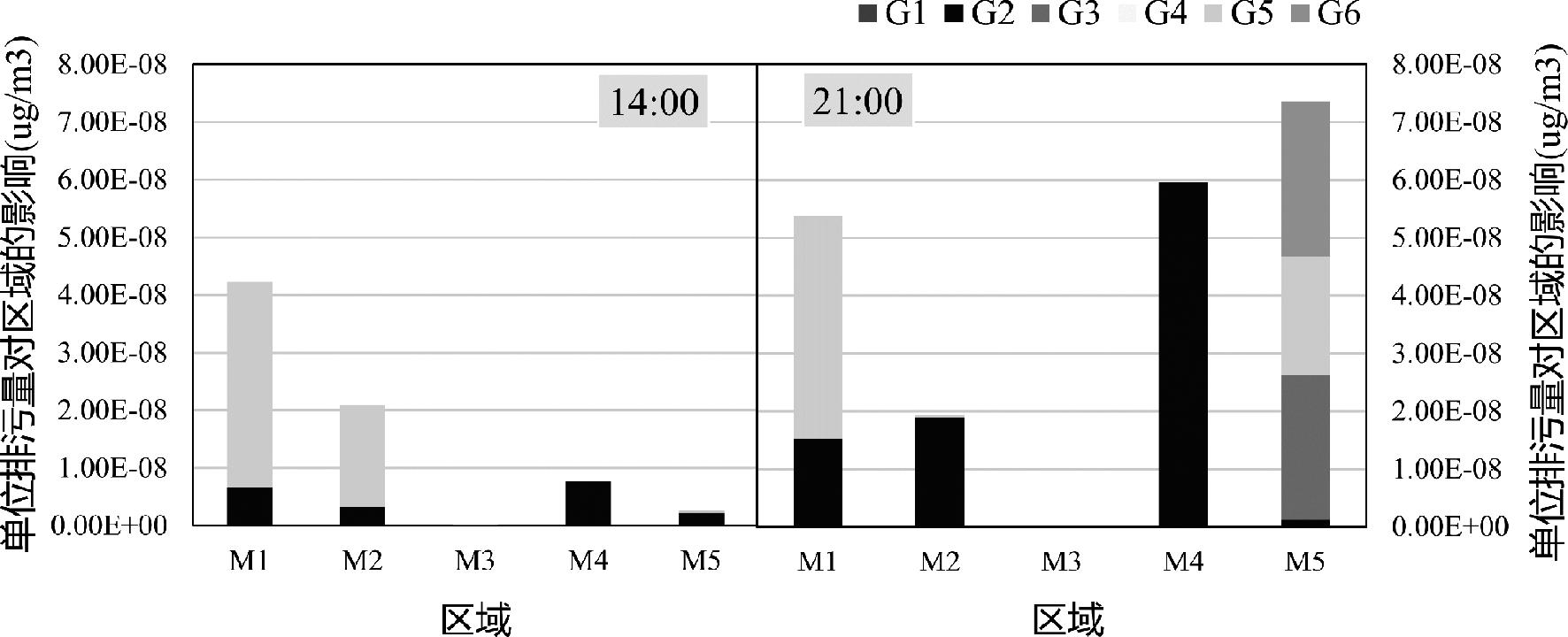
系统对地区污染 程度贡献日峰值(%) | M1 | 38.0 | 31.4 | 31.3 |
| M2 | 29.0 | 22.0 | 16.6 | |
| M3 | 13.0 | 13.5 | 13.4 | |
| M4 | 58.0 | 53.7 | 37.4 | |
| M5 | 17.0 | 16.8 | 18.4 | |
"
"
"
"
| 系统对地区污染程度贡献峰值 | 大气污染物 排放总量(吨) | |||||
|---|---|---|---|---|---|---|
| M1(%) | M2(%) | M3(%) | M4(%) | M5(%) | ||
| 基础场景 | 38.0 | 29.0 | 13.0 | 58.0 | 17.0 | 59.83 |
| 非合作模式 | 33.2 | 21.5 | 13.7 | 47.5 | 18.0 | 57.34 |
| 合作模式 | 31.8 | 23.1 | 13.8 | 45.0 | 16.3 | 58.22 |
"
| 模式 | 各机组碳排放量 | 碳排放量(千克) | |||||
|---|---|---|---|---|---|---|---|
| G1 | G2 | G3 | G4 | G5 | G6 | ||
| 基础场景 | 637 | 172807 | 2846 | 1284 | 5906 | 1844 | 84063.42 |
| 总量控制 | 682 | 74967 | 3015 | 1612 | 6882 | 2103 | 40488.79 |
| 时空分布 | 700 | 74590 | 2628 | 1364 | 6996 | 2624 | 40325.95 |
"
| [1] | 生态环境部, 国家发展和改革委员会, 工业和信息化部 等. 关于印发《减污降碳协同增效实施方案》的通知[EB/OL].(2022-06-17) [2024-09-18]. . |
| Ministry of Ecology and Environment, National Development and Reform Commission, Ministry of Industry and Information Technology. Notice on issuing the implementation plan for synergistic efficiency improvement of pollution reduction and carbon reduction[EB/OL].(2022-06-17)[2024-09-18].. | |
| [2] | 刘新建, 宋中炜, 吴洁. 碳中和目标下能源经济系统转型: 碳定价与可再生能源政策作用有多大?[J]. 中国管理科学, 2024, 32(11): 325-334. |
| Liu X J, Song Z W, Wu J. Transforming the energy economic system with the carbon neutrality goal: How much can the carbon pricing and renewable energy policy contribute?[J]. Chinese Journal of Management Science, 2024, 32(11): 325-334. | |
| [3] | 王文宾, 管婕. 碳限额交易政策下考虑发电商减排策略的电力供应链决策[J]. 中国管理科学, 2025, 33(6): 335-345. |
| Wang W B, Guan J. Decision of electricity supply chain for considering emission reduction strategy of electricity generator under carbon cap-and-trade policy[J]. Chinese Journal of Management Science, 2025, 33(6): 335-345. | |
| [4] | 杜刚, 赵冬梅, 刘鑫. 计及风电不确定性优化调度研究综述[J]. 中国电机工程学报, 2023, 43(7): 2608-2626+11. |
| Du G, Zhao D M, Liu X. Research review on optimal scheduling considering wind power uncertainty[J]. Proceedings of the CSEE, 2023, 43(7): 2608-2626+11. | |
| [5] | 殷辉, 陆信辉, 周开乐. 分布式与集中式储能并存的微电网负荷优化调度[J]. 中国管理科学, 2023, 31(2): 118-128. |
| Yin H, Lu X H, Zhou K L. Optimal load dispatch for microgrid with distributed and centralized energy storage systems[J]. Chinese Journal of Management Science, 2023, 31(2): 118-128. | |
| [6] | Yuzgec U, Dokur E, Balci M. A novel hybrid model based on Empirical Mode Decomposition and Echo State Network for wind power forecasting[J]. Energy, 2024, 300: 131546. |
| [7] | 史加荣, 赵丹梦, 王琳华, 等. 基于RR-VMD-LSTM的短期风电功率预测[J]. 电力系统保护与控制, 2021, 49(21): 63-70. |
| Shi J R, Zhao D M, Wang L H, et al. Short-term wind power prediction based on RR-VMD-LSTM[J]. Power System Protection and Control, 2021, 49(21): 63-70. | |
| [8] | Luo J, Hong T, Gao Z, et al. A robust support vector regression model for electric load forecasting[J]. International Journal of Forecasting, 2023, 39(2): 1005-1020. |
| [9] | Chen K, Chen K, Wang Q, et al. Short-term load forecasting with deep residual networks[J]. IEEE Transactions on Smart Grid, 2019, 10(4): 3943-3952. |
| [10] | 陈晓红,王泽深,吴超,等.基于长短期记忆网络的微电网分时负荷组合预测模型研究[J].中国管理科学,2024, DOI:10.16381/j.cnki.issn1003-207x.2023.1574 . |
| Chen X H, Wang Z S, Wu C, et al. Research on short -term integrated forecasting model of hour-based load in micro-grid based on long-short-term memory network [J]. Chinese Journal of Management Science, 2024, DOI: 10.16381/j.cnki.issn1003-207x.2023.1574 . | |
| [11] | 徐潇源, 王晗, 严正, 等. 能源转型背景下电力系统不确定性及应对方法综述[J]. 电力系统自动化, 2021, 45(16): 2-13. |
| Xu X Y, Wang H, Yan Z, et al. Overview of power system uncertainty and its solutions under energy transition[J]. Automation of Electric Power Systems, 2021, 45(16): 2-13. | |
| [12] | 林舜江, 冯祥勇, 梁炜焜,等. 新能源电力系统不确定优化调度方法研究现状及展望[J]. 电力系统自动化, 2024, 48(10): 20-41. |
| Lin S J, Feng X Y, Liang W K, et al. Research status and prospect of uncertain optimal dispatch methods for renewable energy power systems[J]. Automation of Electric Power Systems, 2024, 48(10): 20-41. | |
| [13] | 易明月, 童晓阳. 考虑风荷预测误差不确定性的动态经济调度[J]. 电网技术, 2019, 43(11): 4050-4057. |
| Yi M Y, Tong X Y. Dynamic economic dispatch considering uncertainties of wind power and load forecast error[J]. Power System Technology, 2019, 43(11): 4050-4057. | |
| [14] | 彭思佳, 邢海军, 成明洋. 多重不确定环境下考虑阶梯型碳交易的虚拟电厂低碳经济调度[J]. 上海交通大学学报, 2023, 57(12): 1571-1582. |
| Peng S J, Xing H J, Cheng M Y. Low carbon economic dispatch of virtual power plants considering ladder-type carbon trading in multiple uncertainties[J]. Journal of Shanghai Jiao Tong University, 2023, 57(12): 1571-1582. | |
| [15] | 王炜, 冯斌, 黄刚, 等. 基于自注意力编码器和深度神经网络的短期净负荷预测[J]. 中国电机工程学报, 2023, 43(23): 9072-9084. |
| Wang W, Feng B, Huang G, et al. Short-term net load forecasting based on self-attention encoder and deep neural network[J]. Proceedings of the CSEE, 2023, 43(23): 9072-9084. | |
| [16] | 杨雪, 王明强, 胡召永, 等. 精细考虑时刻间净负荷波动不确定性的机组组合[J]. 高电压技术, 2023, 49(11): 4839-4848. |
| Yang X, Wang M Q, Hu Z Y, et al. Unit commitment considering fluctuation uncertainty of net load between adjacent periods[J]. High Voltage Engineering, 2023, 49(11): 4839-4848. | |
| [17] | 李军祥, 陈鸣, 邵馨平. 基于信息间隙决策理论的虚拟电厂低碳需求响应调度模型[J]. 中国管理科学, 2025, 33(4): 345-356. |
| Li J X, Chen M, Shao X P. A low-carbon demand response dispatch model for virtual power plants based on information gap decision theory[J]. Chinese Journal of Management Science, 2025, 33(4): 345-356. | |
| [18] | 梅天华, 边巧燕, 谢俊, 等. 考虑碳排放权的低碳电力调度及收益分摊[J]. 电力系统自动化, 2016, 40(22): 49-55. |
| Mei T H, Bian Q Y, Xie J, et al. Low-carbon power dispatching and benefit allocation considering carbon emission allowance[J]. Automation of Electric Power Systems, 2016, 40(22): 49-55. | |
| [19] | 李军徽, 邵岩, 朱星旭, 等. 计及碳排放量约束的多区域互联电力系统分布式低碳经济调度[J]. 电工技术学报, 2023, 38(17): 4715-4728. |
| Li J H, Shao Y, Zhu X X, et al. Carbon emissions constraint distributed low-carbon economic dispatch of power system[J]. Transactions of China Electrotechnical Society, 2023, 38(17): 4715-4728. | |
| [20] | Jin J, Wen Q, Zhao L, et al. Measuring environmental performance of power dispatch influenced by low-carbon approaches[J]. Renewable Energy, 2023, 209: 325-339. |
| [21] | 吴含欣, 董树锋, 张祥龙, 等. 考虑碳交易机制的含风电电力系统日前优化调度[J]. 电网技术, 2024, 48(1): 70-78. |
| Wu H X, Dong S F, Zhang X L, et al. Optimal dispatching of power system with wind power considering carbon trading mechanism[J]. Power System Technology, 2024, 48(1): 70-78. | |
| [22] | Goudarzi A, Li Y, Xiang J. A hybrid non-linear time-varying double-weighted particle swarm optimization for solving non-convex combined environmental economic dispatch problem[J]. Applied Soft Computing, 2020, 86: 105894. |
| [23] | 陈艺璇, 余涛. 考虑大气污染物时空分布控制的多时间尺度协调多目标优化调度策略[J]. 中国电机工程学报, 2019, 39(8): 2280-2296+11. |
| Chen Y X, Yu T. Multi-time scale coordinated and multi-objective optimal dispatch strategy incorporating temporal and spatial distribution control of air pollutants[J]. Proceedings of the CSEE, 2019, 39(8): 2280-2296+11. | |
| [24] | Guo D, Yu J, Ban M. Security-constrained unit commitment considering differentiated regional air pollutant intensity[J]. Sustainability, 2018, 10(5): 1433. |
| [25] | Hyndman R J, Athanasopoulos G. Forecasting: Princi-ples and practice [M]. Melbourne: OTexts, 2018. |
| [26] | Wickramasuriya S L, Athanasopoulos G, Hyndman R J. Optimal forecast reconciliation for hierarchical and grouped time series through trace minimization[J]. Journal of the American Statistical Association, 2019, 114(526): 804-819. |
| [27] | 黄淑龙, 毛亮, 李洪辉, 等. 基于变风向高斯烟团混合模型的污染物扩散研究[J]. 科学技术与工程, 2022, 22(16): 6767-6773. |
| Huang S L, Mao L, Li H H, et al. Investigation on pollutant diffusion based on Gaussian puff mixture model with variable wind direction[J]. Science Technology and Engineering, 2022, 22(16): 6767-6773. | |
| [28] | Deng C, Huang Y, Hasan N, et al. Multi-step-ahead stock price index forecasting using long short-term memory model with multivariate empirical mode decomposition[J]. Information Sciences, 2022, 607: 297-321. |
| [29] | Tian Y, Cheng R, Zhang X, et al. PlatEMO: A MATLAB platform for evolutionary multi-objective optimization [educational forum[J]. IEEE Computational Intelligence Magazine, 2017, 12(4): 73-87. |
| Viewed | ||||||
|
Full text |
|
|||||
|
Abstract |
|
|||||
|
||
