
主管:中国科学院
主办:中国优选法统筹法与经济数学研究会
中国科学院科技战略咨询研究院
主办:中国优选法统筹法与经济数学研究会
中国科学院科技战略咨询研究院

Chinese Journal of Management Science ›› 2026, Vol. 34 ›› Issue (8): 104-114.doi: 10.16381/j.cnki.issn1003-207x.2025.1417
Previous Articles Next Articles
Yamin Ji1, Feng Gao2, Mingliang Qi3,4( ), Hong Chi3,4
Received:2025-09-02
Revised:2026-01-09
Online:2026-08-25
Published:2026-07-14
Contact:
Mingliang Qi
E-mail:mlqi@casisd.cn
CLC Number:
Yamin Ji,Feng Gao,Mingliang Qi, et al. Optimizing Tourism Development Scale around Nuclear Power Plants: A Trade-off between Safety Margin and Comprehensive Benefits[J]. Chinese Journal of Management Science, 2026, 34(8): 104-114.
"

"
| 模型符号 | 定义 |
|---|---|
| 核电站周边区域 | |
| 游客类型 | |
| 洗消站的候选址集合, | |
| 应急撤离道路的候选扩建方案集合, | |
| 企业所得税的税率 | |
| 公众接触核能相关知识信息后,提升其核能接受度的影响系数 | |
| 服务人员中的外地务工人员比例 | |
| 区域开展旅游活动的有效天数 | |
| 考虑核事故不确定性及未来核应急技术水平的变化,以 | |
| 基于生态承载力的各区域游客容量 | |
| 区域 | |
| 各区域每日实际能吸引到的游客比例,定义为设计容量的一定比例 | |
| 同一时段j类型游客在该区域停留的数量占该类型游客日接待规模的比例 | |
| 需要统一撤离的公众占全部待撤离对象的比例 | |
| i类型游客在j区域能够接触核能知识科普的概率 | |
| 临时安置所需要的人均成本,临时安置的对象是撤离的所有常住居民和新增外来务工人口 | |
| 洗消设施每年的维护管理费用占固定成本投入的比例 | |
| 启动应急响应,每辆大巴车征用成本 | |
| 区域i待洗消对象:包括常住居民、新增外来务工人口以及停留的全部游客的一定比例(该比例以Pdi 表示) | |
| 应急撤离道路每年的维护管理费用占其建设固定成本投入的比例 | |
| 服务人员数量与j类型游客规模之间的匹配率 | |
| 各洗消站候选址的建设成本 | |
| 应急撤离道路扩建方案的建设成本 | |
| 将所有待撤离对象疏散至10千米范围外的安全时间限制 | |
| 为所有待洗消对象完成洗消服务的安全时间限制 | |
| 决策变量 | |
| 表示区域 | |
| 是否采用 | |
"
事故 情境 | 考虑事故发生周期 | 待撤离公众比例 | 待洗消公众比例 |
|---|---|---|---|
| 乐观 | |||
| 基准 | |||
| 悲观 |
"
| 洗消站序号 | 建设面积(平方米) | 建设成本(万元) | 洗消能力(人) |
|---|---|---|---|
| 1 | 3000 | 31.1 | 328 |
| 2 | 4000 | 41.4 | 438 |
| 3 | 5000 | 51.5 | 547 |
| 4 | 2000 | 20.8 | 219 |
| 5 | 3000 | 31.1 | 328 |
| 6 | 6000 | 61.8 | 657 |
| 7 | 3500 | 36.15 | 383 |
| 8 | 5000 | 51.5 | 547 |
| 9 | 1500 | 15.55 | 164 |
| 10 | 7500 | 77.15 | 821 |
| 11 | 4000 | 41.4 | 438 |
| 12 | 6000 | 61.8 | 657 |
| 13 | 5000 | 51.5 | 547 |
"
| 方案 | 扩建细节 | 成本 (万元) | 可撤离 公众(人) |
|---|---|---|---|
| 1 | 维持原道路 | 0 | 20144 |
| 2 | 部分支路扩建1车道 | 180 | 22168 |
| 3 | 主路扩建1车道 | 1440 | 27088 |
| 4 | 部分支路和主路扩建1车道 | 1620 | 31832 |
| 5 | 部分支路和主路扩建2车道 | 3060 | 32836 |
"
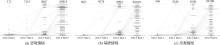
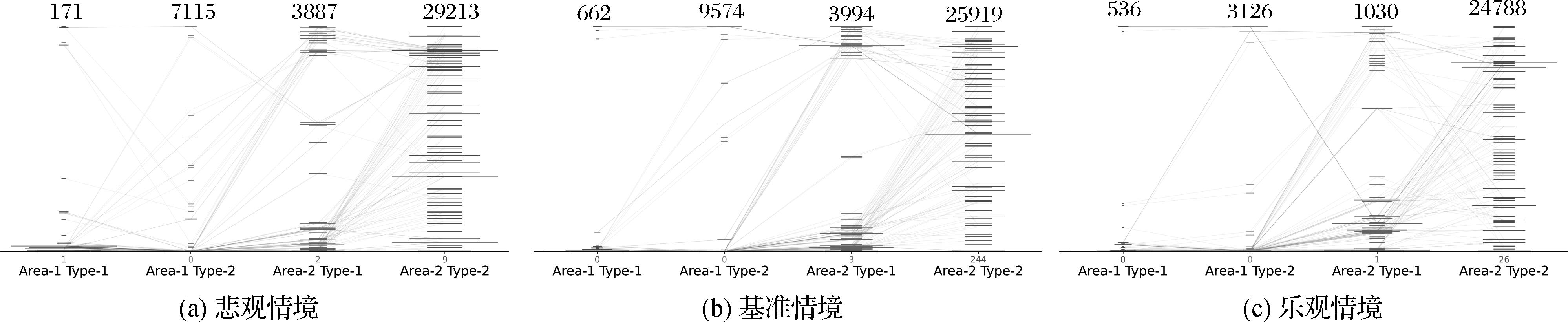
"
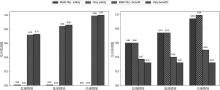
"

"
| 决策偏好 | 情境 | 区1类1 | 区1类2 | 区2类1 | 区2类2 | 游客总量 | 综合效益值 | 安全裕度 |
|---|---|---|---|---|---|---|---|---|
| 仅以效益为目标 | 悲观 | 261 | 8538 | 3521 | 11157 | 23477 | 0.7327 | 0.3152 |
| 基准 | 1331 | 9407 | 3891 | 11985 | 26614 | 0.8567 | 0.3162 | |
| 乐观 | 456 | 9973 | 1137 | 24100 | 35666 | 1 | 0.317 | |
| 仅以安全为目标 | 悲观 | 0 | 0 | 0 | 0 | 0 | 0 | 0.5976 |
| 基准 | 0 | 0 | 0 | 0 | 0 | 0 | 0.7368 | |
| 乐观 | 0 | 0 | 0 | 0 | 0 | 0 | 0.9857 | |
| 多目标优化-效益优先 | 悲观 | 10 | 7102 | 823 | 18526 | 26461 | 0.7221 | 0.3698 |
| 基准 | 3 | 7184 | 231 | 24295 | 31713 | 0.8419 | 0.3965 | |
| 乐观 | 5 | 6968 | 2292 | 25817 | 35082 | 0.9867 | 0.5006 | |
| 多目标优化-安全优先 | 悲观 | 0 | 1 | 4 | 22 | 27 | 0.0126 | 0.5973 |
| 基准 | 1 | 0 | 0 | 12 | 13 | 0.0053 | 0.7366 | |
| 乐观 | 1 | 2 | 1 | 48 | 52 | 0.0035 | 0.9393 |
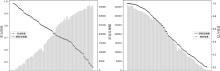
"
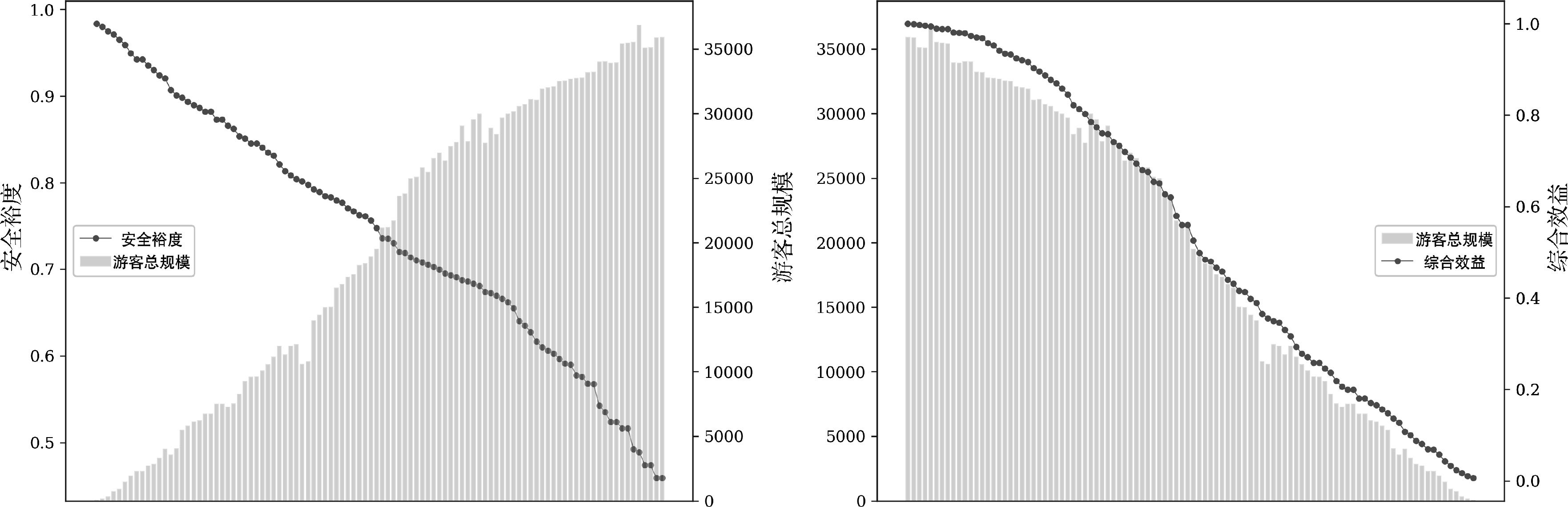
"
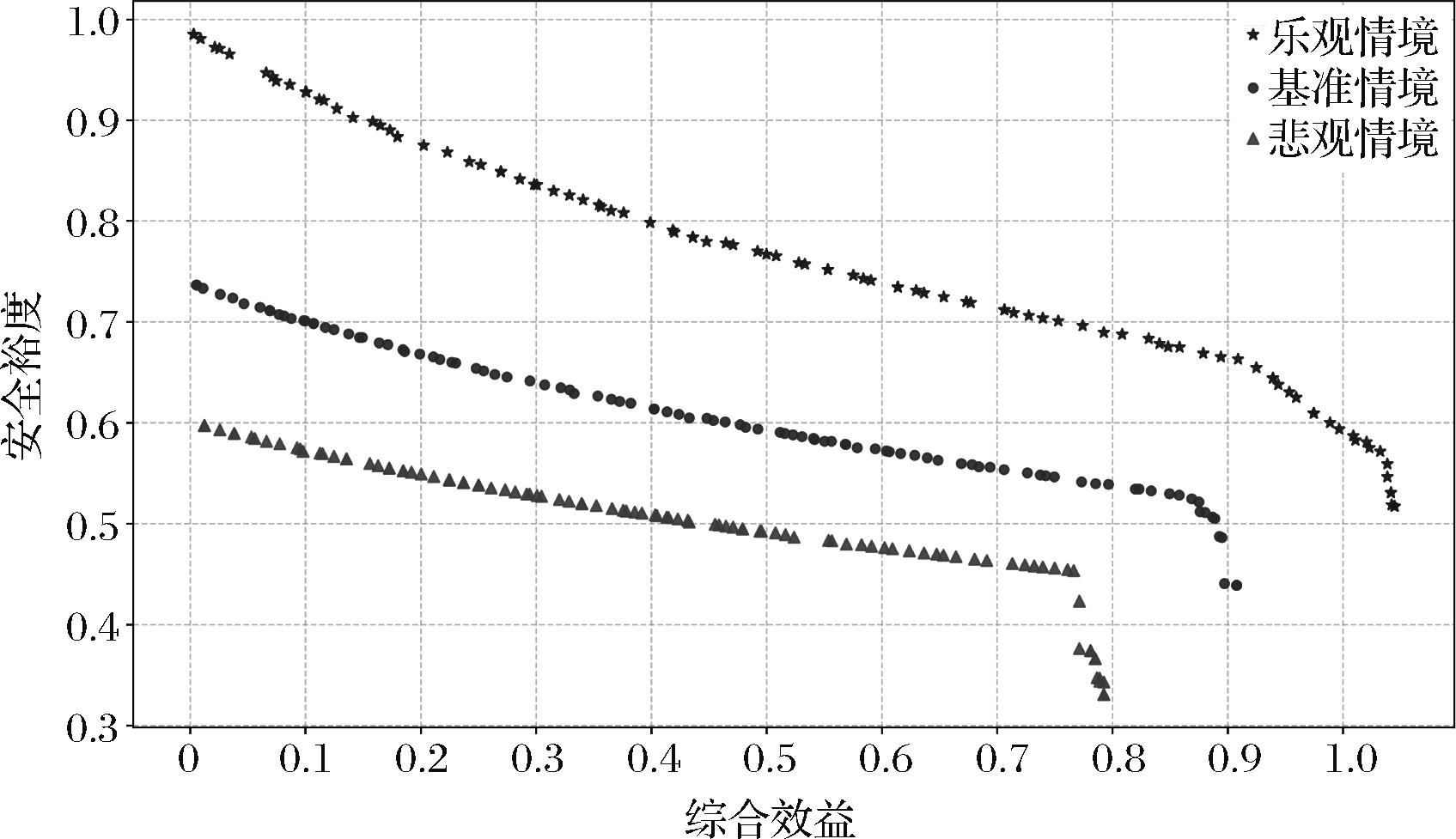
"
"
| 情境 | 区1类1 | 区1类2 | 区2类1 | 区2类2 | 游客 总量 | 综合 效益 | 安全 裕度 | |
|---|---|---|---|---|---|---|---|---|
| -20% | 悲观 | 1 | 4102 | 93 | 23153 | 27349 | 0.6814 | 0.3600 |
| 基准 | 8 | 13569 | 1076 | 16144 | 30797 | 0.8124 | 0.3537 | |
| 乐观 | 449 | 7458 | 2993 | 23093 | 33993 | 0.9210 | 0.3926 | |
| 基础设置 | 悲观 | 10 | 7102 | 823 | 18526 | 26461 | 0.7327 | 0.3698 |
| 基准 | 3 | 7184 | 231 | 24295 | 31713 | 0.8567 | 0.3965 | |
| 乐观 | 5 | 6968 | 2292 | 25817 | 35082 | 0.9867 | 0.5006 | |
| +20% | 悲观 | 6 | 10405 | 65 | 16533 | 27009 | 0.7924 | 0.3309 |
| 基准 | 14 | 5914 | 452 | 25051 | 31431 | 0.9076 | 0.4390 | |
| 乐观 | 453 | 6624 | 2953 | 23847 | 33877 | 1.0446 | 0.5175 |
| [1] | Bakota D, Machowski R, Płomiński A, et al. The disaster as a factor in the development of modern tourism. A study case based on the Chernobyl nuclear power plant[J]. Journal of Environmental Management and Tourism, 2020, 11(7): 1729. |
| [2] | Yang E C L, Nair V. Tourism at risk: A review of risk and perceived risk in tourism[J]. Asia-Pacific Journal of Innovation in Hospitality and Tourism (APJIHT), 2014, 3(2): 239-259. |
| [3] | 李鑫波, 贡金鑫. 核安全壳在钢衬里锈蚀情况下的概率安全分析[J]. 哈尔滨工程大学学报, 2024, 45(12): 2281-2289. |
| Li X B, Gong J X. Probabilistic safety analysis of nuclear containment under steel liner corrosion conditions[J]. Journal of Harbin Engineering University, 2024, 45(12): 2281-2289. | |
| [4] | Ji Y M, Qi M L. A robust optimization approach for decontamination planning of emergency planning zone: Facility location and assignment plan[J]. Socio-Economic Planning Sciences, 2020, 70: 100740. |
| [5] | 邹永广. 旅游安全评价:研究现状与述评[J]. 旅游学刊, 2020, 35(7): 133-146. |
| Zou Y G. A literature review and current research status on tourism safety evaluation[J]. Tourism Tribune, 2020, 35(7): 133-146. | |
| [6] | 周彬, 朱宇辰, 虞虎, 等. 旅游生态安全研究现状、评述与展望[J]. 生态学报, 2025, 45(3): 1049-1058. |
| Zhou B, Zhu Y C, Yu H, et al. Current state, critical review and future prospects of research on tourism ecological security[J]. Acta Ecologica Sinica, 2025, 45(3): 1049-1058. | |
| [7] | 刘伟, 代萍, 赵方雷, 等. 山岳型景区旅游安全风险评估: 以北京市为例[J]. 中国安全科学学报, 2024, 34(12): 168-177. |
| Liu W, Dai P, Zhao F L, et al. Tourism safety risk assessment in mountainous scenic areas: A case study of Beijing[J]. China Safety Science Journal, 2024, 34(12): 168-177. | |
| [8] | Badiora A I, Adedotun S B, Sobowale T O, et al. Safety and security assessment of tourist destinations: A field study in a Nigerian geopark: Safety and security assessment of tourist attraction sites[J]. Journal of Event, Tourism and Hospitality Studies, 2022, 2: 106-149. |
| [9] | Cui F, Liu Y, Chang Y, et al. An overview of tourism risk perception[J]. Natural Hazards, 2016, 82(1): 643-658. |
| [10] | 程占红, 程锦红, 朱紫翎, 等. 基于群落视角的五台山景区森林植被旅游承载力研究[J]. 生态学报, 2022, 42(8): 3144-3154. |
| Cheng Z H, Cheng J H, Zhu Z L, et al. Tourism carrying capacity of forest vegetation in Wutai Mountain scenic area based on community perspective[J]. Acta Ecologica Sinica, 2022, 42(8): 3144-3154. | |
| [11] | 李鹏, 李晨阳, 沈梦婷, 等. 自然保护地旅游承载力多情境核算——以云南泸沽湖为例[J]. 资源科学, 2022, 44(3): 620-633. |
| Li P, Li C Y, Shen M T, et al. Multi-scenario accounting of tourism carrying capacity in nature protected areas: Taking the Lugu Lake Nature Reserve in Yunnan as a case[J]. Resources Science, 2022, 44(3): 620-633. | |
| [12] | 杨秀平, 翁钢民, 马玉泉, 等. 参数不确定的旅游环境承载力区间多目标优化[J]. 统计与决策, 2018, 34(10): 58-61. |
| Yang X P, Weng G M, Ma Y Q, et al. Interval multi-objective optimization of tourism environmental carrying capacity with uncertain parameters[J]. Statistics Decision, 2018, 34(10): 58-61. | |
| [13] | Rahmafitria F, Pearce P L, Oktadiana H, et al. Tourism planning and planning theory: Historical roots and contemporary alignment[J]. Tourism Management Perspectives, 2020, 35: 100703. |
| [14] | Beirman D. The integration of emergency management and tourism[J]. Australian Journal of Emergency Management, 2011, 26(3): 30-34. |
| [15] | 纪雅敏, 祁明亮, 景奇. 基于系统动力学的场外核应急洗消设备配置问题研究[J]. 运筹与管理, 2018, 27(1): 1-6. |
| Ji Y M, Qi M L, Jing Q. Study on decontamination equipment allocation during off-site nuclear emergency based on system dynamics[J]. Operations Research and Management Science, 2018, 27(1): 1-6. | |
| [16] | 亓文辉, 祁明亮. 烟羽应急计划区公众撤离模式研究[J]. 运筹与管理, 2020, 29(9): 43-52. |
| Qi W H, Qi M L. Study on public evacuation mode of emergency planning zone[J]. Operations Research and Management Science, 2020, 29(9): 43-52. | |
| [17] | 亓文辉, 祁明亮, 纪雅敏. 应急撤离状态下烟羽应急计划区路网脆弱性评估[J]. 运筹与管理, 2024, 33(11): 1-8. |
| Qi W H, Qi M L, Ji Y M. Vulnerability assessment of road network in plume emergency planning zone for emergency evacuation[J]. Operations Research and Management Science, 2024, 33(11): 1-8. | |
| [18] | 亓文辉, 池宏, 祁明亮, 等.考虑居民动态决策的核应急撤离仿真研究[J].中国管理科学,2025,33(5): 259-267. |
| Qi W H, Chi H, Qi M L, et al. Simulation study on nuclear emergency evacuation considering residents' dynamic decision-making[J]. Chinese Journal of Management Science, 2025, 33(5): 259-267. | |
| [19] | Ji Y, Qi M, Qi W. The effect path of public acceptance and its influencing factors on public willingness to participate in nuclear emergency governance[J]. International Journal of Disaster Risk Reduction, 2022, 71: 102806. |
| [20] | Qi W H, Qi M L, Ji Y M. The effect path of public communication on public acceptance of nuclear energy[J]. Energy Policy, 2020, 144: 111655. |
| [21] | 亓文辉, 祁明亮. 核应急撤离情境下居民配合意愿影响机制研究——以海阳核电厂为例[J]. 中国管理科学, 2024, 32(12): 225-234. |
| Qi W H, Qi M L. Research on the effect path to resident cooperation intention under nuclear emergency evacuation scenarios: A case of Haiyang nuclear power plant[J]. Chinese Journal of Management Science, 2024, 32(12): 225-234. | |
| [22] | Li L, Feng R, Xi J, et al. Distinguishing the impact of tourism development on ecosystem service trade-offs in ecological functional zone[J]. Journal of Environmental Management, 2023, 342: 118183. |
| [23] | Arbolino R, Boffardi R, De Simone L, et al. Multi-objective optimization technique: A novel approach in tourism sustainability planning[J]. Journal of Environmental Management, 2021, 285: 112016. |
| [24] | Chen C, Reniers G. Chemical industry in China: The current status, safety problems, and pathways for future sustainable development[J]. Safety Science, 2020, 128: 104741. |
| [25] | 陈青, 王文明, 马明. 基于NSGA-Ⅱ算法的内蒙古沿黄地区乡村居住建筑多目标优化设计[J]. 干旱区资源与环境, 2023, 37(10): 75-83. |
| Chen Q, Wang W M, Ma M. NSGA-Ⅱalgorithm based multi-objective optimization design for rural residential buildings along the Yellow River, Inner Mongolia section[J]. Journal of Arid Land Resources and Environment, 2023, 37(10): 75-83. | |
| [26] | Thrane C, Farstad E. Domestic tourism expenditures: The non-linear effects of length of stay and travel party size[J]. Tourism Management, 2011, 32(1): 46-52. |
| [1] | Ru Yu, Xiaoli Wang, Xiaojun Xu, Lu Wang. Research on the Development Path of BEVs in China Based on Multi-objective Optimization [J]. Chinese Journal of Management Science, 2026, 34(8): 345-355. |
| [2] | Liping Liu, Rui Wang, Shilei Sun, Xiaofeng Gan, Tijun Fan. Transportation Network Optimization of Hazardous Chemicals Considering Risk Equity under Depot Disruptions [J]. Chinese Journal of Management Science, 2026, 34(6): 66-76. |
| [3] | Song Xue, Xu Chen, Chao Li, Jingchun Feng. Research on Miniature Multi-Project Scheduling of Service Project Enterprises Considering the Evolution of Human Resources Skills [J]. Chinese Journal of Management Science, 2025, 33(6): 96-104. |
| [4] | Guobin Wu, Yaqing Sun, Yulong Li. Research on Optimization of Tunnel Spoil Comprehensive Utilization of Mega Project Based on ESG Framework [J]. Chinese Journal of Management Science, 2025, 33(3): 174-185. |
| [5] | Tieke Li,Yixuan Su,Wenxin Zhang,Bailin Wang. Interval Multi-objective Optimal Scheduling for Steelmaking-continuous Casting with Processing Time Uncertainty [J]. Chinese Journal of Management Science, 2024, 32(8): 95-106. |
| [6] | Fuyu Wang,Haoxuan Xie,Zhonggao Lin,Jun Wang. Multi-objective Optimization Model and Adaptive Quantum Ant Colony Algorithm for Emergency Evacuation of High-speed Railway Stations under Emergencies [J]. Chinese Journal of Management Science, 2024, 32(3): 188-197. |
| [7] | Hui Li,Xi Wang,Zhiya Zuo. Multi-objective Integrated Optimization of Flexible Resource Allocation and Scheduling in the Aerospace Production Workshop [J]. Chinese Journal of Management Science, 2024, 32(10): 146-155. |
| [8] | Ming LIU, Xi-fen XU, Jie CAO. A Data-driven Optimization Model for Reallocating Dock-less Sharing Bikes with Considering Multiple Disruption Scenarios [J]. Chinese Journal of Management Science, 2023, 31(9): 148-158. |
| [9] |
Hai-yu WANG.
Economic-statistical Optimization Design of Dynamic |
| [10] | HU Xue-jun, ZHAO Yan, SHAN Mi-yuan, WANG Jian-jiang, BIE Li. An Adaptive Large Neighborhood Search Metaheuristic for Robust Multi-project Scheduling [J]. Chinese Journal of Management Science, 2022, 30(9): 217-231. |
| [11] | HU Yu-zhen, LI Qian-qian, JIANG Shan. Multi-Objective Optimization of Overseas Warehouse Location for Cross-border E-commerce Enterprises [J]. Chinese Journal of Management Science, 2022, 30(7): 201-209. |
| [12] | NIU Ben, , GUO Chen, TANG Heng. Multi-objective Multi-learning Bacterial Foraging Optimization Algorithm for Mixed Data Clustering [J]. Chinese Journal of Management Science, 2022, 30(12): 131-140. |
| [13] | XU Xiao-feng, LIN Zi-ru, ZHOU Peng. Research on Vehicle Routing Problem of Multiple Oil Depot Passive Distribution under Multi Oil Supply Constraints [J]. Chinese Journal of Management Science, 2021, 29(5): 157-165. |
| [14] | PENG Wu-liang, MA Xiao-jing. A Bi-objective Optimization Method for Tactical Project Planning [J]. Chinese Journal of Management Science, 2021, 29(2): 69-77. |
| [15] | DONG Xue-fan, LIU Yi-jun, LIAN Ying. Entropy-Controlled Principle based Multi-objective Industrial Structure Optimization Model in the Tertiary Industry:A Case Study of Beijing [J]. Chinese Journal of Management Science, 2017, 25(9): 53-62. |
| Viewed | ||||||
|
Full text |
|
|||||
|
Abstract |
|
|||||
|
||
