
主管:中国科学院
主办:中国优选法统筹法与经济数学研究会
中国科学院科技战略咨询研究院
主办:中国优选法统筹法与经济数学研究会
中国科学院科技战略咨询研究院

Chinese Journal of Management Science ›› 2026, Vol. 34 ›› Issue (10): 69-79.doi: 10.16381/j.cnki.issn1003-207x.2024.0286
Previous Articles Next Articles
Minghui Qian1, Anyi Fan2( ), Yaolin Wan3
Received:2024-03-05
Revised:2025-09-09
Online:2026-10-25
Published:2026-10-09
Contact:
Anyi Fan
E-mail:anyi_fan@163.com
CLC Number:
Minghui Qian,Anyi Fan,Yaolin Wan. A Study on Brand Attribute Extraction and Personalized Preference Recognition Model Based on Consumer Expressions[J]. Chinese Journal of Management Science, 2026, 34(10): 69-79.

"
| 主维度 | 子维度 | 具体风格 |
|---|---|---|
| 产品特征 | 外观设计 | 华丽奢华型、简约朴素型、复古经典型、时尚潮流型、可爱甜美型、性感魅惑型、自然清新型、科技未来型 |
| 质地感受 | 滋润保湿型、轻薄透气型、厚重浓郁型、顺滑丝绒型、哑光雾面型、水光光泽型、丝滑柔顺型、黏稠浓密型 | |
| 功效表现 | 显色饱满型、持久长效型、自然裸妆型、修饰遮瑕型、防水防汗型、速干快干型、温和修复型、高效滋养型 | |
| 材料成分 | 天然有机型、科技成分型、植物提取型、矿物成分型、化学合成型、生物发酵型、专利配方型 | |
| 价值感知 | 价格定位 | 实惠亲民型、轻奢中端型、高端奢侈型、专业小众型、平价入门型、豪华顶级型、定制专属型 |
| 性价比评价 | 经济实惠型、奢侈溢价型、情感价值型、社交价值型 | |
| 品牌形象 | 市场定位 | 奢侈高端形象、大众亲民形象、网红潮流形象、经典传统形象、时尚先锋形象、青春活力形象、成熟稳重形象、专业权威形象 |
| 专业程度 | 实验室科研型、技术专利型、创新突破型、专业认证型、行业标准型、资质权威型、国际认证型、质量管理型、行业权威型 | |
社会认同与 精神价值 | 身份表达 | 精英成功型、年轻潮流型、文艺知性型、个性独特型、务实实用型、高端商务型、时尚达人型、品质生活型 |
| 群体归属 | 主流群体型、亚文化群体型、专业社群型、小众圈层型、文化圈层型、兴趣社群型、职业群体型、年龄分层型 | |
| 价值观共鸣 | 环保可持续型、国货民族型、女性平权型、科技创新型、传统匠心型、公益责任型、健康生活型、文化传承型 |
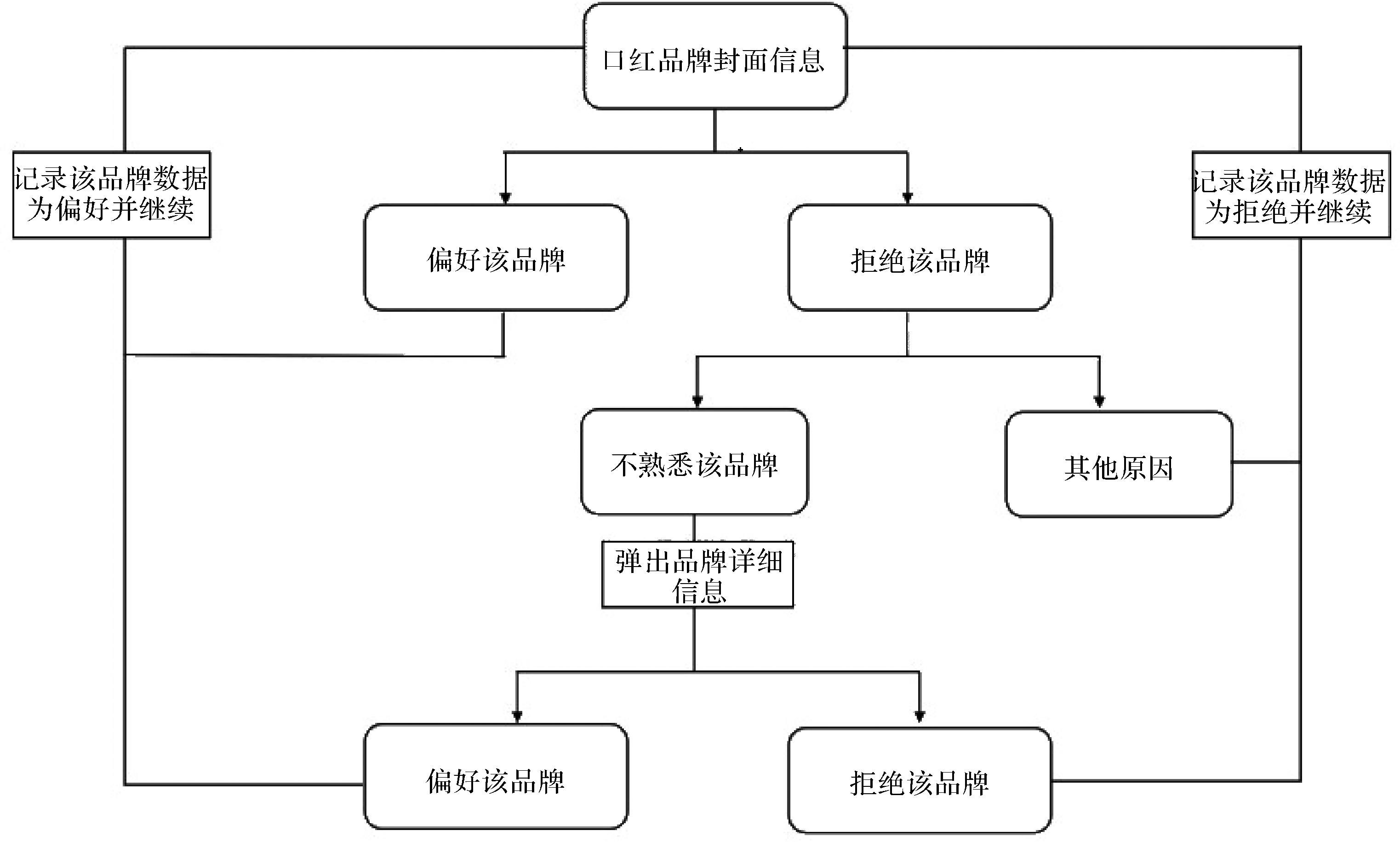
"
"

"
| 模型 | 准确率 | 精确率 | 召回率 | F1-measure |
|---|---|---|---|---|
| 逻辑回归 | 0.709 | 0.720 | 0.835 | 0.774 |
| 支持向量机 | 0.729 | 0.749 | 0.820 | 0.783 |
| 随机森林 | 0.741 | 0.750 | 0.848 | 0.796 |
| 梯度提升树 | 0.740 | 0.748 | 0.848 | 0.795 |
| K近邻 | 0.693 | 0.716 | 0.804 | 0.758 |
"
"
| [1] | 黄升民, 张驰. 改革开放四十年中国企业品牌的成长动力考察[J]. 现代传播(中国传媒大学学报), 2018, 40(9): 1-12. |
| Huang S M, Zhang C. Dynamics of Chinese enterprises' brands in the past 40 years since the reform and opening-up policy[J]. Modern Communication (Journal of Communication University of China), 2018, 40(9): 1-12. | |
| [2] | 陈航, 吴志远. 消费升级背景下企业品牌传播与质量提升路径研究[J]. 学习与实践, 2018(8): 44-49. |
| Chen H, Wu Z Y. Research on enterprise brand communication and quality improvement path under the background of consumption upgrade[J]. Study and Practice, 2018(8): 44-49. | |
| [3] | 刘世峰, 康来松, 宫大庆. 面向群组的事件兴趣点推荐算法研究[J].中国管理科学,2023, 31(12): 301-310. |
| Liu S F, Kang L S, Gong D Q. An event POI recommendation system for groups in EBSN[J]. Chinese Journal of Management Science, 2023, 31(12): 301-310. | |
| [4] | Merad D, Drap P, Lufimpu-Luviya Y, et al. Purchase behavior analysis through gaze and gesture observation[J]. Pattern Recognition Letters, 2016, 81: 21-29. |
| [5] | Modarresi K. Recommendation system based on complete personalization[J]. Procedia Computer Science, 2016, 80: 2190-2204. |
| [6] | Linden G, Smith B, York J. Amazon.com recommendations: Item-to-item collaborative filtering[J]. IEEE Internet Computing, 2003, 7(1): 76-80. |
| [7] | 万珍妮, 马晓云, 方姣姣. 品牌民族符号对消费者品牌选择的影响[J]. 首都经济贸易大学学报, 2018, 20(1): 59-68. |
| Wan Z N, Ma X Y, Fang J J. The impact of national brand symbol on brand choice of consumers[J]. Journal of Capital University of Economics and Business, 2018, 20(1): 59-68. | |
| [8] | 卢长宝, 胡珮姗. 懒惰的消费者如何决策?——基于线索效用理论的消费者认知吝啬研究综述及营销启示[J]. 外国经济与管理, 2018, 40(8): 58-70. |
| Lu C B, Hu P S. A literature review of the consumer cognitive miserliness behavior and its marketing implications: Based on the framework of the cue utilization theory[J]. Foreign Economics & Management, 2018, 40(8): 58-70. | |
| [9] | Fu S, Yan Q, Feng G C,et al. Which review can make you engage? The effect of reviewer-reader similarity on consumer-brand engagement[J].Journal of Global Information Management (JGIM), 2021, 29(29):1-27. |
| [10] | Saridakis C, Katsikeas C S, Angelidou S, et al. Mining Twitter lists to extract brand-related associative information for celebrity endorsement[J]. European Journal of Operational Research, 2023, 311(1): 316-332. |
| [11] | Keller K L. Strategic brand management: Building, measuring, and managing brand equity [M]. 4th ed. Hoboken, NJ: Prentice Hall, 2013. |
| [12] | John D R, Loken B, Kim K, et al. Brand concept maps: A methodology for identifying brand association networks[J]. Journal of Marketing Research, 2006, 43(4): 549-563. |
| [13] | 何佳讯, 吴漪, 谢润琦. 中国元素是否有效: 全球品牌全球本土化战略的消费者态度研究——基于刻板印象一致性视角[J]. 华东师范大学学报(哲学社会科学版), 2014, 46(5): 131-145+182. |
| He J X, Wu Y, Xie R Q. Do Chinese elements matter? Consumer evaluation on the localized adaption strategy for global brands from the perspective of stereotype consistency[J]. Journal of East China Normal University (Humanities and Social Sciences), 2014, 46(5): 131-145+182. | |
| [14] | 许晖, 张海军, 冯永春. 传承还是重塑? 本土老字号品牌活化模式与机制研究——基于品牌真实性与价值迁移视角[J]. 管理世界, 2018, 34(4): 146-161. |
| Xu H, Zhang H J, Feng Y C. Inheriting or rebranding? The revitalizing model and mechanism of corporate heritage brand of China[J]. Journal of Management World, 2018, 34(4): 146-161. | |
| [15] | 许倩. 我国社交媒体品牌个性维度构建的实证研究[J]. 企业经济, 2018, 37(9): 96-102. |
| Xu Q. An empirical study on the construction of personality dimension of social media brands in China[J]. Enterprise Economy, 2018, 37(9): 96-102. | |
| [16] | Sirgy M J. Self-concept in consumer behavior: A critical review[J]. Journal of Consumer Research, 1982, 9(3): 287. |
| [17] | Thorbjørnsen H, Supphellen M, Nysveen H, et al. Building brand relationships online: A comparison of two interactive applications[J]. Journal of Interactive Marketing, 2002, 16(3): 17-34. |
| [18] | Abosag I, Ramadan Z B, Baker T, et al. Customers' need for uniqueness theory versus brand congruence theory: The impact on satisfaction with social network sites[J]. Journal of Business Research, 2020, 117: 862-872. |
| [19] | 郭晓凌, 张逸聪, 刘浩. 中国传统与现代文化混搭产品的消费者态度研究——一个有调节的双中介模型[J]. 国际商务(对外经济贸易大学学报), 2022(3): 140-156. |
| Guo X L, Zhang Y C, Liu H. Consumer’s attitude toward traditional and modern culturally mixed products—a moderated mediation model[J]. International Business, 2022(3): 140-156. | |
| [20] | 黄海洋, 何佳讯. 融入中国元素: 文化认同对全球品牌产品购买可能性的影响机制研究[J]. 外国经济与管理, 2017, 39(4): 84-97. |
| Huang H Y, He J X. Incorporating Chinese elements: On the effect of culture identity on purchasing likelihood of global brands' products[J]. Foreign Economics & Management, 2017, 39(4): 84-97. | |
| [21] | 韩欣颖,杜建刚. 悲喜交加:混合情绪对多维度属性评分产品偏好的影响研究[J/OL].南开管理评论,2025. . |
| Han X Y, Du J G. Bittersweet feelings and consumer choice: The role of mixed emotions in multi-attribute product decisions[J/OL].Nankai Business Review,2025.. | |
| [22] | 张紫琼, 吴玉婵, 叶强, 等. 数字人营销: 理论框架、研究进展与未来方向[J]. 中国管理科学, 2025, 33(1): 259-272. |
| Zhang Z Q, Wu Y C, Ye Q, et al. Digital human marketing: Theoretical framework, research progress, and future directions[J]. Chinese Journal of Management Science, 2025, 33(1): 259-272. | |
| [23] | 周一佳, 石忠义. 消费者诚意动机感知对绿色品牌价值共创意愿的影响——基于自我概念一致性的作用研究[J]. 商业经济研究, 2023(14): 38-42. |
| Zhou Y J, Shi Z Y. The influence of consumers' perception of sincerity motivation on the intention of green brand value co-creation: Based on the role of self-concept consistency[J]. Journal of Commercial Economics, 2023(14): 38-42. | |
| [24] | Herr P M, Farquhar P H, Fazio R H. Impact of dominance and relatedness on brand extensions[J]. Journal of Consumer Psychology, 1996, 5(2): 135-159. |
| [25] | 何浏, 肖纯, 梁金定. 相似度对品牌延伸评价的影响研究[J]. 软科学, 2011, 25(5): 47-52+68. |
| He L, Xiao C, Liang J D. Research on the impact of the similarity on the brand extension evaluation[J]. Soft Science, 2011, 25(5): 47-52+68. | |
| [26] | 张婧, 杜明飞. 模仿策略、感知相似性与品牌评价的关系研究[J]. 管理学报, 2018, 15(4): 557-568. |
| Zhang J, Du M F. Research on relationship among imitation strategy, perceived similarity and brand evaluation[J]. Chinese Journal of Management, 2018, 15(4): 557-568. | |
| [27] | 杨晶, 李先国, 王小洋. 品牌联盟对合伙品牌个性的稀释作用研究[J]. 中国软科学, 2015(10): 125-133. |
| Yang J, Li X G, Wang X Y. The dilution effect of brand alliance on personality of partner brand[J]. China Soft Science, 2015(10): 125-133. | |
| [28] | 孙曰瑶, 尚豫新. 双渠道供应链制造商品牌决策机制研究——基于品类比较模型[J]. 华东经济管理, 2019, 33(4): 141-147. |
| Sun Y Y, Shang Y X. Research on manufacturer’s brand decision mechanism in dual-channel supply chain: Based on category comparison model[J]. East China Economic Management,2019, 33(4): 141-147. | |
| [29] | 林少龙, 骆少康, 纪婉萍. 延伸相似度对于品牌延伸的成功重要吗——消费者多样化寻觅与内在控制的调节角色[J]. 南开管理评论, 2014, 17(6): 139-148. |
| Lin S L, Luo S K, Ji W P. Is extension similarity important for the success of brand extension? The moderating role of consumer’s variety-seeking and internal control[J]. Nankai Business Review, 2014, 17(6): 139-148. | |
| [30] | 李东进, 张成虎, 马明龙. 脱销情境下消费者会购买相似品吗——自我建构视角的分析[J]. 南开管理评论, 2016, 19(3): 98-109+122. |
| Li D J, Zhang C H, Ma M L. Will similar products be chosen under the out-of-stock situation? Analysis on the perspective of self-construal[J]. Nankai Business Review, 2016, 19(3): 98-109+122. | |
| [31] | Gai P J, Klesse A K. Making recommendations more effective through framings: Impacts of user- versus item-based framings on recommendation click-throughs[J]. Journal of Marketing, 2019, 83(6): 61-75. |
| [32] | 张紫嫣, 周驰. 结合类别偏好的协同过滤推荐算法[J]. 计算机应用与软件, 2021, 38(1): 293-296. |
| Zhang Z Y, Zhou C. Collaborative filtering recommendation algorithm combined with category preference[J]. Computer Applications and Software, 2021, 38(1): 293-296. | |
| [33] | Zhang K, Bhattacharyya S, Ram S. Large-scale network analysis for online social brand Advertising1[J]. MIS Quarterly, 2016, 40(4): 849-868. |
| [34] | 黄京华, 金悦, 张晶. 企业微博如何提升消费者忠诚度——基于社会认同理论的实证研究[J]. 南开管理评论, 2016, 19(4): 159-168. |
| Huang J H, Jin Y, Zhang J. How can enterprise microblogging improve consumer loyalty? An empirical study based on social identity theory[J]. Nankai Business Review, 2016, 19(4): 159-168. | |
| [35] | 刘红艳, 魏伟, 卫海英. 非目标消费群体品牌使用行为对目标消费者品牌态度的影响——自我建构的调节作用[J]. 管理评论, 2017, 29(8): 110-120. |
| Liu H Y, Wei W, Wei H Y. The effects of non-target consumers' brand usage on target consumers' brand attitude: The moderating effect of self construal[J]. Management Review, 2017, 29(8): 110-120. | |
| [36] | Parker J R, Lehmann D R. When shelf-based scarcity impacts consumer preferences[J]. Journal of Retailing, 2011, 87(2): 142-155. |
| [37] | 尚光辉, 陈科, 宋太淋. 框架效应对购买意愿影响的实证检验[J]. 统计与决策, 2020, 36(22): 181-184. |
| Shang G H, Chen K, Song T L. An empirical test on the influence of frame effect on purchase intention[J]. Statistics & Decision, 2020, 36(22): 181-184. | |
| [38] | Feldman J M, Lynch J G. Self-generated validity and other effects of measurement on belief, attitude, intention, and behavior[J]. Journal of Applied Psychology, 1988, 73(3): 421-435. |
| [1] | Jialing Dai, Jianming Zhu, Guoqing Wang, Jun Huang. Net Positive Information Diffusion Activity Maximizing in Signed Online Social Networks [J]. Chinese Journal of Management Science, 2025, 33(3): 139-150. |
| [2] | YAN Meng-ying, AI Shi-zhong, DU Rong. Research on the Strategies Choice of Participating in CYKS Platform [J]. Chinese Journal of Management Science, 2023, 31(4): 130-141. |
| [3] | Shi-feng LIU,Lai-song KANG,Da-qing GONG. An Event POI Recommendation System for Groups in EBSN [J]. Chinese Journal of Management Science, 2023, 31(12): 301-310. |
| [4] | WANG Yu-hang, DANG Yan-zhong, XU Zhao-guang. Mining Automobile Quality Problems Based on the Characteristics of Forum Data [J]. Chinese Journal of Management Science, 2021, 29(9): 201-212. |
| [5] | YANG Li, ZHAO Cui-cui, CHEN Xiao-hong. Research on Credit Risk Mitigation Mechanisms of Peer-to-peer Lending Based on Social Network [J]. Chinese Journal of Management Science, 2018, 26(1): 47-56. |
| [6] | JING Nan, WANG Jian-xia, XU Hao, BIAN Yi-wen. Friend Recommendation Algorithm based on User Relations in Social Networks [J]. Chinese Journal of Management Science, 2017, 25(3): 164-171. |
| [7] | WANG Yi, LIANG Xun, FU Hong-jiao, XU Zhi-ming. Mechanism and Quantity Modeling of Information Diffusion in Social Networks [J]. Chinese Journal of Management Science, 2017, 25(12): 147-157. |
| Viewed | ||||||
|
Full text |
|
|||||
|
Abstract |
|
|||||
|
||
