
主管:中国科学院
主办:中国优选法统筹法与经济数学研究会
中国科学院科技战略咨询研究院
主办:中国优选法统筹法与经济数学研究会
中国科学院科技战略咨询研究院

Chinese Journal of Management Science ›› 2024, Vol. 32 ›› Issue (11): 233-242.doi: 10.16381/j.cnki.issn1003-207x.2023.1755
Previous Articles Next Articles
Tianjiao Li1, Dehai Liu2( )
)
Received:2023-10-22
Revised:2024-03-11
Online:2024-11-25
Published:2024-12-09
Contact:
Dehai Liu
CLC Number:
Tianjiao Li,Dehai Liu. Research of Territorial Inner Principal on Material Dynamic Allocation for Sudden Public Health Events Based on Differential Games[J]. Chinese Journal of Management Science, 2024, 32(11): 233-242.

"


"
| 级别 | 事件级别 | 事件定义 | 上报机关 |
|---|---|---|---|
| Ⅳ | 一般突发公共卫生事件 | 伤亡10人以上、29人以下,死亡和危重病超过1例的突发公共事件,及其他危害公众生命安全事件 | 地级行政区人民政府 |
| Ⅲ | 较大突发公共卫生事件 | 伤亡30人以上、49人以下,死亡和危重病超过3例的突发公共事件,及其他危害公众生命安全事件 | 地级行政区人民政府 |
| Ⅱ | 重大公共卫生突发事件 | 跨市(地)有严重人员伤亡的突发公共事件,及其他需要医疗卫生紧急救援事件 | 省级政府派出专家组 |
| Ⅰ | 特别重大突发公共卫生事件 | 跨省(区、市)有特别严重伤亡的突发公共事件,及其他医疗卫生紧急救援事件 | 国务院派出专家指导组 |
"
| 符号 | 说明 |
|---|---|
| 参数 | |
| 属地内部调配成本系数 | |
| 外部省份调配成本系数 | |
| 物资的库存成本系数 | |
| 物资的折旧成本系数, | |
| 感染患者比率 | |
| 易感患者比率 | |
| 康复患者比率, | |
| 政府物资调配努力程度 | |
| 患者获得调配物资后的康复概率 | |
| 属地内部满足受助地需求比例, | |
| 属地内部调配物资比例, | |
| 受助地固定物资需求量, | |
| 变量 | |
| t时刻物资库存数量, | |
| t时刻物资调配获得的社会经济效, | |
| t时刻物资调配总量, | |
| t时刻受助地的物资需求量, | |
| 函数 | |
| 属地内部物资调配成本函数 | |
| 外部省份物资调配成本函数 | |
| 物资库存成本函数 | |
| 属地内部物资调配模式的社会经济效用 | |
| 统筹内外部省份物资调配模式的社会经济效用,包含属地内效用 和外部省市效用 |
"
| 武汉新冠疫情 大白菜(元/千克) | 西安疫情小波峰 大白菜(元/千克) | ||
|---|---|---|---|
| 湖北省内调配成本 | 0.2 | 陕西省内调配成本 | 0.4 |
| 外部调配成本 | 0.6 | 外部调配成本 | 0.7 |
| 物资库存管理成本 | 0.3 | 物资库存管理成本 | 0.5 |
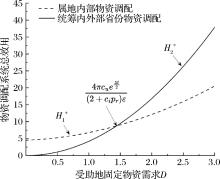
"
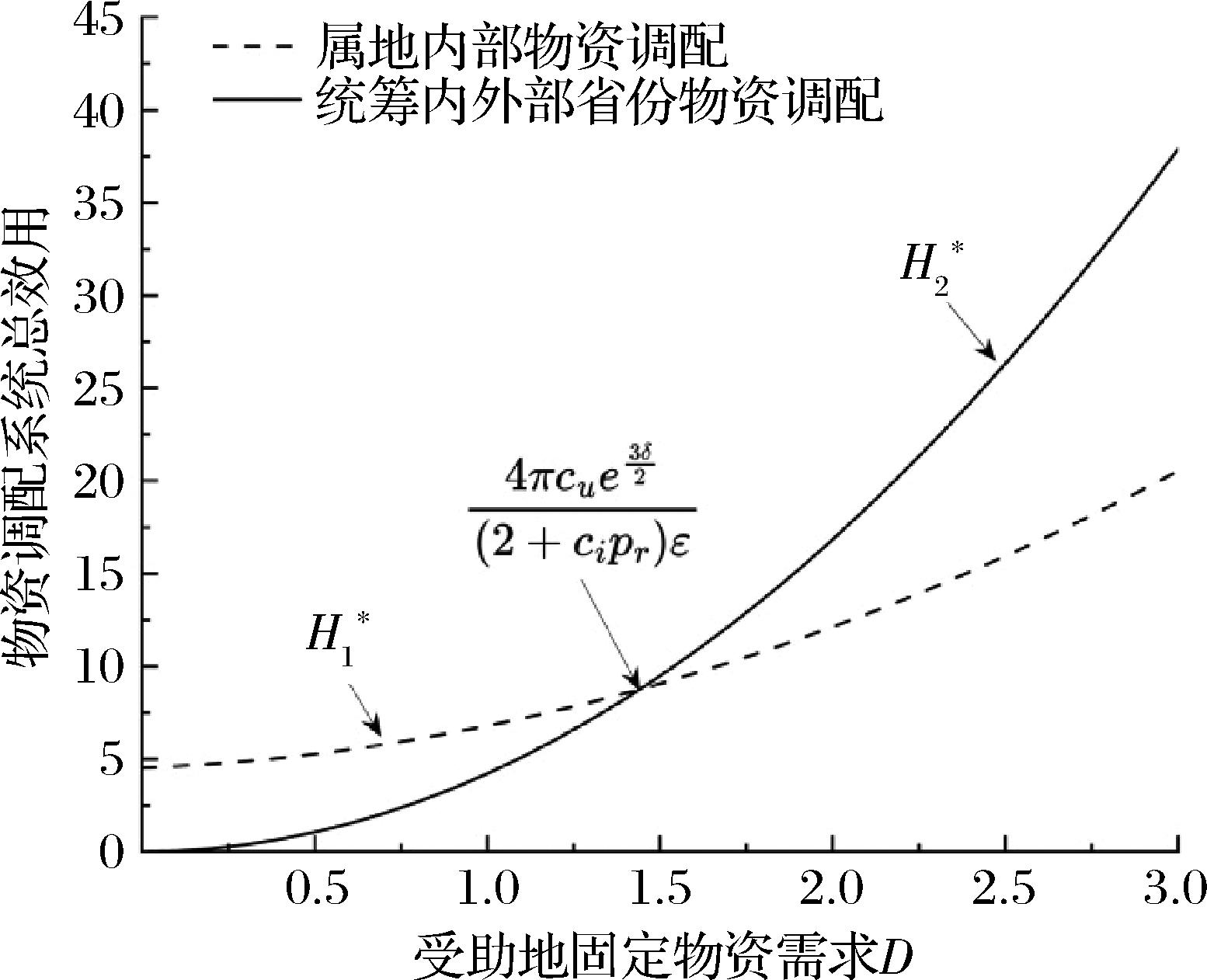
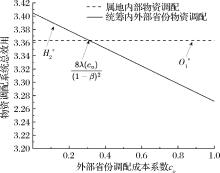
"

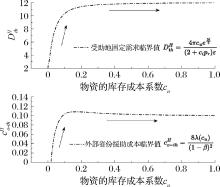
"

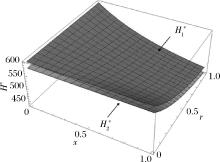
"

| 1 |
Xinhua News Agency. Under the joint prevention and control of the China State Council, the epidemic in some areas is generally under control, and the epidemic in Xi An is on a dynamic downward trend[EB/OL].(2022-01-08)[2023-10-25].
|
| 2 |
石彪, 薛旭旭, 池宏, 等. 应急预案的执行状态优化问题研究[J]. 中国管理科学, 2017, 25(3):156-163.
|
|
|
|
| 3 |
张梦玲, 王晶, 黄钧, 等. 基于手机定位数据的突发事件下道路修复和物资配送集成优化研究[J]. 中国管理科学, 2021, 29(3):133-142.
|
|
|
|
| 4 |
Xinhua News Agency. Will the food basket be stable when the epidemic happens? Visit Xi An vegetable supply base[EB/OL].(2021-12-20)[2023-10-25].
|
| 5 |
Xinhua News Agency. The first response was launched in 30 provinces of China, with personnel and supplies to support rapid donations for Wu Han[EB/OL].(2020-01-26)[2023-10-25].
|
| 6 |
Xinhua News Agency. The department of the China allocated 20 million to COVID-19 prevention and control in Xi An, Shan Xi Province[EB/OL].(2021-12-30)[2023-10-25].
|
| 7 |
石彪, 池宏, 祁明亮, 等. 资源约束下的应急预案重构方法研究[J]. 中国管理科学, 2017, 25(1):117-128.
|
|
|
|
| 8 |
|
| 9 |
|
| 10 |
|
| 11 |
张梦玲, 王晶, 黄钧. 不确定需求下考虑供应商参与机制的应急资源配置鲁棒优化研究[J]. 中国管理科学, 2020, 28(7):102-111.
|
|
|
|
| 12 |
刘长石, 寇纲, 刘导波. 震后应急物资多方式供应的模糊动态LRP[J]. 管理科学学报,2016,19(10):61-72.
|
|
|
|
| 13 |
魏宇琪, 杨敏, 梁樑. 基于生命周期的模块化应急物资联动预储研究[J]. 系统工程理论与实践,2021,41(4):979-994.
|
|
|
|
| 14 |
刘彤心, 吴敏莲, 王伟, 等. 需求不确定下防汛物资储备成本效率优化[J]. 系统工程理论与实践, 2022,42(7):1952-1963.
|
|
|
|
| 15 |
林琪, 赵秋红, 倪冬梅. 考虑关联与替代关系的应急物 资储备量模型[J]. 管理科学学报,2018,21(8):112-126.
|
|
|
|
| 16 |
刘舒悦, 朱建明, 黄钧, 等. 地震救援中基于信息实时更新的两阶段应急物资调配模型[J]. 中国管理科学, 2016, 24(9):124-132.
|
|
|
|
| 17 |
刘德海,王维国,孙康. 基于演化博弈的重大突发公共卫生事件情景预测模型与防控措施[J]. 系统工程理论与实践,2012,32(5):937-946.
|
|
|
|
| 18 |
扈衷权, 田军, 王鹏, 等. 政企联合储备模式下应急物资储备及采购定价研究[J].系统工程理论与实践, 2020, 40(12):3181-3193.
|
|
|
|
| 19 |
|
| 20 |
王长峰, 庄文英. 基于动态微分博弈理论的工程应急决策研究[J].中国管理科学, 2017,25(10):179-186.
|
|
|
|
| 21 |
赵黎明,李聪,郭祥. 基于微分博弈的政企救灾合作策略研究[J].系统工程理论与实践,2018,38(4):885-898.
|
|
|
|
| 22 |
曲冲冲, 王晶, 黄钧, 等. 考虑时效与公平性的震后应急物资动态配送优化研究[J]. 中国管理科学, 2018, 26(6):178-187.
|
|
|
|
| 23 |
于瑛英, 池宏, 祁明亮. 针对存在传染效应突发事件的资源布局问题研究[J]. 中国管理科学, 2008, 16(5):77-83.
|
|
|
|
| 24 |
刘德海. 中国强势政府主导救灾模式的成功经验与新挑战[J]. 电子科技大学学报(社科版),2018,20(5):35-40.
|
|
|
|
| 25 |
刘德海, 赵悦, 张旭. 考虑信息搜索的环境污染群体性事件最优决策模型[J]. 中国管理科学, 2022, 30(8):1-11.
|
|
|
|
| 26 |
|
| 27 |
Ministry of National Defense of the People's Republic of China. The winning codes of China’s fight against the epidemic[EB/OL].(2020-06-06)[2023-10-25].
|
| 28 |
|
| 29 |
Xinhua News Agency. A shared memory of 1.4 billion Chinese people——The State Information Office held a conference focused on Chinese actions against COVID-19[EB/OL].(2020-06-08)[2023-10-25].
|
| 30 |
中华人民共和国应急管理部. 国家突发公共事件总体应急预案[EB/OL].(2006-02-20)[2023-10-25].
|
|
Ministry of Emergency Management of the People’s Republic of China.National general emergency response plan for public emergency[EB/OL].(2006-02-20)[2023-10-25].
|
| Viewed | ||||||
|
Full text |
|
|||||
|
Abstract |
|
|||||
|
||
