
主管:中国科学院
主办:中国优选法统筹法与经济数学研究会
中国科学院科技战略咨询研究院
主办:中国优选法统筹法与经济数学研究会
中国科学院科技战略咨询研究院

Chinese Journal of Management Science ›› 2026, Vol. 34 ›› Issue (6): 215-227.doi: 10.16381/j.cnki.issn1003-207x.2023.1302
Previous Articles Next Articles
Faming Zhang1( ), Luping Lin1, Zhaoqing Ye2
Received:2023-08-15
Revised:2023-11-22
Online:2026-06-25
Published:2026-05-22
Contact:
Faming Zhang
E-mail:zfm1214@163.com
CLC Number:
Faming Zhang,Luping Lin,Zhaoqing Ye. A Multi-attribute Large Group Decision-making Method Considering Modular Distrust Relationships under Group Intelligence[J]. Chinese Journal of Management Science, 2026, 34(6): 215-227.

"
| 邻接矩阵 | 图论 | 代数式 |
|---|---|---|
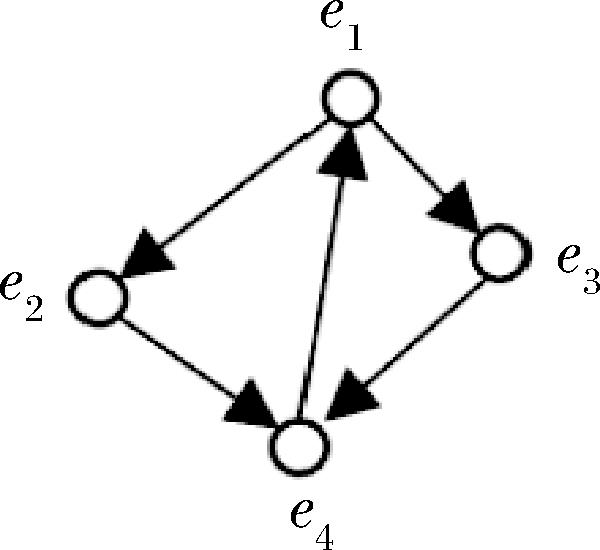 |
"
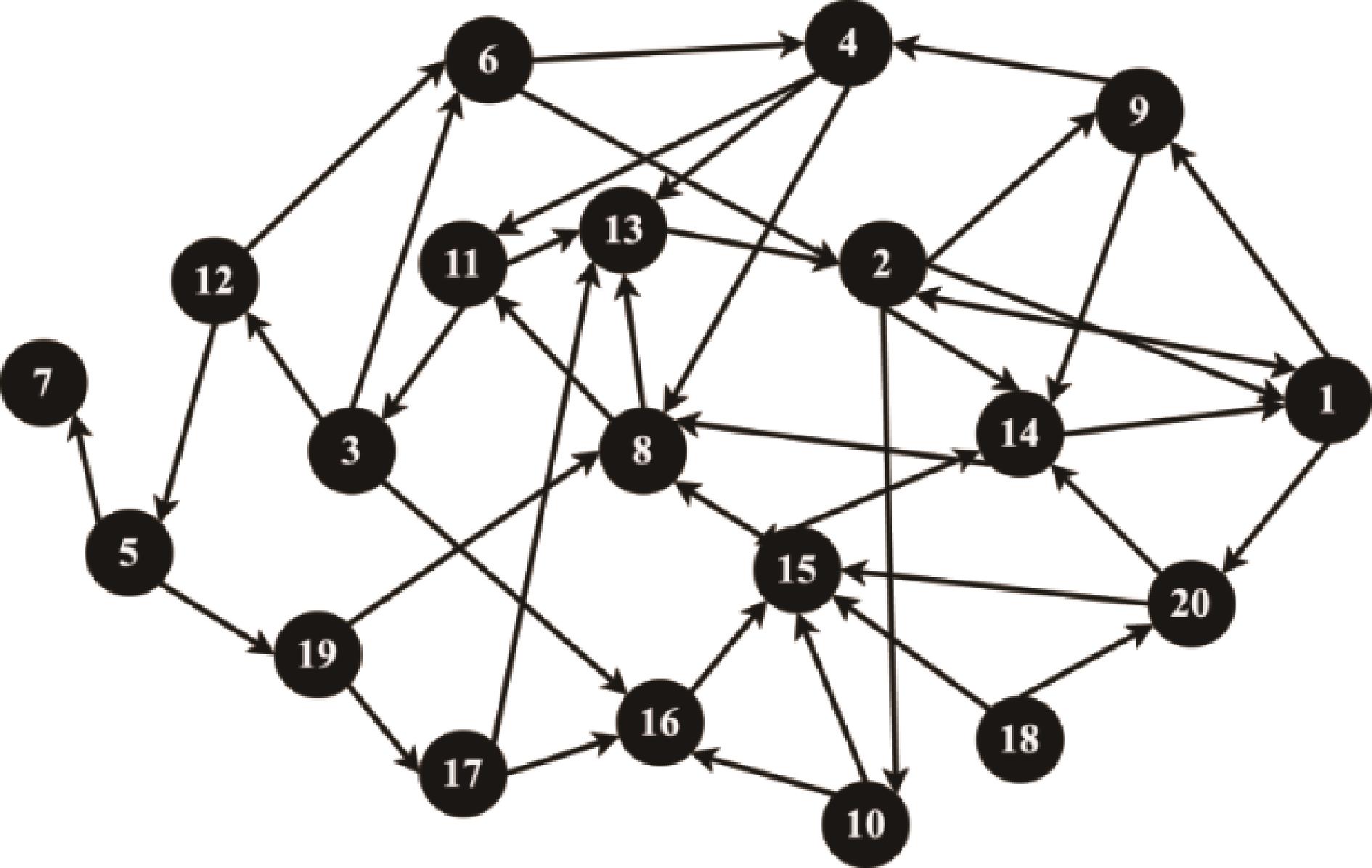
"
| 专家 | 方案 | |||
|---|---|---|---|---|
| ([0.90,0.91], [0.00,0.01]) | ([0.50,0.51], [0.40,0.41]) | ([0.70,0.71], [0.20,0.21]) | ||
| ([0.25,0.26], [0.60,0.61]) | ([0.50,0.51], [0.40,0.41]) | ([0.70,0.71], [0.20,0.21]) | ||
| ([0.50,0.51], [0.40,0.41]) | ([0.25,0.26], [0.60,0.61]) | ([0.70,0.71], [0.20,0.21]) | ||
| ([0.60,0.61], [0.30,0.31]) | ([0.70,0.71], [0.20,0.21]) | ([0.25,0.26], [0.60,0.61]) | ||
| ([0.25,0.26], [0.60,0.61]) | ([0.70,0.71], [0.20,0.21]) | ([0.90,0.91], [0.00,0.01]) | ||
| ([0.60,0.61], [0.30,0.31]) | ([0.25,0.26], [0.60,0.61]) | ([0.40,0.41], [0.50,0.51]) | ||
| ([0.70,0.71], [0.20,0.21]) | ([0.80,0.81], [0.10,0.11]) | ([0.80,0.81], [0.10,0.11]) | ||
| ([0.10,0.11], [0.75,0.76]) | ([0.70,0.71], [0.20,0.21]) | ([0.25,0.26], [0.60,0.61]) | ||
| ([0.10,0.11], [0.75,0.76]) | ([0.50,0.51], [0.40,0.41]) | ([0.70,0.71], [0.20,0.21]) | ||
| ([0.50,0.51], [0.40,0.41]) | ([0.60,0.61], [0.30,0.31]) | ([0.80,0.81], [0.10,0.11]) | ||
| ([0.60,0.61], [0.30,0.31]) | ([0.25,0.26], [0.60,0.61]) | ([0.60,0.61], [0.30,0.31]) | ||
| ([0.25,0.26], [0.60,0.61]) | ([0.50,0.51], [0.40,0.41]) | ([0.70,0.71], [0.20,0.21]) |
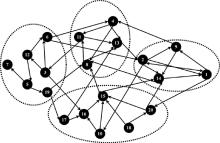
"
"
| 社区子群 | 决策专家 | 专家权重 | 子群权重 |
|---|---|---|---|
| 0.112 | |||
| 0.414 | |||
| 0.127 | |||
| 0.347 |
"
| 0.518 | 0.299 | 0.473 | 0.591 |
"
| 方案 | |||
|---|---|---|---|
| ([0.676,0.690 ], [0.000,0.141 ]) | ([0.529,0.540 ], [0.364,0.375 ]) | ([0.376,0.388 ], [0.482,0.494 ]) | |
| ([0.477,0.487 ], [0.407,0.418 ]) | ([0.349,0.360 ], [0.521,0.532 ]) | ([0.615,0.632 ], [0.000,0.163 ]) | |
| ([0.685,0.697 ], [0.194,0.206 ]) | ([0.417,0.427 ], [0.469, 0.479]) | ([0.348,0.359 ], [0.522,0.533 ]) |
"
| 方案 | |||
|---|---|---|---|
| ([0.621, 0.631], [0.275, 0.285]) | ([0.392, 0.403], [0.496, 0.507]) | ([0.379, 0.390], [0.493, 0.504]) | |
| ([0.658, 0.668], [0.241, 0.251]) | ([0.335, 0.346], [0.544, 0.554]) | ([0.819, 0.830], [0.000, 0.052]) | |
| ([0.312, 0.323], [0.563, 0.573]) | ([0.759, 0.769], [0.137, 0.148]) | ([0.700, 0.710], [0.200, 0.210]) |
"
| 方案 | |||
|---|---|---|---|
| ([0.754, 0.766], [0.000, 0.101]) | ([0.599, 0.613], [0.000, 0.230]) | ([0.596, 0.610], [0.000, 0.236]) | |
| ([0.670, 0.683], [0.000, 0.154]) | ([0.573, 0.587], [0.000, 0.259]) | ([0.609, 0.621], [0.000, 0.256]) | |
| ([0.522, 0.533], [0.365, 0.377]) | ([0.491, 0.501], [0.393, 0.404]) | ([0.508, 0.519], [0.377, 0.388]) |
"
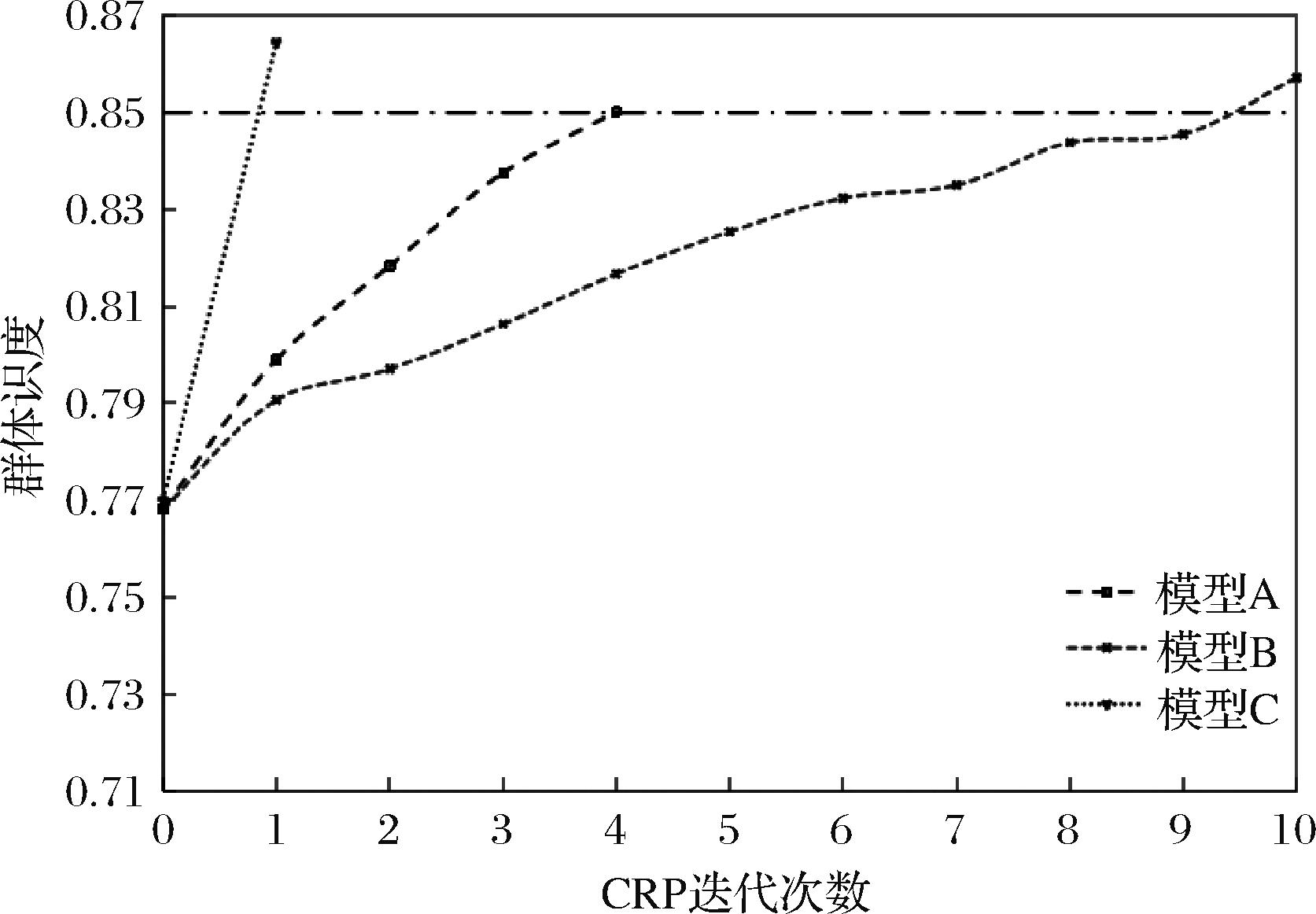
| 模型 | 考虑因素 | 调整次数 | 共识度 | 各方案得分函数 | 排序 |
|---|---|---|---|---|---|
| 信任-不信任 | 4 | 0.8502 | |||
| 信任关系 | 10 | 0.8573 | |||
| 信任-相似 | 2 | 0.8650 |
"
| [1] | Xu Z. Uncertain multi-attribute decision making: methods and applications[M]. Berlin, Heidelberg: Springer, 2015. |
| [2] | 张发明, 袁宇翔, 梁龙武. 多粒度不确定语言变量的多属性群决策方法及应用[J]. 系统管理学报, 2017, 26(6): 1061-1070. |
| Zhang F M, Yuan Y X, Liang L W. Multi-attribute group-decision-making with multi-granularity uncertain linguistic variables and its application[J]. Journal of Systems & Management, 2017, 26(6): 1061-1070. | |
| [3] | 吴澎, 丁毅, 周礼刚, 等. 基于DEA交叉效率与冗余信息识别的大群体应急决策方法[J]. 系统工程理论与实践, 2022, 42(10): 2840-2852. |
| Wu P, Ding Y, Zhou L G, et al. Large group emergency decision-making method based on DEA cross-efficiency and redundant information identification[J]. Systems Engineering-Theory & Practice, 2022, 42(10): 2840-2852. | |
| [4] | Song Y, Li G. A large-scale group decision-making with incomplete multi-granular probabilistic linguistic term sets and its application in sustainable supplier selection[J]. Journal of the Operational Research Society, 2019, 70(5): 827-841. |
| [5] | Ma Z, Zhu J, Ponnambalam K, et al. A clustering method for large-scale group decision-making with multi-stage hesitant fuzzy linguistic terms[J]. Information Fusion, 2019, 50: 231-250. |
| [6] | 徐选华, 蔡晨光, 王佩, 等. 面向具有多部门多指标特征的复杂大群体应急决策方法[J]. 控制与决策, 2016, 31(2): 225-232. |
| Xu X H, Cai C G, Wang P, et al. Complex large group emergency decision making method oriented characteristic of multi-department and multi-index[J]. Control and Decision, 2016, 31(2): 225-232. | |
| [7] | 陈晓红, 刘蓉. 改进的聚类算法及在复杂大群体决策中的应用[J]. 系统工程与电子技术, 2006, 28(11): 1695-1699. |
| Chen X H, Liu R. Improved clustering algorithm and its application in complex huge group decision-making[J]. Systems Engineering and Electronics, 2006, 28(11): 1695-1699. | |
| [8] | 杨静. 具有残缺值且偏好信息形式不同的复杂大群体决策方法[J]. 统计与决策, 2017, 33(21): 54-56. |
| Yang J. Complex large group decision-making method with incomplete values and different forms of preference information[J]. Statistics & Decision, 2017, 33(21): 54-56. | |
| [9] | Wu J, Chiclana F, Herrera-Viedma E. Trust based consensus model for social network in an incomplete linguistic information context[J]. Applied Soft Computing, 2015, 35: 827-839. |
| [10] | 徐选华, 余紫昕. 社会网络环境下基于公众行为大数据属性挖掘的大群体应急决策方法及应用[J]. 控制与决策, 2022, 37(1): 175-184. |
| Xu X H, Yu Z X. A large group emergency decision making method and application based on attribute mining of public behaviour big data in social network environment[J]. Control and Decision, 2022, 37(1): 175-184. | |
| [11] | 张发明, 朱姝琪. 社会网络环境下基于群体一致性的概率语言多属性大群体决策方法[J]. 系统管理学报, 2022, 31(4): 679-688. |
| Zhang F M, Zhu S Q. Probabilistic language multi-attribute large group decision-making method based on group consistency in social network analysis[J]. Journal of Systems & Management, 2022, 31(4): 679-688. | |
| [12] | 唐明, 廖虎昌, 徐泽水. 基于最大共识序列的子群关联型大群体决策方法[J]. 系统工程理论与实践, 2021, 41(11): 3043-3054. |
| Tang M, Liao H C, Xu Z S. Large-scale group decision making with interdependent subgroups based on maximum consensus sequences[J]. Systems Engineering —Theory & Practice, 2021, 41(11): 3043-3054. | |
| [13] | Wu J, Dai L, Chiclana F, et al. A minimum adjustment cost feedback mechanism based consensus model for group decision making under social network with distributed linguistic trust[J]. Information Fusion, 2018, 41: 232-242. |
| [14] | 徐选华, 张前辉. 社会网络环境下基于共识的风险性大群体应急决策非合作行为管理研究[J]. 控制与决策, 2020, 35(10): 2497-2506. |
| Xu X H, Zhang Q H. Management of non-cooperative behavior in consensus-based large group emergency decision-making in social network environment[J]. Control and Decision, 2020, 35(10): 2497-2506. | |
| [15] | 姚升保, 古淼. 移情关系影响下的群体共识决策模型研究[J]. 中国管理科学, 2021, 29(11): 203-214. |
| Yao S B, Gu M. A consensus model for group decision making under the influence of empathy[J]. Chinese Journal of Management Science, 2021, 29(11): 203-214. | |
| [16] | Wu J, Chiclana F. A social network analysis trust–consensus based approach to group decision-making problems with interval-valued fuzzy reciprocal preference relations[J]. Knowledge-Based Systems, 2014, 59: 97-107. |
| [17] | Kelman H C. Compliance, identification, and internalization: Three processes of attitude change[J]. The Journal of Conflict Resolution, 1958, 2(1): 51-60. |
| [18] | Sun R. Cognition and multi-agent interaction: From cognitive modeling to social simulation[M]. New York, NY: Cambridge University Press, 2006. |
| [19] | Massari G F, Giannoccaro I, Carbone G. Are distrust relationships beneficial for group performance? The influence of the scope of distrust on the emergence of collective intelligence[J]. International Journal of Production Economics, 2019, 208: 343-355. |
| [20] | 裴凤, 何雨薇, 闫安, 等. 一种考虑群体智慧的直觉模糊群决策方法[J]. 合肥工业大学学报(自然科学版), 2022, 45(10): 1407-1412. |
| Pei F, He Y W, Yan A, et al. An intuitionistic fuzzy group decision-making method considering collective intelligence[J]. Journal of Hefei University of Technology (Natural Science), 2022, 45(10): 1407-1412. | |
| [21] | Atanassov K T. Intuitionistic fuzzy sets[J].Fuzzy Sets and Systems, 1986, 20(1): 87-96. |
| [22] | Atanassov K, Gargov G. Interval valued intuitionistic fuzzy sets[J]. Fuzzy Sets and Systems, 1989, 31(3): 343-349. |
| [23] | 徐泽水. 区间直觉模糊信息的集成方法及其在决策中的应用[J]. 控制与决策, 2007, 22(2): 215-219. |
| Xu Z S. Methods for aggregating interval-valued intuitionistic fuzzy information and their application to decision making[J]. Control and Decision, 2007, 22(2): 215-219. | |
| [24] | Wasserman S, Faust K. Social network analysis: Methods and applications(Structural analysis in the social sciences)[M].Cambridge: Cambridge University Press, 1994. |
| [25] | Pentland A. On the collective nature of human intelligence[J]. Adaptive Behavior, 2007,15(2): 189-198. |
| [26] | Wu T, Liu X, Liu F. An interval type-2 fuzzy TOPSIS model for large scale group decision making problems with social network information[J]. Information Sciences, 2018, 432: 392-410. |
| [27] | Blondel V D, Guillaume J L, Lambiotte R, et al. Fast unfolding of communities in large networks[J]. Journal of Statistical Mechanics: Theory and Experiment, 2008, 2008(10): P10008. |
| [28] | 王子迪, 毛军军, 赵愿. 一种新的区间直觉模糊交叉熵及其应用[J]. 重庆工商大学学报(自然科学版), 2016, 33(6): 22-27. |
| Wang Z D, Mao J J, Zhao Y. A new type of interval-valued intuitionistic fuzzy cross-entropy and its application[J]. Journal of Chongqing Technology and Business University (Natural Science Edition), 2016, 33(6): 22-27. | |
| [29] | 徐选华, 刘尚龙. 考虑时间序列的动态大群体应急决策方法[J]. 控制与决策, 2020, 35(11): 2609-2618. |
| Xu X H, Liu S L. Dynamic large group emergency decision-making method considering time series[J]. Control and Decision, 2020, 35(11): 2609-2618. | |
| [30] | 徐选华, 王兵, 周艳菊. 基于信任机制的不完全信息大群体决策方法[J]. 控制与决策, 2016, 31(4): 577-585. |
| Xu X H, Wang B, Zhou Y J. Method for large group decision making with incomplete decision preference information based on trust mechanism[J]. Control and Decision, 2016, 31(4): 577-585. | |
| [31] | Park D G, Kwun Y C, Park J H, et al. Correlation coefficient of interval-valued intuitionistic fuzzy sets and its application to multiple attribute group decision making problems[J].Mathematical and Computer Modelling, 2009, 50(9-10): 1279-1293. |
| [32] | Hong L, Page S E, Baumol W J. Groups of diverse problem solvers can outperform groups of high-ability problem solvers[J]. Proceedings of the National Academy of Sciences of the United States of America, 2004, 101(46): 16385-16389. |
| [33] | 徐选华, 刘莹, 陈晓红. 基于群体压力的大群体风险应急决策方法[J]. 系统工程学报, 2022, 37(4): 460-476. |
| Xu X H, Liu Y, Chen X H. Large group risk emergency decision-making method based on group pressure[J]. Journal of Systems Engineering, 2022, 37(4): 460-476. | |
| [34] | Tang M, Liao H, Xu J, et al. Adaptive consensus reaching process with hybrid strategies for large-scale group decision making[J]. European Journal of Operational Research, 2020, 282(3): 957-971. |
| [35] | 徐选华, 肖婷. 社会网络行为数据驱动的大群体应急决策共识模型[J]. 系统工程与电子技术, 2023, 45(7): 2086-2097. |
| Xu X H, Xiao T. Consensus model for large group emergency decision-making driven by social network behavior data[J]. Systems Engineering and Electronics, 2023, 45(7): 2086-2097. |
| [1] | LI Hai-tao, LUO Dang, WEI Bao-lei. Method for Large Group Decision-making with Uncertain Linguistic Assessment Information Based on MC-EMD [J]. Chinese Journal of Management Science, 2017, 25(4): 164-173. |
| Viewed | ||||||
|
Full text |
|
|||||
|
Abstract |
|
|||||
|
||
