
主管:中国科学院
主办:中国优选法统筹法与经济数学研究会
中国科学院科技战略咨询研究院
主办:中国优选法统筹法与经济数学研究会
中国科学院科技战略咨询研究院

中国管理科学 ›› 2026, Vol. 34 ›› Issue (11): 33-45.doi: 10.16381/j.cnki.issn1003-207x.2024.1257cstr: 32146.14.j.cnki.issn1003-207x.2024.1257
林志炳( ), 刘志伟
收稿日期:2024-07-24
修回日期:2025-01-23
出版日期:2026-11-25
发布日期:2026-11-10
通讯作者:
林志炳
E-mail:linzhib@fzu.edu.cn
基金资助:
Zhibing Lin(), Zhiwei Liu
Received:2024-07-24
Revised:2025-01-23
Online:2026-11-25
Published:2026-11-10
Contact:
Zhibing Lin
E-mail:linzhib@fzu.edu.cn
摘要:
为了探讨绿色信贷融资对于制造商技术研发及授权决策的影响,本文在碳限额与交易机制下,分别构建了一般信贷融资模式以及绿色信贷融资模式下制造商技术不授权和技术授权模型并进行比较分析。研究结果表明:(1)无论银行采用何种信贷融资模式,研发型制造商始终倾向于技术授权;只有当研发成本系数较小时,非研发型制造商才愿意接受技术授权。(2)在研发型制造商不授权情形下,相比于一般信贷融资,银行提供绿色信贷融资能够提升研发型制造商的碳减排量、需求量以及利润。在研发型制造商授权情形下,银行提供绿色信贷融资还可以提升非研发型制造商的需求量以及利润。(3)当银行的一般信贷利率较高时,银行提供绿色信贷融资会降低非研发型制造商接受低碳技术授权的门槛。(4)无论制造商授权与否,面对清洁型制造商,绿色信贷融资模式下的碳排放总量更低,对环境的破坏性更小。
中图分类号:
林志炳,刘志伟. 绿色信贷融资对制造商技术研发及授权决策的影响研究[J]. 中国管理科学, 2026, 34(11): 33-45.
Zhibing Lin,Zhiwei Liu. The Impact of Green Credit Financing on Manufacturer 's Technology R&D and Licensing Decisions[J]. Chinese Journal of Management Science, 2026, 34(11): 33-45.

表1
符号说明"
| 符号 | 说明 | 符号 | 说明 |
|---|---|---|---|
| 制造商i的单位生产成本 | 消费者对于碳减排量的敏感性 | ||
| 制造商i的批发价格 | 产品替代率 | ||
| 产品i的零售价格 | 碳排放交易价格 | ||
| 产品i的市场需求 | 初始单位碳排放量 | ||
| 研发成本系数 | 碳减排量 | ||
| 银行的一般信贷利率 | 银行的绿色优惠力度 | ||
| 碳配额 | 技术授权费用 | ||
| 制造商i的利润 | 银行的利润 | ||
| 零售商的利润 |
表2
BN模型中的最优决策和利润"
表3
BY模型中的最优决策和利润"
表4
LN模型中的最优决策和利润"
表5
LY模型中的最优决策和利润"
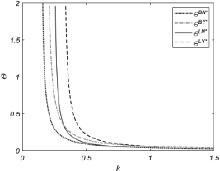
图1
k对θ1的影响"
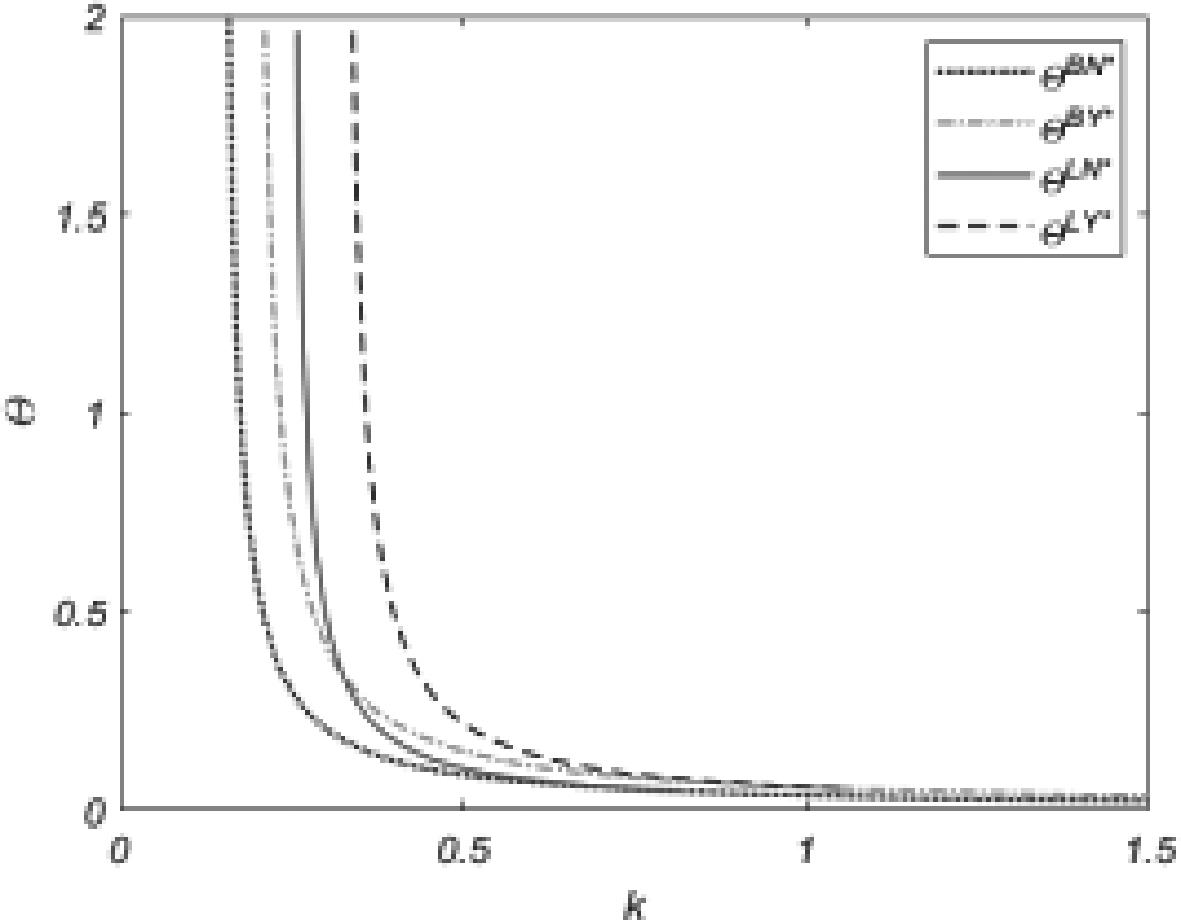
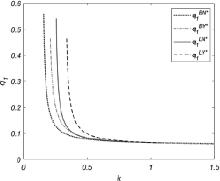
图2
k对q1的影响"
图3
k对q2的影响"
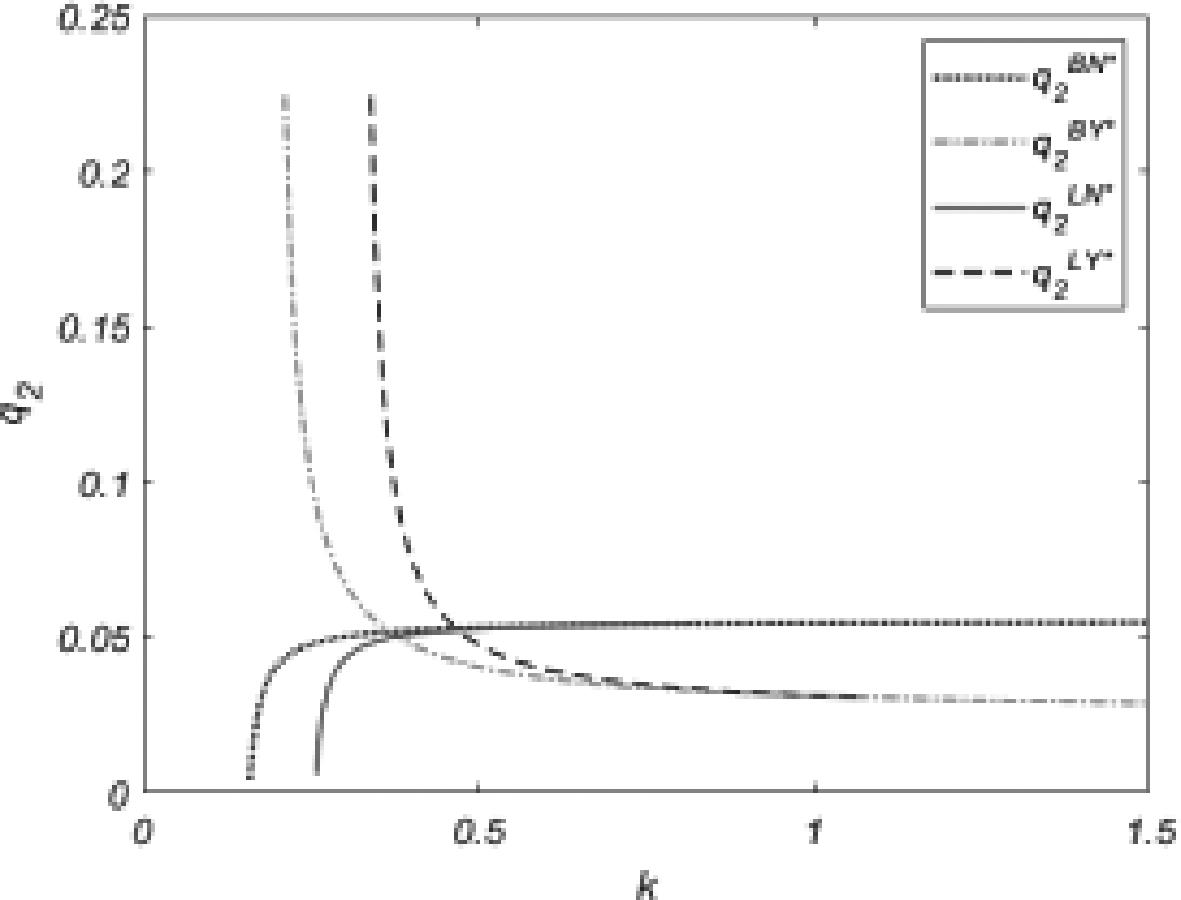
图4
k对M1利润的影响"
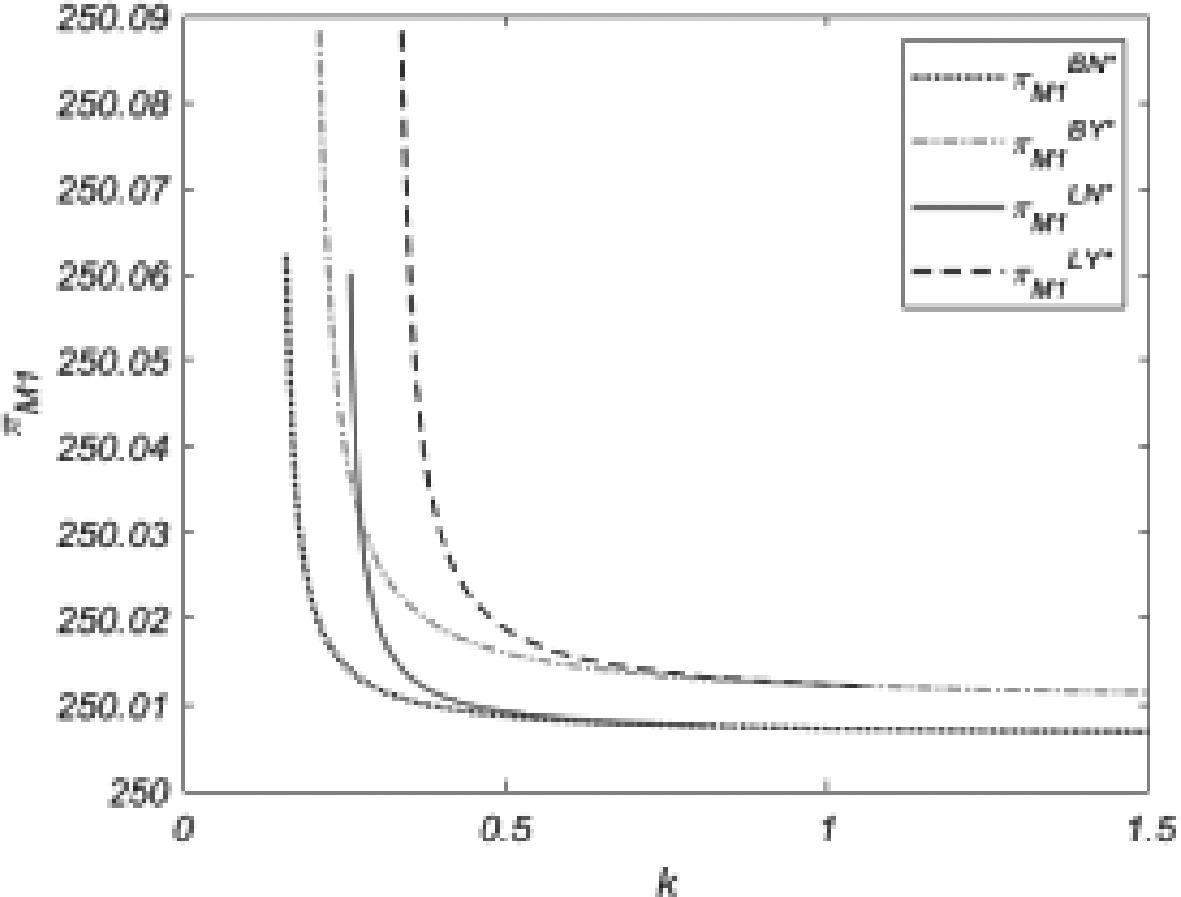
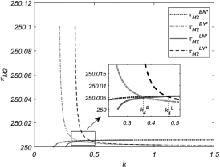
图5
k对M2利润的影响"
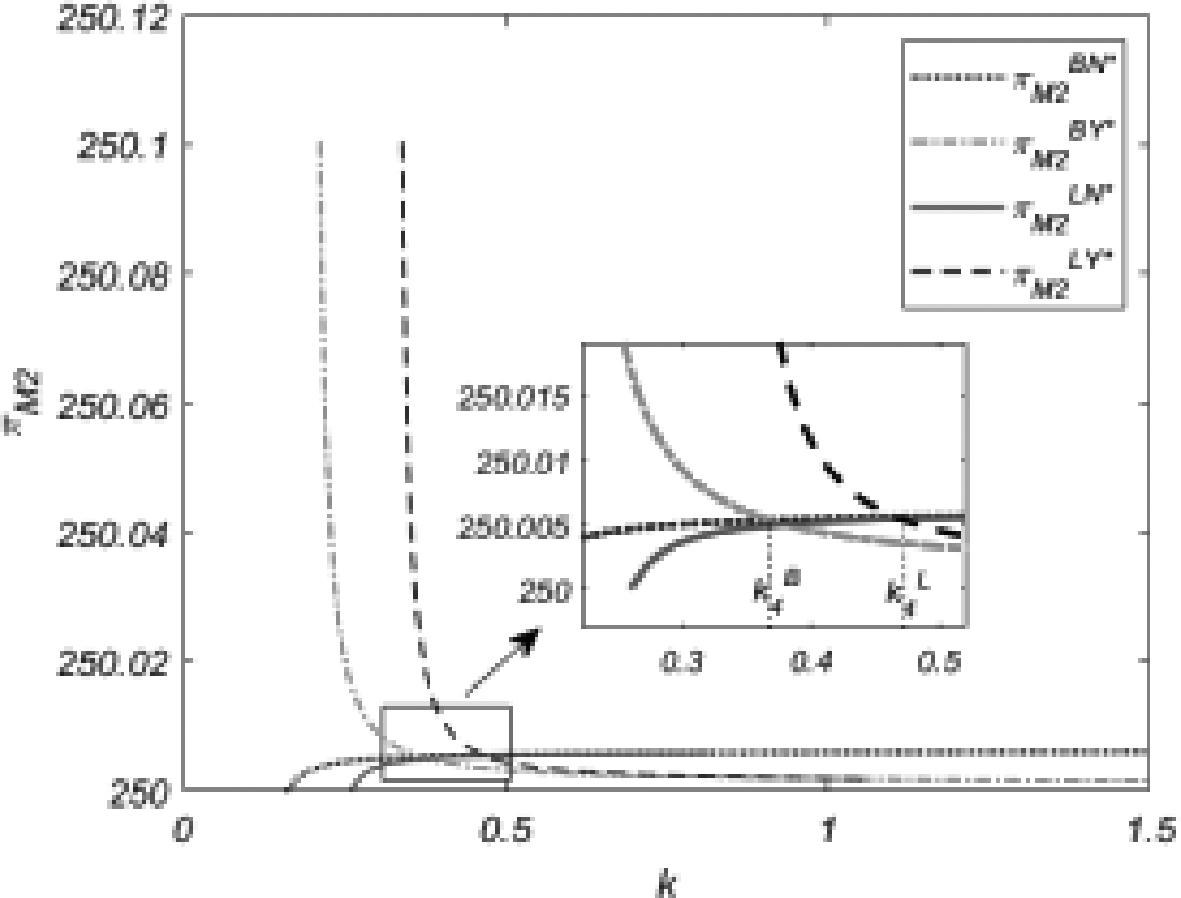
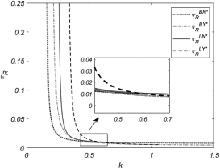
图6
k对R利润的影响"
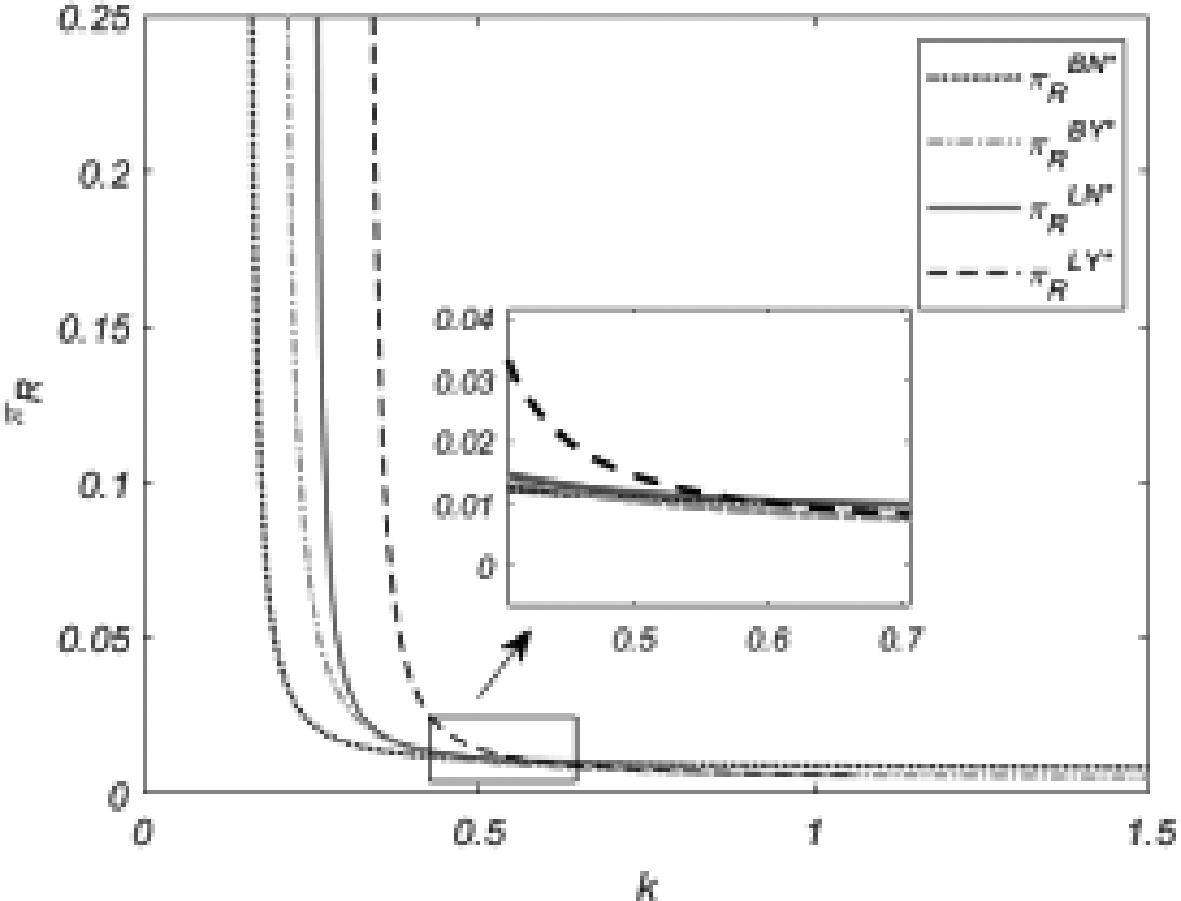
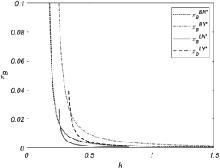
图7
k对B利润的影响"
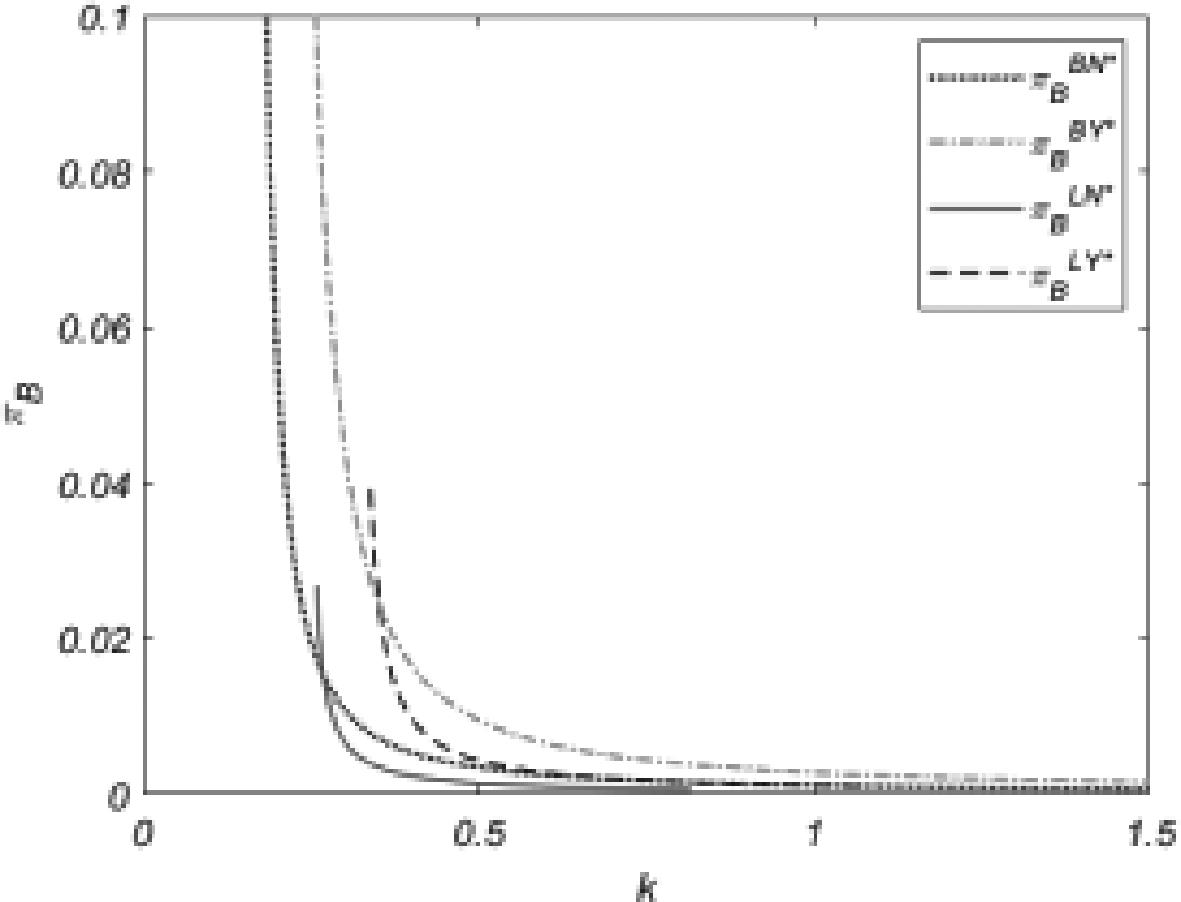
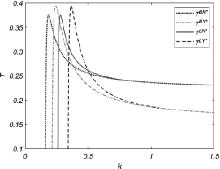
图8
k对T的影响(e=2)"
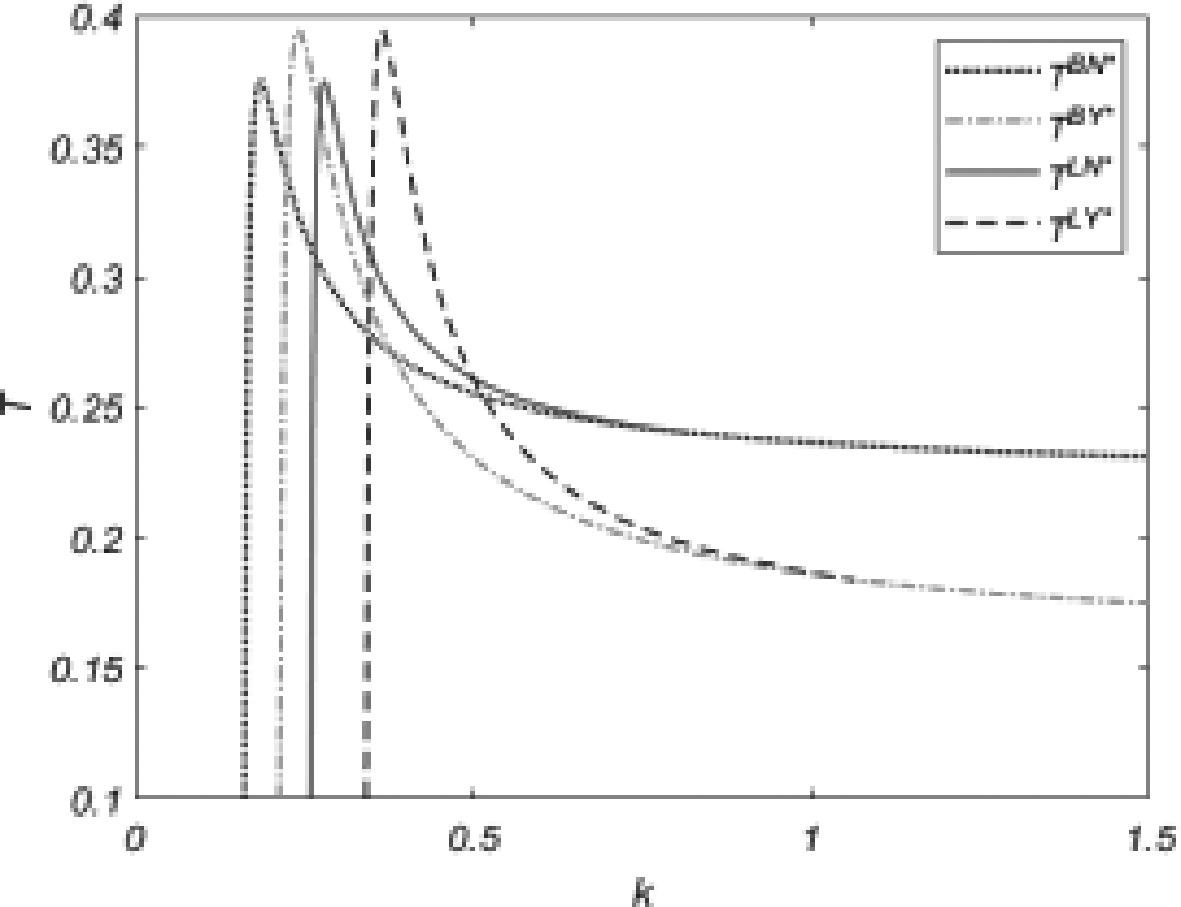
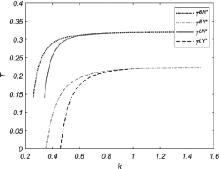
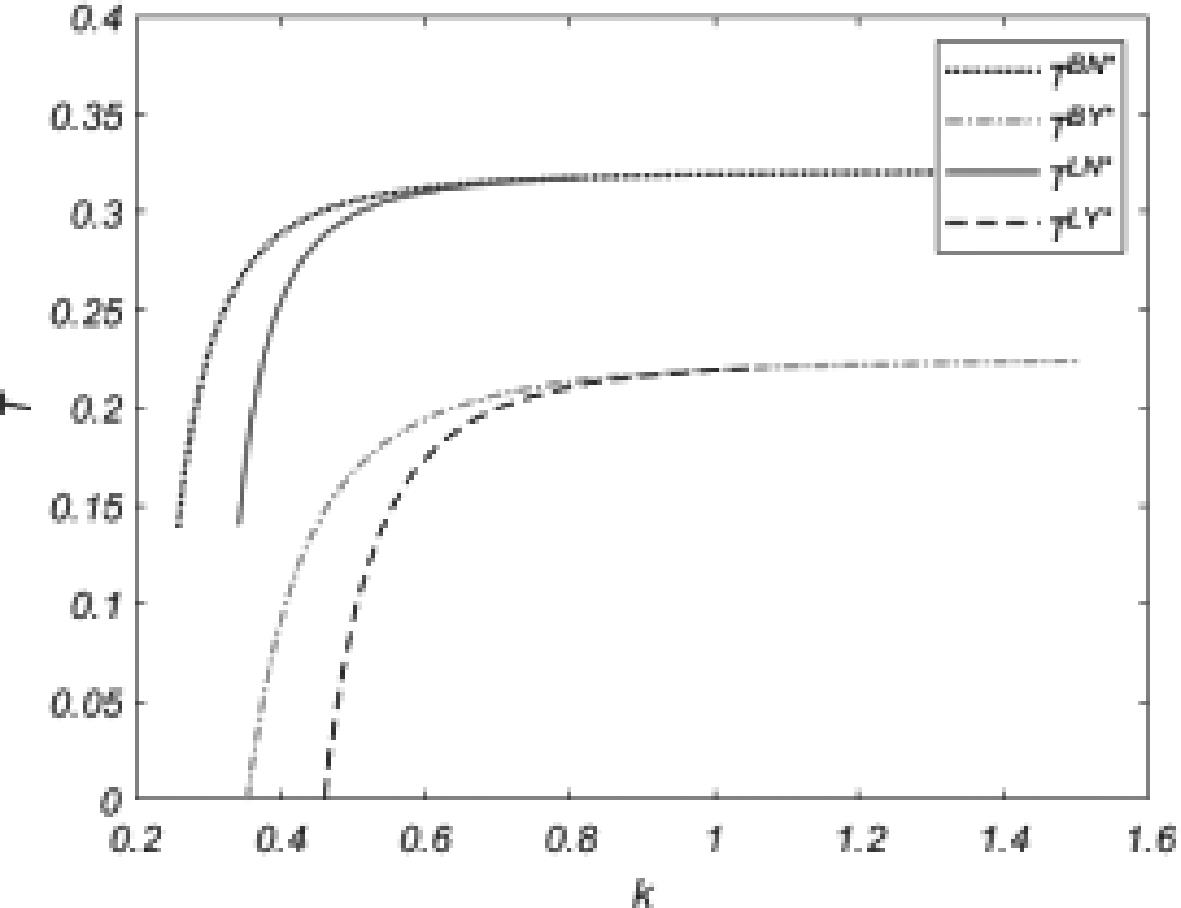
图9
k对T的影响(e=0.9)"
| [1] | 李景. 全国碳市场释放减排新动能[N]. 经济日报, 2022-12-25(5). |
| Li J. The national carbon market releases new kinetic energy for emission reduction[N]. Economic Daily, 2022-12-25(5). | |
| [2] | 海南省人民政府. 我省开建首个年捕集利用6万吨二氧化碳项目[EB/OL].(2023-12-25)[2024-12-25]. . |
| Hainan Provincial People's Government. Our province opened the first annual capture and utilization of 60,000 tons of carbon dioxide project[EB/OL].(2023-12-25)[2024-12-25]. . | |
| [3] | Zhang Q, Zhang J, Zaccour G, et al. Strategic technology licensing in a supply chain[J]. European Journal of Operational Research, 2018, 267(1): 162-175. |
| [4] | 王伟, 黄照旺, 丁黎黎, 等. 研发结果不确定时制造商的横向技术授权策略研究[J]. 中国管理科学, 2023, 31(7): 266-275. |
| Wang W, Huang Z W, Ding L L, et al. Horizontal technology authorization strategies of the R & D manufacturer with uncertain R & D results[J]. Chinese Journal of Management Science, 2023, 31(7): 266-275. | |
| [5] | 百度. 比亚迪与博格华纳携手,推动刀片电池生产与技术授权[EB/OL].(2025-01-10)[2025-01-20].. |
| Baidu. BYD partners with BorgWarner to drive Blade Battery production and technology licensing[EB/OL]. (2025-01-10)[2025-01-20].. | |
| [6] | 搜狐. 30亿美元ESG贷款:先正达如何引领可持续金融潮流?[EB/OL].(2024-10-21)[2025-01-20].. |
| Sohu.com. $3 billion ESG loan: How is Syngenta leading the way in sustainable finance?[EB/OL].(2024-10-21)[2025-01-20].. | |
| [7] | 农药咨询网. 先正达公司宣布开放基因编辑和育种技术授权[EB/OL].(2025-01-17)[2025-01-20]. . |
| Agrochemical Information Net.Syngenta announces open licensing of gene editing and breeding technologies[EB/OL].(2025-01-17)[2025-01-20].. | |
| [8] | 国家开发银行深圳市分行. 绿色金融助力比亚迪新能源汽车筑梦辉煌[EB/OL].(2024-02-02)[2025-01-20].. |
| China Development Bank Shenzhen Branch. Green finance helps BYD new energy vehicles realize a brilliant dream[EB/OL].(2024-02-02)[2025-01-20].. | |
| [9] | 中华人民共和国中央政府.人民银行推出碳减排支持工具[EB/OL].(2021-11-08)[2025-01-20].. |
| Central Government of China. The People's Bank of China launched a carbon emission reduction support tool [EB/OL].(2021-11-08)[2025-01-20].. | |
| [10] | 新华网. 交通银行珠海分行运用碳减排支持工具 助力斗门华发“渔光互补”海洋牧场建设[EB/OL].(2024-03-21)[2025-01-20].. |
| Net Xinhua. Bank of Communications Zhuhai Branch uses the carbon emission reduction support tool to support the construction of Doumen Huafa's fishery-photovoltaic complementary marine ranch[EB/OL]. (2024-03-21)[2025-01-20].. | |
| [11] | 王君美. 非生产性企业技术授权的对象选择问题[J]. 科研管理, 2012, 33(10): 37-47. |
| Wang J M. Licensing choice for a nonproductive firm[J]. Science Research Management, 2012, 33(10): 37-47. | |
| [12] | Chen J X, Liang L, Yao D Q. An analysis of intellectual property licensing strategy under duopoly competition: Component or product-based?[J]. International Journal of Production Economics,2017,193: 502-513. |
| [13] | 王伟, 黄照旺, 丁黎黎, 等. “二对一”结构供应链中研发型制造商的技术授权策略研究[J]. 科技管理研究, 2020, 40(21): 121-133. |
| Wang W, Huang Z W, Ding L L, et al. Research on technology authorization strategy of the R & D manufacturer in a supply chain with “two-to-one” structure[J]. Science and Technology Management Research, 2020, 40(21): 121-133. | |
| [14] | Hong X, Govindan K, Xu L, et al. Quantity and collection decisions in a closed-loop supply chain with technology licensing[J]. European Journal of Operational Research, 2017, 256(3): 820-829. |
| [15] | Yan Q Y, Yang L. Optimal licensing in a differentiated Bertrand market under uncertain R&D outcomes and technology spillover[J]. Economic Modelling, 2018, 68: 117-126. |
| [16] | Zou Y X, Chen T L. Quality differentiation and product innovation licensing[J]. Economic Modelling, 2020, 87: 372-382. |
| [17] | 金亮, 陆淳鸿, 程永生, 等. 基于专利保护的专利技术授权与CSR投入研究[J]. 中国管理科学, 2023, 31(2): 40-50. |
| Jin L, Lu C H, Cheng Y S, et al. Optimal patent licensing contracts design and CRS investment decisions under patent protection[J]. Chinese Journal of Management Science, 2023, 31(2): 40-50. | |
| [18] | 金亮. 不对称信息下企业最优技术授权合同设计[J]. 系统工程学报, 2025, 40(1): 1-14. |
| Jin L. Optimal design of licensing contracts innovators under asymmetric information[J]. Journal of Systems Engineering, 2025, 40(1): 1-14. | |
| [19] | 李冬冬, 张婷, 杨晶玉. 市场结构及所有权性质对企业绿色技术授权策略的影响研究[J]. 软科学, 2020, 34(2): 14-20. |
| Li D D, Zhang T, Yang J Y. Research on the influence of market structure and ownership nature on the optimal eco-technology licensing of enterprises[J]. Soft Science, 2020, 34(2): 14-20. | |
| [20] | 黄虹富, 陈祉霖. 政府补贴下双寡头竞争企业间绿色技术授权策略研究[J].信息与管理研究, 2021, 6(1): 1-18. |
| Huang H F, Chen Z L. Green technology licensing strategies for competing duopoly firms with government subsidy[J]. Journal of Information and Management, 2021, 6(1): 1-18. | |
| [21] | Kong J J, Yang F. Green technology licensing under platform selling[J]. Journal of the Operational Research Society, 2022, 73(11): 2451-2464. |
| [22] | Sim S G, Hong S. Technology licensing and environmental policy instruments: Price control versus quantity control[J]. Resource and Energy Economics, 2020, 62: 101187. |
| [23] | Chen X, Wang X J, Xia Y X. Low-carbon technology transfer between rival firms under cap-and-trade policies[J]. IISE Transactions, 2022, 54(2): 105-121. |
| [24] | 林志炳, 张娟. 碳限额与交易机制下企业减排技术授权策略研究[J].系统科学与数学,2024, 44(1): 200-216. |
| Lin Z B, Zhang J. Research on enterprise emission reduction technology authorization strategy under carbon cap-and-trade mechanism[J]. Journal of Systems Science and Mathematical Sciences, 2024, 44(1): 200-216. | |
| [25] | Lai Z, Lou G, Chung S H, et al. The bright side of low-carbon technology sharing in a capital-constrained supply chain[J]. Transportation Research Part E: Logistics and Transportation Review, 2025, 193: 103827. |
| [26] | 陈伟达, 董凯丽. 考虑低碳信贷融资的制造/再制造生产决策研究[J].工业技术经济,2021, 40(8): 109-117. |
| Chen W D, Dong K L. Research on manufacturing/remanufacturing production decisions considering low-carbon credit financing[J]. Industrial Technology & Economy, 2021, 40(8): 109-117. | |
| [27] | 陆文香, 苏磊. 绿色信贷政策如何影响企业产能利用率?——来自中国微观企业的经验证据[J]. 财经论丛, 2023(7): 3-14. |
| Lu W X, Su L. How does green credit policy affect the capacity utilization rate of enterprises? Theoretical relationship model and empirical research[J]. Collected Essays on Finance and Economics, 2023(7): 3-14. | |
| [28] | 周永圣, 梁淑慧, 刘淑芹, 等. 绿色信贷视角下建立绿色供应链的博弈研究[J].管理科学学报, 2017, 20(12): 87-98. |
| Zhou Y S, Liang S H, Liu S Q, et al. The game study of establishing green supply chain from the perspective of green credit[J]. Journal of Management Sciences in China, 2017, 20(12): 87-98. | |
| [29] | 陈庭强, 林文娟, 王磊, 等. 基于碳交易与绿色信贷的化工企业低碳行为决策研究[J]. 中国管理科学, 2025, 33(6): 322-334. |
| Chen T Q, Lin W J, Wang L, et al. Low-carbon behavior decision of chemical enterprises based on carbon trading and green credit[J]. Chinese Journal of Management Science, 2025, 33(6): 322-334. | |
| [30] | Qin J J, Zhao Y H, Xia L J. Carbon emission reduction with capital constraint under greening financing and cost sharing contract[J]. International Journal of Environmental Research and Public Health, 2018, 15(4): 750. |
| [31] | 王康, 钱勤华, 周淑芬. 基于绿色金融贷款和成本分担下的供应链低碳减排机制研究[J]. 金融理论与实践, 2019(1): 84-92. |
| Wang K, Qian Q H, Zhou S F. Research on low-carbon emission reduction mechanism of supply chain based on green finance loan and cost sharing[J]. Financial Theory & Practice, 2019(1): 84-92. | |
| [32] | He J, Huang X, Jiang X, et al. An incentive theory of green supply chain finance[J]. International Journal of Production Research, 2025, 63(22): 8212-8234. |
| [33] | Lai Z, Lou G, Zhang T, et al. Financing and coordination strategies for a manufacturer with limited operating and green innovation capital: Bank credit financing versus supplier green investment[J]. Annals of Operations Research, 2023, 331(1): 85-119. |
| [34] | Si Y, Tian J, Wang L, et al. Should banks offer concessions? Lending rates for manufacturers’ green products[J]. International Journal of Production Research, 2022, 60(12): 3901-3919. |
| [35] | 田俊峰, 司艳红, 王力, 等. 绿色信贷优惠对企业产品定价及供应链绩效的作用机制[J]. 控制与决策, 2024, 39(10): 3431-3441. |
| Tian J F, Si Y H, Wang L, et al. Impact mechanism of green credit concessions on enterprise product pricing and supply chain performance[J]. Control and Decision, 2024, 39(10): 3431-3441. | |
| [36] | 王文利, 张睿贞. 政府补贴下绿色产品供应商的融资策略——绿色信贷VS预付款[J]. 系统管理学报, 2024, 33(6): 1423-1435. |
| Wang W L, Zhang R Z. Financing strategies for green product suppliers under government subsidies: Green credit versus prepayment[J]. Journal of Systems & Management, 2024, 33(6): 1423-1435. | |
| [37] | Lai Z, Lou G, Yin L, et al. Supply chain green strategy considering manufacturers’ financial constraints: How to manage the risk of green supply chain financing[J]. Annals of Operations Research, 2025, 348(2): 1037-1068. |
| [38] | Liu Z L, Anderson T D, Cruz J M. Consumer environmental awareness and competition in two-stage supply chains[J]. European Journal of Operational Research, 2012, 218(3): 602-613. |
| [39] | Ji J N, Zhang Z Y, Yang L. Carbon emission reduction decisions in the retail-/ dual-channel supply chain with consumers' preference[J]. Journal of Cleaner Production, 2017, 141: 852-867. |
| [40] | Wang X H. Fee versus royalty licensing in a Cournot duopoly model[J]. Economics Letters, 1998, 60(1): 55-62. |
| [41] | Kishimoto S, Muto S. Fee versus royalty policy in licensing through bargaining: An application of the Nash bargaining solution[J]. Bulletin of Economic Research, 2012, 64(2): 293-304. |
| [42] | 百度. 苹果公司每年向ARM支付的专利费用相对较低,这其中有什么秘密呢?[EB/OL].(2023-11-30) [2025-01-20].. |
| Baidu. Why are the patent fees Apple pays ARM each year relatively low, and what is the secret?[EB/OL].(2023-11-30)[2025-01-20].. | |
| [43] | 石松, 颜波, 石平. 考虑公平关切的自主减排低碳供应链决策研究[J]. 系统工程理论与实践, 2016, 36(12): 3079-3091. |
| Shi S, Yan B, Shi P. Pricing and coordination decisions in autonomous reduction low-carbon supply chain with fairness concerns[J]. Systems Engineering-Theory & Practice, 2016, 36(12): 3079-3091. | |
| [44] | Zhang W, Lee H H. Investment strategies for sourcing a new technology in the presence of a mature technology[J]. Management Science, 2022, 68(6): 4631-4644. |
| [45] | Kouvelis P, Xu F. A supply chain theory of factoring and reverse factoring[J]. Management Science, 2021, 67(10): 6071-6088. |
| [46] | Yi Z, Wang Y, Chen Y J. Financing an agricultural supply chain with a capital-constrained smallholder farmer in developing economies[J]. Production and Operations Management, 2021, 30(7): 2102-2121. |
| [47] | Shen B, Liu S, Zhang T, et al. Optimal advertising and pricing for new green products in the circular economy[J]. Journal of Cleaner Production, 2019, 233: 314-327. |
| [48] | Ji J N, Tang D L, Huang J S. Green credit financing and emission reduction decisions in a retailer-dominated supply chain with capital constraint[J]. Sustainability, 2022, 14(17): 10553. |
| [1] | 金亮. OEM vs.ODM:跨国技术授权与研发决策研究[J]. 中国管理科学, 2026, 34(7): 300-311. |
| [2] | 仝鹏, 丁翔, 王文宾, 毛展鹏, 肖莹. 碳交易机制下考虑零售商信息分享策略的供应链决策研究[J]. 中国管理科学, 2026, 34(4): 287-297. |
| [3] | 李军祥, 陈鸣, 邵馨平. 基于信息间隙决策理论的虚拟电厂低碳需求响应调度模型[J]. 中国管理科学, 2025, 33(4): 345-356. |
| [4] | 叶燚, 郭强, 聂佳佳. 消费者预期后悔对企业低碳策略选择的影响[J]. 中国管理科学, 2025, 33(2): 242-247. |
| [5] | 金亮,卢海涛. 技术授权与新产品引入:基于跨国竞合视角[J]. 中国管理科学, 2024, 32(6): 98-108. |
| [6] | 张川,田雨鑫,崔梦雨. 电动汽车动力电池制造商混合渠道回收模式选择与碳减排决策[J]. 中国管理科学, 2024, 32(6): 184-195. |
| [7] | 王伟, 黄照旺, 丁黎黎, 张文思. 研发结果不确定时制造商的横向技术授权策略研究[J]. 中国管理科学, 2023, 31(7): 266-275. |
| [8] | 金亮, 陆淳鸿, 程永生, 王雪方. 基于专利保护的专利技术授权与CSR投入研究[J]. 中国管理科学, 2023, 31(2): 40-50. |
| [9] | 杨振华,孙正捷,刘茹,郭鹏举. 企业承担SR对技术授权与产品定价的影响[J]. 中国管理科学, 2023, 31(10): 193-204. |
| [10] | 陈威, 马永开, 白春光. 基于碳限额与交易机制的上下游企业可再生能源投资策略研究[J]. 中国管理科学, 2023, 31(1): 70-80. |
| [11] | 刘名武, 万谧宇, 付红. 碳交易和低碳偏好下供应链低碳技术选择研究[J]. 中国管理科学, 2018, 26(1): 152-162. |
| [12] | 支帮东, 陈俊霖, 刘晓红. 碳限额与交易机制下基于成本共担契约的两级供应链协调策略[J]. 中国管理科学, 2017, 25(7): 48-56. |
| [13] | 柏庆国, 徐贤浩. 碳限额与交易政策下易变质产品的最优库存策略[J]. 中国管理科学, 2017, 25(7): 28-37. |
| [14] | 王志国, 李磊, 杨善林, 龚本刚. 动态博弈下引导企业低碳技术创新的政府低碳规制研究[J]. 中国管理科学, 2016, 24(12): 139-147. |
| 阅读次数 | ||||||
|
全文 |
|
|||||
|
摘要 |
|
|||||
|
||
