主管:中国科学院
主办:中国优选法统筹法与经济数学研究会
   中国科学院科技战略咨询研究院

中国管理科学 ›› 2026, Vol. 34 ›› Issue (2): 263-274.doi: 10.16381/j.cnki.issn1003-207x.2023.0563cstr: 32146.14.j.cnki.issn1003-207x.2023.0563

• • 上一篇    下一篇

基于用户生成评论的新体验型产品动态定价策略

姚振, 宋华明(), 陈昳垦, 黄强, 古晓宇, 王苏源   

  1. 南京理工大学经济管理学院,江苏 南京 210094
  • 收稿日期:2023-04-07 修回日期:2023-06-22 出版日期:2026-02-25 发布日期:2026-02-04
  • 通讯作者: 宋华明 E-mail:huaming@njust.edu.cn
  • 基金资助:
    国家自然科学基金项目(71571102);国家自然科学基金项目(71901121);江苏省研究生科研与实践创新计划项目(KYCX23_0602)

Research on dynamic pricing strategy of new experience products based on user-generated reviews

Zhen Yao, Huaming Song(), Yiken Chen, Qiang Huang, Xiaoyu Gu, Suyuan Wang   

  1. School of Economics & Management,Nanjing University of Science & Technology,Nanjing 210094,China
  • Received:2023-04-07 Revised:2023-06-22 Online:2026-02-25 Published:2026-02-04
  • Contact: Huaming Song E-mail:huaming@njust.edu.cn

摘要:

近年来,越来越多的消费者在电商平台购买并使用产品后会发表在线评论。为了研究新体验型产品的用户生成评论对企业和消费者的影响,本文基于不同情形下的先验质量和评论信息度考虑在线评论如何影响消费者的质量信念更新过程及企业的动态定价策略问题,通过构建一个由垄断企业、电商平台以及消费者组成的两阶段模型,首批消费者购买产品前具有先验质量信念,在第一阶段购买并体验产品后,消费者根据自身的质量感知在电商平台发表在线评论。进入第二阶段,后批消费者通过社会学习更新先验质量信念,然后做出购买决策,企业也可以观察评论的分布动态调整新体验型产品的定价策略。研究发现: 当产品的先验质量较低且评论的参照效应好,信息度低的评论会使企业减少第二阶段产品的销售;与直觉相反,当先验质量较高(低),先验质量略低于(或者略高于)平均感知质量时,评论信息对企业的动态定价策略的影响存在“扭曲效应”,此时消费者会出现购买盲从现象;与评论总是有利于消费者的传统观点相反,评论信息可能会使消费者剩余减少,当先验质量较低且评论的参照效应好时,信息度低的评论会使企业和消费者形成双输局面。

关键词: 用户生成评论, 先验质量, 评论信息度, 社会学习, 质量信息更新

Abstract:

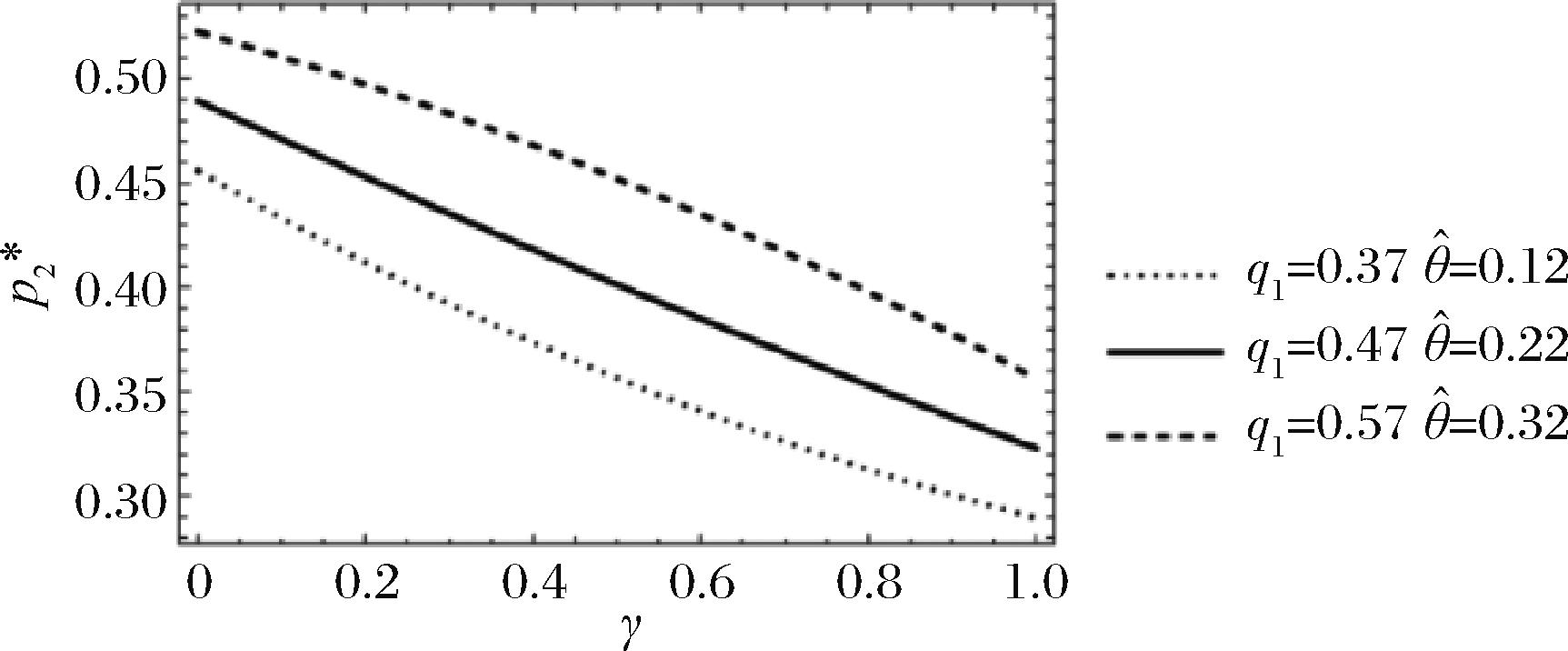
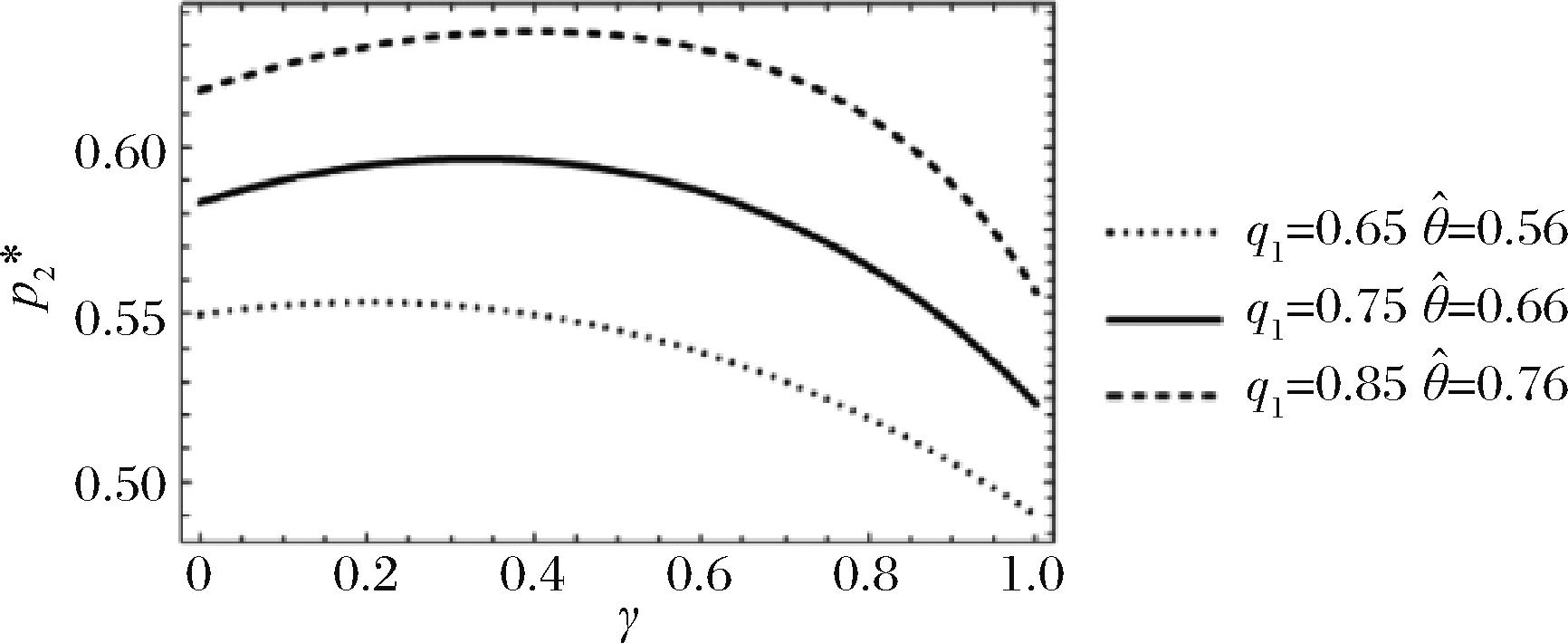
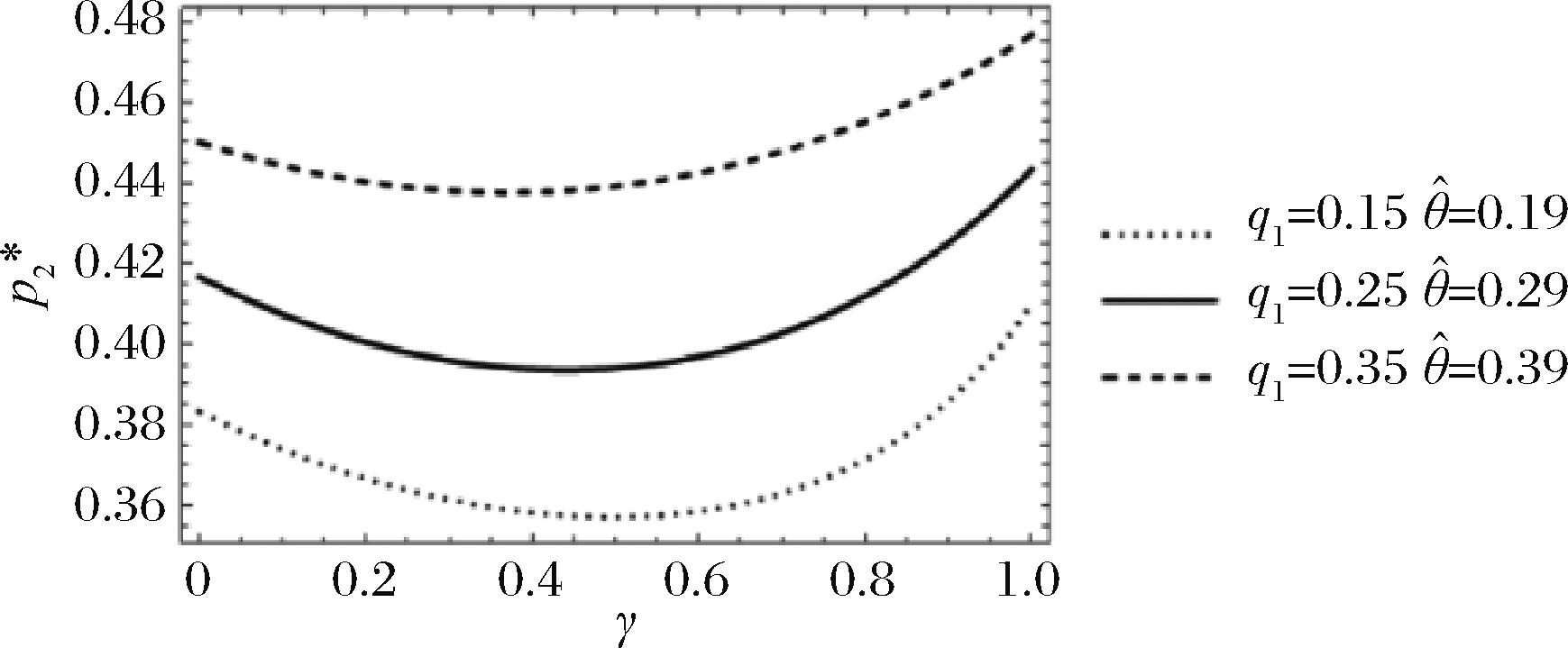
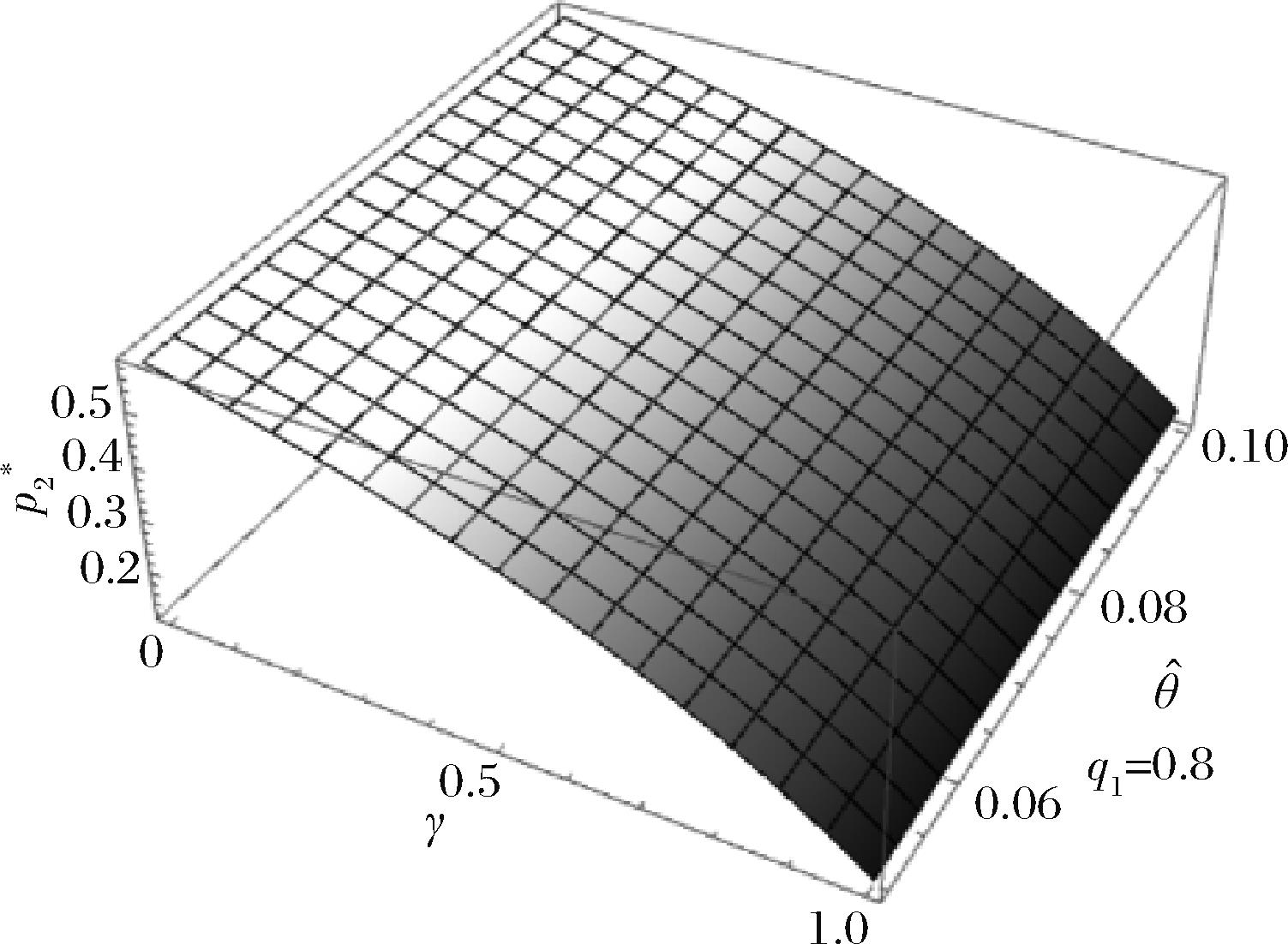
With the development of information technology, many consumers will post online reviews after purchasing and experiencing products on e-commerce platforms. A new experience product is any product whose quality cannot be easily assessed ex ante by the firm and by consumers. It is intuitive that the information generated through reviews should help consumers that have not yet experienced the product to better assess the product. Thus, they can buy it at a better time. However, such information is also available to the firm, which can learn from consumer experiences about its own quality. Such information can allow the firm to better price the product. However, both the firm and the consumers learn about the product’s quality for different purposes. Some strategic consumers may also delay purchases through social learning online reviews to free ride on better information about the product’s quality and in anticipation of the firm’s price decrease. On the other hand, the firm may want to adjust their pricing strategies to prevent these consumers from waiting until later when the price drops.In this paper, review information is endogenously generated from consumer reviews, and the informativeness of reviews is determined by the number of online reviews in the first period, which may affect a firm's dynamic pricing strategy. In particular, it is not clear whether and how a firm could exploit the endogenously generated quality information and how it should adjust its pricing strategy. In fact, the main problem of our paper is the quality information updating process formed by strategic consumers who have different prior beliefs through the social learning of online reviews with different review informativeness. Also, whether the reviews provide an incentive for the firm to increase or decrease its price in the second period and, anticipating the firm's strategy, whether more or fewer consumers strategically delay their purchase compared to the no-review case.By constructing a two-period sales model consisting of a monopoly firm, an e-commerce platform, and strategic consumers, consumers have prior beliefs before purchasing the product in the first period. After purchasing and experiencing the product, the consumer posts online reviews on the e-commerce platform based on his perceived quality level. In the second period, the latter consumers update their prior beliefs through social learning and then make purchase decisions, and firms can observe the distribution of reviews to adjust their pricing strategies for new experience products dynamically.When consumers have the lower prior quality of product and the online reviews have good reference effect, the lower-informativeness reviews will make the firm tend to sell more products in the first period; When consumers have the higher prior quality of product and the online reviews have bad reference effect, the low-informativeness reviews incline firms to sell more products in the second period; If consumers have the lower prior quality of product and the online reviews have good reference effect, when online reviews have low informativeness, firm should lowerP2*. When user-generated reviews have high informativeness, firm should increaseP2*. If consumers have high prior quality of product and the user-generated reviews have bad reference effect, when user-generated reviews have low informativeness, the firm should increaseP2*.When online reviews have high informativeness, firm should lowerP2*.Contrary to intuition, when the prior quality is slightly lower (or slightly higher) than the average perceived quality, there is a 'distortion effect' on the impact of the review information on the dynamic pricing strategy of the firm, consumers will follow the purchase of others blindly. Contrary to the traditional view, user-generated reviews may reduce consumer surplus. When the prior quality is low and the average perceived quality is higher than the prior quality, the lower -informativeness reviews can lead to a lose-lose situation for both the firm and consumers. Firm profits and consumer surplus decrease at the same time, and the total social welfare will also decrease.

Key words: user-generated reviews, prior quality, review informativeness, social learning, quality information updating, dynamic pricing strategies

中图分类号: