
主管:中国科学院
主办:中国优选法统筹法与经济数学研究会
中国科学院科技战略咨询研究院
主办:中国优选法统筹法与经济数学研究会
中国科学院科技战略咨询研究院

中国管理科学 ›› 2026, Vol. 34 ›› Issue (1): 104-117.doi: 10.16381/j.cnki.issn1003-207x.2024.0809cstr: 32146.14.j.cnki.issn1003-207x.2024.0809
蔡梦思, 吕欣( )
)
收稿日期:2024-05-24
修回日期:2024-09-23
出版日期:2026-01-25
发布日期:2026-01-29
通讯作者:
吕欣
E-mail:xin.lu.lab@outlook.com
基金资助:
Mengsi Cai, Xin Lv()
Received:2024-05-24
Revised:2024-09-23
Online:2026-01-25
Published:2026-01-29
Contact:
Xin Lv
E-mail:xin.lu.lab@outlook.com
摘要:
当前世界百年未有之大变局下,科技竞争日益成为大国博弈的焦点,突破我国“卡脖子”关键核心技术刻不容缓。科学精准地识别并形成“卡脖子”问题清单,可以为实现关键核心技术瓶颈突破和自主可控提供重要依据。本文对“卡脖子”技术识别研究进行综述,具体从“卡脖子”技术内涵、特征和识别方法三个层面系统展开。首先,通过与关键核心技术、颠覆性技术、突破性技术、“杀手锏”技术进行比较,明晰“卡脖子”技术内涵;然后,提出包含五个本质属性和一系列延伸属性的“卡脖子”技术特征框架;最后,总结“卡脖子”技术识别的多种途径、存在问题以及未来趋势。
中图分类号:
蔡梦思,吕欣. “卡脖子”技术识别方法研究进展[J]. 中国管理科学, 2026, 34(1): 104-117.
Mengsi Cai,Xin Lv. A Review of Identification Methods for “Stuck Neck” Technology[J]. Chinese Journal of Management Science, 2026, 34(1): 104-117.

图1
“卡脖子”技术与关键核心技术、颠覆性技术、突破性技术、“杀手锏”技术的关系"


表1
“卡脖子”技术的特征梳理"
| 维度 | 主要特征 |
|---|---|
| 国家 | 战略性[ |
| 技术 | 关键核心技术属性[ |
| 市场 | 高技术价值[ |
| 其他 | 相对性[ |

图2
“卡脖子”技术特征框架"

表2
关键核心技术评价指标"
| 文献来源 | 评价指标 | 计算方法 |
|---|---|---|
| 江瑶等[ | 前沿技术性 | 年均被引频次、技术覆盖范围 |
| 复杂创新性 | 被引证数、权力要求数量 | |
| 国家战略性 | 同族专利数、布局国家数 | |
| 陈旭等[ | 技术创新 | 发明人数、引证次数、技术覆盖范围 |
| 技术辐射 | 被引证次数、被引证国别数、年均被引次数 | |
| 技术经济 | 申请人数、PCT申请、国民经济分类数 | |
| 技术安全 | 权力要求数、同族专利数、布局国家数 | |
| 陈旭等[ | 前沿技术性 | 发明人数、被引次数 |
| 战略安全性 | 技术覆盖范围、权力要求数 | |
| 经济价值性 | 布局国家数、同族专利数 | |
| 陈旭等[ | 前沿技术性 | 发明人数、引证次数、被引次数 |
| 战略安全性 | 技术覆盖范围、权利要求数、被引证国别数 | |
| 经济价值性 | 布局国家数、同族专利数、申请人类型 | |
| 江瑶等[ | 复杂原创性 | 发明人数、技术覆盖范围、引证次数 |
| 战略辐射性 | 同族专利数、布局国家数、被引证国别数 | |
| 前沿影响性 | 权力要求数、被引证次数、年均被引次数 | |
| 市场应用性 | 申请人类型、PCT申请、国民经济分类数 | |
| 范书琴和刘国新[ | 技术属性 | 专利影响力、先验知识量、科学关联度、技术宽度 |
| 法律属性 | 保护范围、核心保护范围、保护力度、技术信息披露度、权利稳定性 | |
| 商业属性 | 剩余有效期、收益潜力、商业范围 | |
| 郑思佳等[ | 专利技术性 | 专利类型、权利要求数、专利自引频次、专利他引频次、专利分类号数等 |
| 专利法律性 | 专利付费及专利维持时间、专利法律诉讼信息、专利转化信息 | |
| 专利经济性 | 同族专利(同族专利数量,三方专利,PCT申请,发达国家申请)、申请人类型 | |
| 杨大飞等[ | 核心技术创新力 | 专利年平均被引用频次、科学关联性 |
| 核心技术控制力 | 专利被引指数、同族专利数量 | |
| 核心技术发展力 | 技术覆盖范围、专利权力要求数量 | |
| Wang和Huang[ | 基本特征 | 专利被引频次、文献被引次数、权力要求数 |
| 核心特征 | 专利引用文献数量、IPC类别数量、专利申请数 | |
| 战略特征 | 同族专利数、布局国家数、布局国家中的发达国家数量 |
表3
“卡脖子”技术特征对应的评价指标及测算依据"
| 特征 | 评价指标 | 测算依据 |
|---|---|---|
| 战略竞争性 | 技术竞争优势[ | 某国某技术方向竞争力 |
| 战略竞争优势[ | 某国某技术方向下五局专利授权量 | |
| 技术复杂性 | 技术生长潜力[ | 某国某技术方向近T年技术生长率的平均值,其中 |
| 技术扩张潜力[ | 某国某技术方向近T年技术扩张率的平均值,其中 | |
| 技术影响潜力[ | 某国某技术方向近T年技术影响率的平均值,其中 | |
| 技术差距性 | 技术数量差距[ | 某国某技术方向的专利数量 |
| 技术质量差距[ | 某国某技术方向的专利质量 | |
| 技术数量区位熵[ | 某国某技术方向专利数量 | |
| 技术质量区位熵[ | 某国某技术方向专利得分 | |
| 技术数量优势 | 某国某技术方向专利数量 | |
某国某技术方向专利数量 | ||
| 技术质量(价值)优势 | 某国某技术方向技术价值 | |
某省某技术方向技术价值均值 | ||
某国某技术方向的高质量专利数 |
表3
“卡脖子”技术特征对应的评价指标及测算依据(续表)"
| 特征 | 评价指标 | 测算依据 |
|---|---|---|
| 国家安全性 | 技术集中度[ | 某技术方向或领域的市场集中度,即 |
| 技术垄断地位[ | 某国某技术方向市场集中度在全球该技术方向市场集中度的占比,除以该国所有技术方向市场集中度在全球所有技术方向市场集中度的占比,即 | |
| 自主创新能力[ | 由对某国某技术方向技术主导力 | |
| 技术锁定风险[ | 某国某技术方向与该方向领头国家间的专利质量差距,即 |
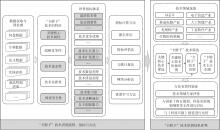
图3
“卡脖子”技术识别研究框架"

| [1] | 宋娟, 谭劲松, 王可欣, 等. 创新生态系统视角下核心企业突破关键核心技术“卡脖子”——以中国高速列车牵引系统为例[J]. 南开管理评论, 2023, 26(5): 4-17. |
| Song J, Tan J S, Wang K X, et al. Removing bottlenecks in critical core technologies from the perspective of innovation ecosystem: A case study of China’s high-speed train traction system[J]. Nankai Business Review, 2023, 26(5): 4-17. | |
| [2] | 李昱璇, 方卫华. “卡脖子”技术概念辨析——内生性矛盾、国家主体与外部限制的共同建构[J]. 科学学研究, 2024, 42(1): 31-37+135. |
| Li Y X, Fang W H. Conceptual discrimination of “Neck-jamming” technology—The co-construction of endogenous contradiction, state-based and external restriction[J]. Studies in Science of Science, 2024, 42(1): 31-37+135. | |
| [3] | 韩震, 赵宇恒, 赵莉, 等. “卡脖子”技术形成路径与破解策略选择——基于芯片产业的案例研究[J]. 科技进步与对策, 2023, 40(24): 82-91. |
| Han Z, Zhao Y H, Zhao L, et al. The formation path of technology bottlenecks and the strategy selection: A case study of the chip industry[J]. Science & Technology Progress and Policy, 2023, 40(24): 82-91. | |
| [4] | 张治河, 郭星, 易兰. 经济高质量发展的创新驱动机制[J]. 西安交通大学学报(社会科学版), 2019, 39(6): 39-46. |
| Zhang Z H, Guo X, Yi L. Innovation-driven mechanism of high-quality economic development[J]. Journal of Xi’an Jiaotong University (Social Sciences), 2019, 39(6): 39-46. | |
| [5] | 张治河, 苗欣苑. “卡脖子”关键核心技术的甄选机制研究[J]. 陕西师范大学学报(哲学社会科学版), 2020, 49(6): 5-15. |
| Zhang Z H, Miao X Y. Research on the selection mechanism of the key and core technologics[J]. Journal of Shaanxi Normal University (Philosophy and Social Sciences Edition), 2020, 49(6): 5-15. | |
| [6] | 汤志伟, 李昱璇, 张龙鹏. 中美贸易摩擦背景下“卡脖子”技术识别方法与突破路径——以电子信息产业为例[J]. 科技进步与对策, 2021, 38(1): 1-9. |
| Tang Z W, Li Y X, Zhang L P. Identification method and breakthrough path of “neck-jamming” technologies under the background of Sino-US trade friction: A case of the electronic information industry[J]. Science & Technology Progress and Policy, 2021, 38(1): 1-9. | |
| [7] | 陈劲, 阳镇, 朱子钦. “十四五”时期“卡脖子”技术的破解: 识别框架、战略转向与突破路径[J]. 改革, 2020(12): 5-15. |
| Chen J, Yang Z, Zhu Z Q. The solution of “neck sticking” technology during the 14th Five-Year Plan period: Identification framework, strategic change and breakthrough path[J]. Reform, 2020(12): 5-15. | |
| [8] | 李红建. 创新:瞄准“卡脖子”技术[N]. 学习时报, 2020-03-04 (4). |
| Li H. Innovation: Targeting the “bottleneck” technology[N]. Study Times, 2020-03-04 (4). | |
| [9] | 徐霞, 吴福象, 王兵. 基于国际专利分类的关键核心技术识别研究[J]. 情报杂志, 2022, 41(10): 74-81. |
| Xu X, Wu F X, Wang B. Research on identification of key core technology based on international patent classification[J]. Journal of Intelligence, 2022, 41(10): 74-81. | |
| [10] | 韩凤芹, 史卫, 陈亚平. 以大战略观统领关键核心技术攻关[J]. 宏观经济研究, 2021(3): 111-119+159. |
| Han F Q, Shi W, Chen Y P. Leading key core technologies tackling key problems with a grand strategic view[J]. Macroeconomics, 2021(3): 111-119+159. | |
| [11] | 余江, 陈凤, 张越, 等. 铸造强国重器: 关键核心技术突破的规律探索与体系构建[J]. 中国科学院院刊, 2019, 34(3): 339-343. |
| Yu J, Chen F, Zhang Y, et al. Forging pillars of scientific and technological power: Mechanism exploration and system construction for breakthrough of core and key technologies[J]. Bulletin of the Chinese Academy of Sciences, 2019, 34(3): 339-343. | |
| [12] | 宋立丰, 区钰贤, 王静, 等. 基于重大科技工程的“卡脖子”技术突破机制研究[J]. 科学学研究, 2022, 40(11): 1991-2000. |
| Song L F, Ou Y X, Wang J, et al. Research on the breakthrough mechanism of “stuck necking” technology based on major scientific and technological projects[J]. Studies in Science of Science, 2022, 40(11): 1991-2000. | |
| [13] | 赵建, 梁爽. 关键核心技术识别方法研究进展[J]. 情报杂志, 2024, 43(4): 68-77. |
| Zhao J, Liang S. Research progress on identification methods of key core technologies[J]. Journal of Intelligence, 2024, 43(4): 68-77. | |
| [14] | Christensen C M. The Innovator’s dilemma: When new technologies cause great firms to fail[M]. Boston, Mass. Harvard Business School Press, 1997. |
| [15] | Christensen C M, McDonald R, Altman E J, et al. Disruptive innovation: An intellectual history and directions for future research[J]. Journal of Management Studies, 2018, 55(7): 1043-1078. |
| [16] | 苏成, 赵志耘, 赵筱媛, 等. 颠覆性技术新阐释: 概念、内涵及特征[J]. 情报学报, 2021, 40(12): 1253-1262. |
| Su C, Zhao Z Y, Zhao X Y, et al. New explanation on disruptive technology: Concept, connotation and features[J]. Journal of the China Society for Scientific and Technical Information, 2021, 40(12): 1253-1262. | |
| [17] | 肖广岭. 以颠覆性技术和“卡脖子”技术驱动创新发展[J]. 人民论坛·学术前沿, 2019(13): 55-61. |
| Xiao G L. Driving innovation-based development by disruptive and “neck-jamming” technologies[J]. Frontiers, 2019(13): 55-61. | |
| [18] | 刘玉梅, 温馨, 孟翔飞. 基于技术轨道跃迁的突破性技术预测方法及应用研究[J]. 情报杂志, 2021, 40(11): 39-45+15. |
| Liu Y M, Wen X, Meng X F. Research on breakthrough innovation prediction method and application based on technological trajectory transition[J]. Journal of Intelligence, 2021, 40(11): 39-45+15. | |
| [19] | Christensen C M, Rosenbloom R S. Explaining the attacker’s advantage: Technological paradigms, organizational dynamics, and the value network[J]. Research Policy, 1995, 24(2): 233-257. |
| [20] | 张金柱, 王秋月, 仇蒙蒙. 颠覆性技术识别研究进展综述[J]. 数据分析与知识发现, 2022, 6(7): 12-31. |
| Zhang J Z, Wang Q Y, Qiu M M. Review of studies identifying disruptive technologies[J]. Data Analysis and Knowledge Discovery, 2022, 6(7): 12-31. | |
| [21] | 王志玮, 陈劲. 企业破坏性创新概念建构、辨析与测度研究[J]. 科学学与科学技术管理, 2012, 33(12): 29-36. |
| Wang Z W, Chen J. Research on concept construction and measurement of disruptive innovation[J]. Science of Science and Management of S & T, 2012, 33(12): 29-36. | |
| [22] | 陈劲, 阳镇. 融通创新视角下关键核心技术的突破: 理论框架与实现路径[J]. 社会科学, 2021(5): 58-69. |
| Chen J, Yang Z. Breakthrough of key core technologies from the perspective of financial innovation: Theoretical framework and realization path[J]. Journal of Social Sciences, 2021(5): 58-69. | |
| [23] | 肖海林, 董慈慈. 突破性技术创新研究: 现状与展望——基于SSCI和CSSCI期刊的文献计量分析[J]. 经济管理, 2020, 42(2): 192-208. |
| Xiao H L, Dong C C. Current situation and prospects of breakthrough technology innovation: Bibliometric analysis based on SSCI and CSSCI journals[J]. Business and Management Journal, 2020, 42(2): 192-208. | |
| [24] | 周海球, 黄晓林, 李维思, 等. 基于MD-AHP的关键核心技术攻关任务甄选方法研究[J]. 情报杂志, 2023, 42(9): 149-154. |
| Zhou H Q, Huang X L, Li W S, et al. Research on the selection method of key and core technology task based on MD-AHP[J]. Journal of Intelligence, 2023, 42(9): 149-154. | |
| [25] | 肖广岭. 突破“卡脖子”技术与锻造“杀手锏”技术需要战略眼光和系统思维[J]. 国家治理, 2021(3): 14-17. |
| Xiao G L. Breaking through the “stuck neck” technology and forging the “killer” technology requires strategic vision and systematic thinking[J]. Governance, 2021(3): 14-17. | |
| [26] | 梁帅, 高继平. 产业技术结构与“卡脖子”技术特征——以高端数控机床为例[J]. 科技导报, 2021, 39(24): 75-83. |
| Liang S, Gao J P. Industrial technology structure and the bottleneck technique: With CNC machine tools as an example[J]. Science & Technology Review, 2021, 39(24): 75-83. | |
| [27] | 杨斌. 先进电子材料领域“卡脖子”技术的研判与对策分析[J]. 科技管理研究, 2021, 41(23): 115-123. |
| Yang B. Research, judgement and countermeasure analysis of “containment” technology in the field of advanced electronic materials[J]. Science and Technology Management Research, 2021, 41(23): 115-123. | |
| [28] | 曹琨, 吴新年, 白光祖, 等. 基于专利文献的“卡脖子”技术识别研究——以数控机床领域为例[J]. 图书情报工作, 2023, 67(19): 80-91. |
| Cao K, Wu X N, Bai G Z, et al. Identification of “neck stuck” technologies based on patent literature: A case study in the field of CNC machine tools[J]. Library and Information Service, 2023, 67(19): 80-91. | |
| [29] | 付振康, 朱庆华, 柳炳祥, 等. 专利视域下“卡脖子”关键技术识别及突破策略——以OLED技术领域为例[J]. 情报杂志, 2024, 43(5): 106-115. |
| Fu Z K, Zhu Q H, Liu B X, et al. Identification and breakthrough strategy of stranglehold key technologies from a patent perspective: A case study in the OLED technology field[J]. Journal of Intelligence, 2024, 43(5): 106-115. | |
| [30] | 俞荣建, 王雅萍, 赵一智, 等. 破解“卡脖子”技术难题: “情境—策略”非对称匹配视角[J]. 中国科学院院刊, 2023, 38(4): 580-592. |
| Yu R J, Wang Y P, Zhao Y Z, et al. Breakthrough mechanism of “stuck neck” technology: “situation-strategy” asymmetric matching perspective[J]. Bulletin of Chinese Academy of Sciences, 2023, 38(4): 580-592. | |
| [31] | 李昱璇, 汤志伟. “卡脖子”技术问题的综合解决方案——以S省为例[J]. 中国科技论坛, 2022(1): 7-13+21. |
| Li Y X, Tang Z W. Research on comprehensive solution for the problem of “neck-jamming” technologies—Taking province S as an example[J]. Forum on Science and Technology in China, 2022(1): 7-13+21. | |
| [32] | 江瑶, 陈旭, 胡斌. “卡脖子”关键核心技术两阶段漏斗式甄选模型构建及应用研究[J]. 情报杂志, 2023, 42(3): 94-101. |
| Jiang Y, Chen X, Hu B. Research on the construction and application of two-stage funnel selection model for “neck-jamming” key core technologies[J]. Journal of Intelligence, 2023, 42(3): 94-101. | |
| [33] | 江瑶, 陈旭, 张凌恺. 专利视域下“卡脖子”技术三阶段识别研究[J]. 情报杂志, 2023, 42(10): 132-139+55. |
| Jiang Y, Chen X, Zhang L K. Research on the three-stage identification for “neck-jamming” technologies from the perspective of patents[J]. Journal of Intelligence, 2023, 42(10): 132-139+55. | |
| [34] | 郑国雄, 李伟, 刘溉, 等. 基于德尔菲法和层次分析法的“卡脖子”关键技术甄选研究——以生物医药领域为例[J]. 世界科技研究与发展, 2021, 43(3): 331-343. |
| Zheng G X, Li W, Liu G, et al. A research based on careful and thorough selection of “neck-jamming” technologies using Delphi method and AHP: A case study in biomedical field[J]. World Sci-Tech R & D, 2021, 43(3): 331-343. | |
| [35] | 陈旭, 江瑶, 熊焰, 等. “卡脖子”技术甄别模型构建及应用——以工业软件为例[J]. 情报杂志, 2024, 43(4): 106-113+95. |
| Chen X, Jiang Y, Xiong Y, et al. Construction and application of the bottleneck technology identification model: A case of the industrial software industry[J]. Journal of Intelligence, 2024, 43(4): 106-113+95. | |
| [36] | 陈旭, 江瑶, 熊焰, 等. 基于专利维度的关键核心技术“卡脖子”问题识别与分析——以集成电路产业为例[J]. 情报杂志, 2023, 42(8): 83-89+19. |
| Chen X, Jiang Y, Xiong Y, et al. Identification and analysis of key core technology “neck” problem based on patent dimension: A case of the integrated circuit industry[J]. Journal of Intelligence, 2023, 42(8): 83-89+19. | |
| [37] | 张婷, 陈娟, 徐东紫, 等. 生物医药领域“卡脖子”技术的概念内涵辨析及评判原则思考[J]. 中国新药杂志, 2023, 32(16): 1615-1621. |
| Zhang T, Chen J, Xu D Z, et al. Discrimination and analysis of conceptual connotation and the evaluation principles of “neck sticking” technology in the field of biomedicine[J]. Chinese Journal of New Drugs, 2023, 32(16): 1615-1621. | |
| [38] | Zhang Y, Qian Y, Huang Y, et al. An entropy-based indicator system for measuring the potential of patents in technological innovation: Rejecting moderation[J]. Scientometrics, 2017, 111(3): 1925-1946. |
| [39] | 陈旭, 江瑶, 熊焰, 等. 关键核心技术“卡脖子”问题的识别及应用: 以AI芯片为例[J]. 中国科技论坛, 2023(9): 17-27. |
| Chen X, Jiang Y, Xiong Y, et al. Identification and application of “bottleneck”Issues in key core technologies: Taking AI chips as an example[J]. Forum on Science and Technology in China, 2023(9): 17-27. | |
| [40] | 董坤, 白如江, 许海云. 省域视角下产业潜在 “卡脖子” 技术识别与分析研究——以山东省区块链产业为例[J]. 情报理论与实践, 2021, 44(11): 197-203. |
| Dong K, Bai R J, Xu H Y. A method to identify and analyze industrial bottleneck technology(BNT)from the provincial perspective: A case study of block chain industry in Shandong Province[J]. Information Studies (Theory & Application), 2021, 44(11): 197-203. | |
| [41] | 杨武, 陈培, David Gad. 光刻机产业技术扩散与技术动态演化——对“卡脖子”技术的启示[J]. 中国科技论坛, 2022(9): 73-84. |
| Yang W, Chen P, David G. The study of technology diffusion and technology dynamic evolution in lithography industry—Implications for neck-jamming technologies[J]. Forum on Science and Technology in China, 2022(9): 73-84. | |
| [42] | 范书琴, 刘国新. 专利质量视角下国外技术锁定的模糊识别研究——以锂电池隔膜技术为例[J]. 科学学与科学技术管理, 2022, 43(12): 132-152. |
| Fan S Q, Liu G X. Fuzzy identification of foreign technology lock-in from the perspective of patent quality: A case study of lithium battery separators technology[J]. Science of Science and Management of S & T, 2022, 43(12): 132-152. | |
| [43] | 赵雪峰, 吴德林, 吴伟伟, 等. 基于深度学习与多分类轮询机制的高质量“卡脖子”技术专利识别模型——以专利申请文件为研究主体[J]. 数据分析与知识发现, 2023, 7(8): 30-45. |
| Zhao X F, Wu D L, Wu W W, et al. Identifying high-quality technology patents based on deep learning and multi-category polling mechanism—Case study of patent applications[J]. Data Analysis and Knowledge Discovery, 2023, 7(8): 30-45. | |
| [44] | Chung P, Young S. Early detection of valuable patents using a deep learning model: Case of semiconductor industry[J]. Technological Forecasting and Social Change, 2020, 158: 120146. |
| [45] | Noh H, Lee S. What constitutes a promising technology in the era of open innovation? An investigation of patent potential from multiple perspectives[J]. Technological Forecasting and Social Change, 2020, 157: 120046. |
| [46] | Verhoeven D, Bakker J, Veugelers R. Measuring technological novelty with patent-based indicators[J]. Research Policy, 2016, 45(3): 707-723. |
| [47] | 杨大飞, 杨武, 田雪姣, 等. 基于专利数据的核心技术识别模型构建及实证研究[J]. 情报杂志, 2021, 40(2): 47-54. |
| Yang D F, Yang W, Tian X J, et al. Research on construction and empirical study of core technology identification model based on patent data[J]. Journal of Intelligence, 2021, 40(2): 47-54. | |
| [48] | 郑思佳, 汪雪锋, 刘玉琴, 等. 关键核心技术竞争态势评估研究[J]. 科研管理, 2021, 42(10): 1-10. |
| Zheng S J, Wang X F, Liu Y Q, et al. A research on evaluation of the competitive situation of key core technologies[J]. Science Research Management, 2021, 42(10): 1-10. | |
| [49] | Wang F, Huang Z. Analysis of international competitive situation of key core technology in strategic emerging industries: New generation of information technology industry as an example[J]. PLoS One, 2023, 18(6): e0287034. |
| [50] | Noh H, Song Y K, Lee S. Identifying emerging core technologies for the future: Case study of patents published by leading telecommunication organizations[J]. Telecommunications Policy, 2016, 40(10-11): 956-970. |
| [51] | Lee S, Yoon B, Park Y. An approach to discovering new technology opportunities: Keyword-based patent map approach[J]. Technovation, 2009, 29(6-7): 481-497. |
| [52] | 李瑞茜, 陈向东. 基于专利共类的关键技术识别及技术发展模式研究[J]. 情报学报, 2018, 37(5): 495-502. |
| Li R X, Chen X D. Patent co-classification based on key technology identification and research on technology development mode[J]. Journal of the China Society for Scientific and Technical Information, 2018, 37(5): 495-502. | |
| [53] | Arthur W B. Competing technologies, increasing returns, and lock-In by historical events[J]. The Economic Journal, 1989, 99(394): 116-131. |
| [54] | Kumar S, Russell R R. Technological change, technological catch-up, and capital deepening: Relative contributions to growth and convergence[J]. American Economic Review, 2002, 92(3): 527-548. |
| [55] | 范书琴, 刘国新, 张鹏飞. 制造业升级背景下国外技术轨道锁定的识别及破解研究[J]. 科研管理, 2023, 44(9): 131-140. |
| Fan S Q, Liu G X, Zhang P F. Identification and solution of foreign technology trajectory lock-in in the process of manufacturing upgrading[J]. Science Research Management, 2023, 44(9): 131-140. | |
| [56] | 周磊, 吕璐成, 穆克亮. 中美科技博弈背景下的卡脖子技术识别方法研究[J]. 情报杂志, 2023, 42(8): 69-76. |
| Zhou L, Lyu L C, Mu K L. Identifying bottleneck technology and predicting its fusion trend under the background of Sino-US S & T game[J]. Journal of Intelligence, 2023, 42(8): 69-76. | |
| [57] | 高旭, 白如江, 王效岳. 面向“卡脖子”技术场景的科技前沿发现与态势演化研究——以集成电路技术为例[J]. 图书情报工作, 2023, 67(4): 40-54. |
| Gao X, Bai R J, Wang X Y. Frontier discovery of science and technology and research on situation evolution for “neck stuck” technical scenario: Taking integrated circuit technology as an example[J]. Library and Information Service, 2023, 67(4): 40-54. |
| [1] | 令狐大智, 彭源源, 武新丽, 朱帮助. 新发展理念视域下省际初始碳配额分配研究[J]. 中国管理科学, 2026, 34(2): 348-356. |
| [2] | 牛苗苗,谭显春,郭建新,朱开伟,程永龙. 碳总量控制政策对中国经济高质量发展的影响[J]. 中国管理科学, 2024, 32(9): 24-34. |
| [3] | 李敏强, 冯海洋. 中国管理实践导向的管理科学与工程理论与方法[J]. 中国管理科学, 2022, 30(5): 15-20. |
| [4] | 于善丽, 迟国泰, 姜欣. 基于指标体系违约鉴别能力最大的小企业债信评级体系及实证[J]. 中国管理科学, 2020, 28(6): 38-50. |
| [5] | 薛小龙, 牛向飞. 基于协调发展度的重大工程团队免疫系统健康评价研究[J]. 中国管理科学, 2018, 26(8): 186-196. |
| [6] | 张敏, 张玲. 基于失效情景的应急设施选址评估指标体系与模型[J]. 中国管理科学, 2016, 24(11): 129-136. |
| [7] | 徐晓燕, 李桃, 陈华. 考虑投入产出效率的中小企业财务困境预测方法[J]. 中国管理科学, 2009, 17(1): 113-118. |
| [8] | 戴俊良, 刘承水. 基于客户价值的客户序位评价研究[J]. 中国管理科学, 2007, 15(3): 123-129. |
| [9] | 党兴华, 王育晓, 刘泽双. 网络环境下企业技术创新绩效评价研究[J]. 中国管理科学, 2004, (3): 130-135. |
| [10] | 张玲玲, 佟仁城. 企业信息系统项目综合评价指标体系探究[J]. 中国管理科学, 2004, (1): 95-100. |
| [11] | 盛从锋, 徐伟宣, 许保光. 中国省域投资环境竞争力评价研究[J]. 中国管理科学, 2003, (3): 76-82. |
| [12] | 徐宪平. 风险投资的风险评价与控制[J]. 中国管理科学, 2001, (4): 75-80. |
| [13] | 张青. 基于“发展”导向的企业绩效评价研究[J]. 中国管理科学, 2001, (2): 58-64. |
| [14] | 王良健. 区域可持续发展指标体系及其评估模型——湖南长沙市的实证研究[J]. 中国管理科学, 2000, (2): 76-81. |
| [15] | 陈建明, 张仲义. 模糊方法在信息系统评价中的应用[J]. 中国管理科学, 2000, (1): 75-80. |
| 阅读次数 | ||||||
|
全文 |
|
|||||
|
摘要 |
|
|||||
|
||
