
主管:中国科学院
主办:中国优选法统筹法与经济数学研究会
中国科学院科技战略咨询研究院
主办:中国优选法统筹法与经济数学研究会
中国科学院科技战略咨询研究院

中国管理科学 ›› 2026, Vol. 34 ›› Issue (8): 76-91.doi: 10.16381/j.cnki.issn1003-207x.2024.2035cstr: 32146.14.j.cnki.issn1003-207x.2024.2035
张发明( ), 何斯琪, 廖思雨, 高云峰
收稿日期:2024-11-07
修回日期:2025-05-29
出版日期:2026-08-25
发布日期:2026-07-14
通讯作者:
张发明
E-mail:zfm1214@163.com
基金资助:
Faming Zhang(), Siqi He, Siyu Liao, Yunfeng Gao
Received:2024-11-07
Revised:2025-05-29
Online:2026-08-25
Published:2026-07-14
Contact:
Faming Zhang
E-mail:zfm1214@163.com
摘要:
针对现有动态激励评价研究较少关注指标间耦合协调性,以及激励方法缺乏差异性与适度性等问题,本文引入强化理论和公平理论,提出一种新的、基于“量-质双激励”(Q2-DI)与耦合协调的动态双驱动评价方法。首先,根据时序数据、增益信息及时间因子确定被评价对象在各时点的发展预测点,并将其连接得到激励参考线,进行状态上的“量”激励;其次,综合考量被评价对象的机遇压力和发展速度,从绝对和相对两个维度进行趋势上的“质”激励;然后,将“量”激励与“质”激励融合构建Q2-DI动态评价模型,得出双激励综合值。在此基础上,引入耦合协调模型获取耦合协调值,采用SCD-Ward法分别依据双激励综合值和耦合协调值进行聚类,利用群组权重和贡献度集结信息,得到Q2-DI与耦合协调双驱动下的综合评价结果。最后,以营商环境为背景进行算例分析,并与其他激励方法对比,以验证本文方法的有效性和合理性。
中图分类号:
张发明,何斯琪,廖思雨, 等. 基于Q2-DI与耦合协调的动态双驱动评价方法[J]. 中国管理科学, 2026, 34(8): 76-91.
Faming Zhang,Siqi He,Siyu Liao, et al. Dynamic Dual-drive Evaluation Method Based on Q2-DI and Coupling Coordination[J]. Chinese Journal of Management Science, 2026, 34(8): 76-91.

表1
时序立体数据"
| 参数 | … | |||
|---|---|---|---|---|
| … | ||||
| … | ||||
| … | ||||
| … | … | … | … | … |
| … |
表2
激励情况及计算公式"
| 激励类型 | 激励情况 | 不同激励情况下的计算公式 | 解释说明图例 |
|---|---|---|---|
当 先主要正激励 后次要负激励 | 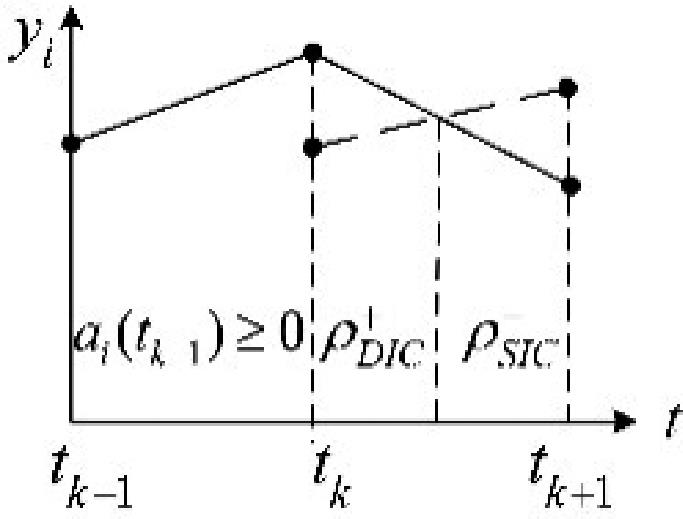 | ||
当 先次要正激励 后主要负激励 | 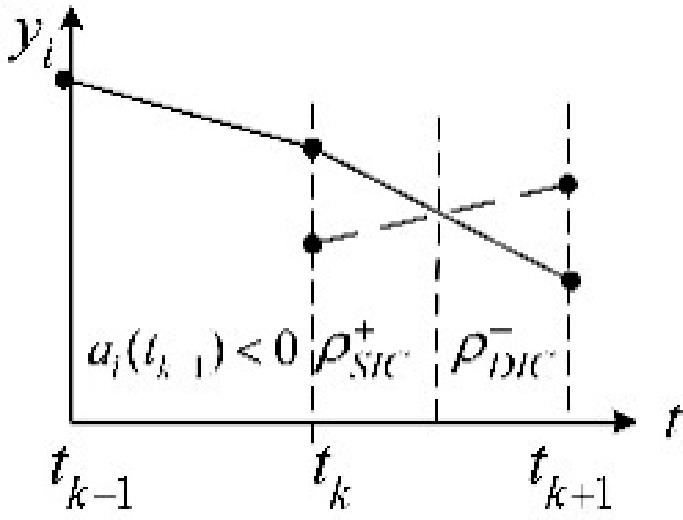 | ||
当 先次要负激励 后主要正激励 | 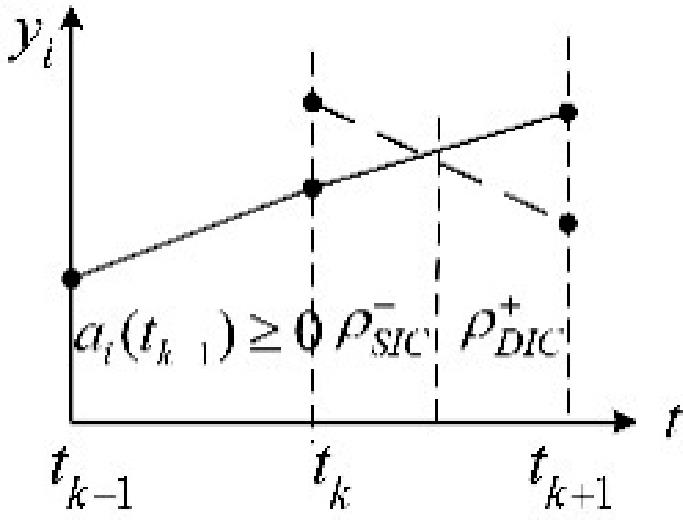 | ||
当 先主要负激励 后次要正激励 | 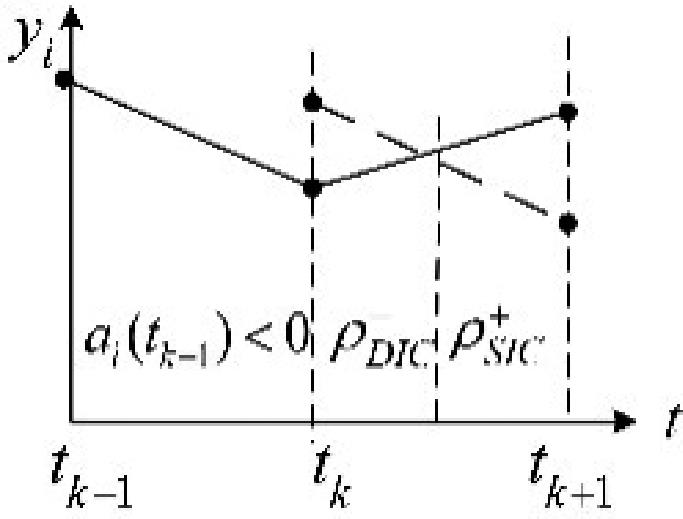 | ||
| 无量激励 | |||
| 全 | 只有正激励 | 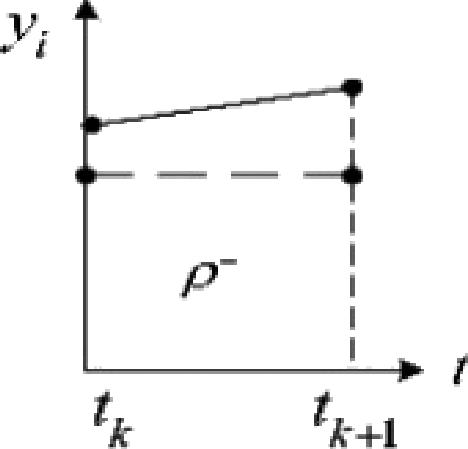 | |
| 全 | 只有负激励 | 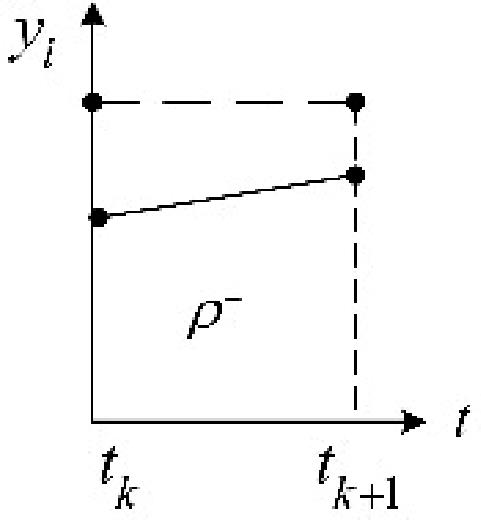 |
表3
SCD-Ward聚类算法"
算法1:Ward聚类并利用SSE指标、CH指数、DB指数确定最佳聚类数 |
|---|
Input:数据集(在本文中是指“量-质”双激励动态综合评价值 |
Output:最佳聚类数;树状聚类图;SSE指标、CH指数、DB指数与聚类个数的折线图 |
Step 1:输入数据集 |
Step 2: 设定聚类数范围range; |
Step 3:使用Ward层次聚类法对数据集聚类(其中距离采用欧氏距离公式); |
Step 4: 计算SSE指标、CH指数、DB指数; |
Step 5:可视化聚类结果 ,绘制树状聚类图; |
Step 6: 绘制SSE指标、CH指数、DB指数三个评估指标随聚类数变化的曲线,并输出最佳聚类数 |
图1
方法流程"
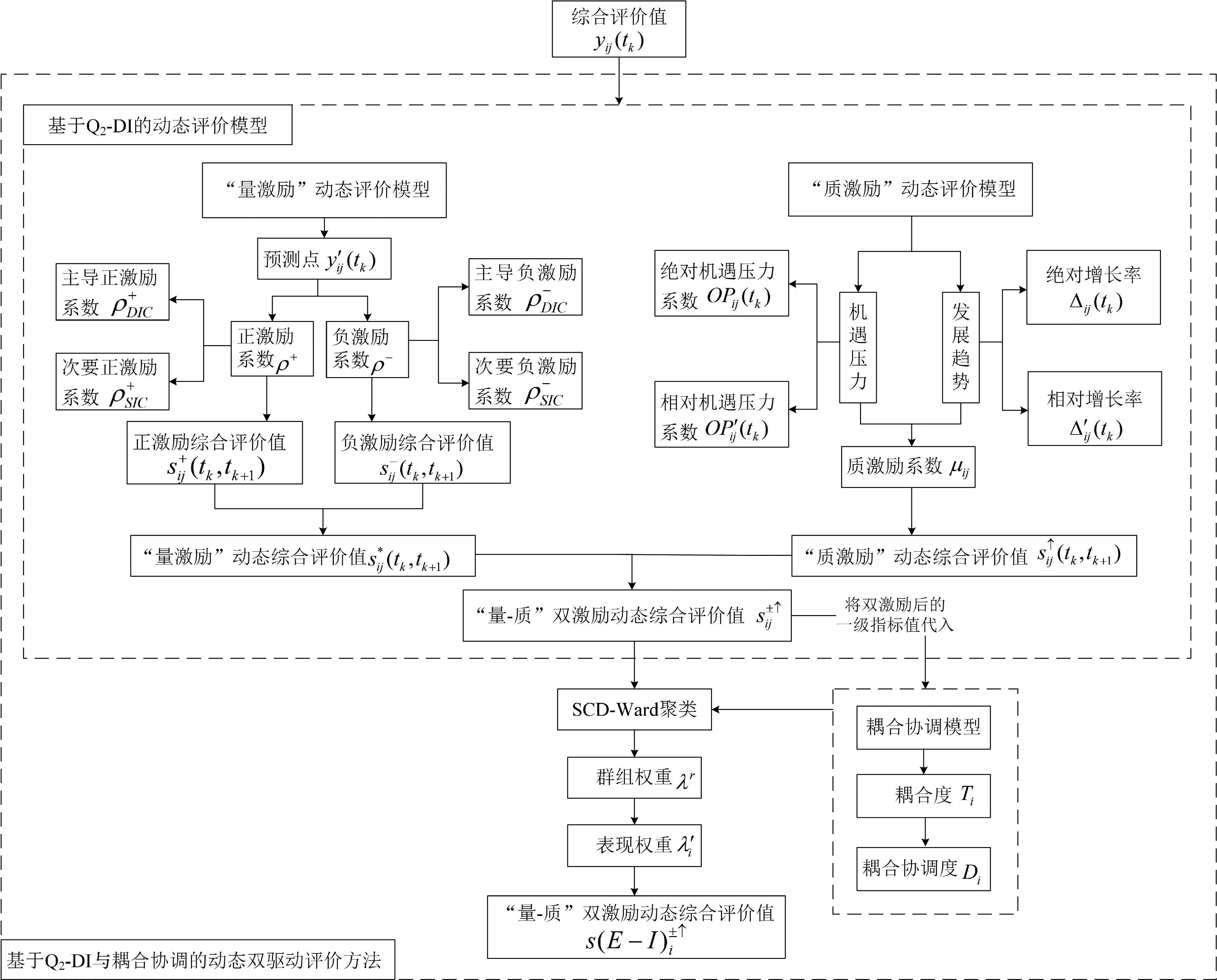
图2
营商环境双激励综合值聚类树状图"
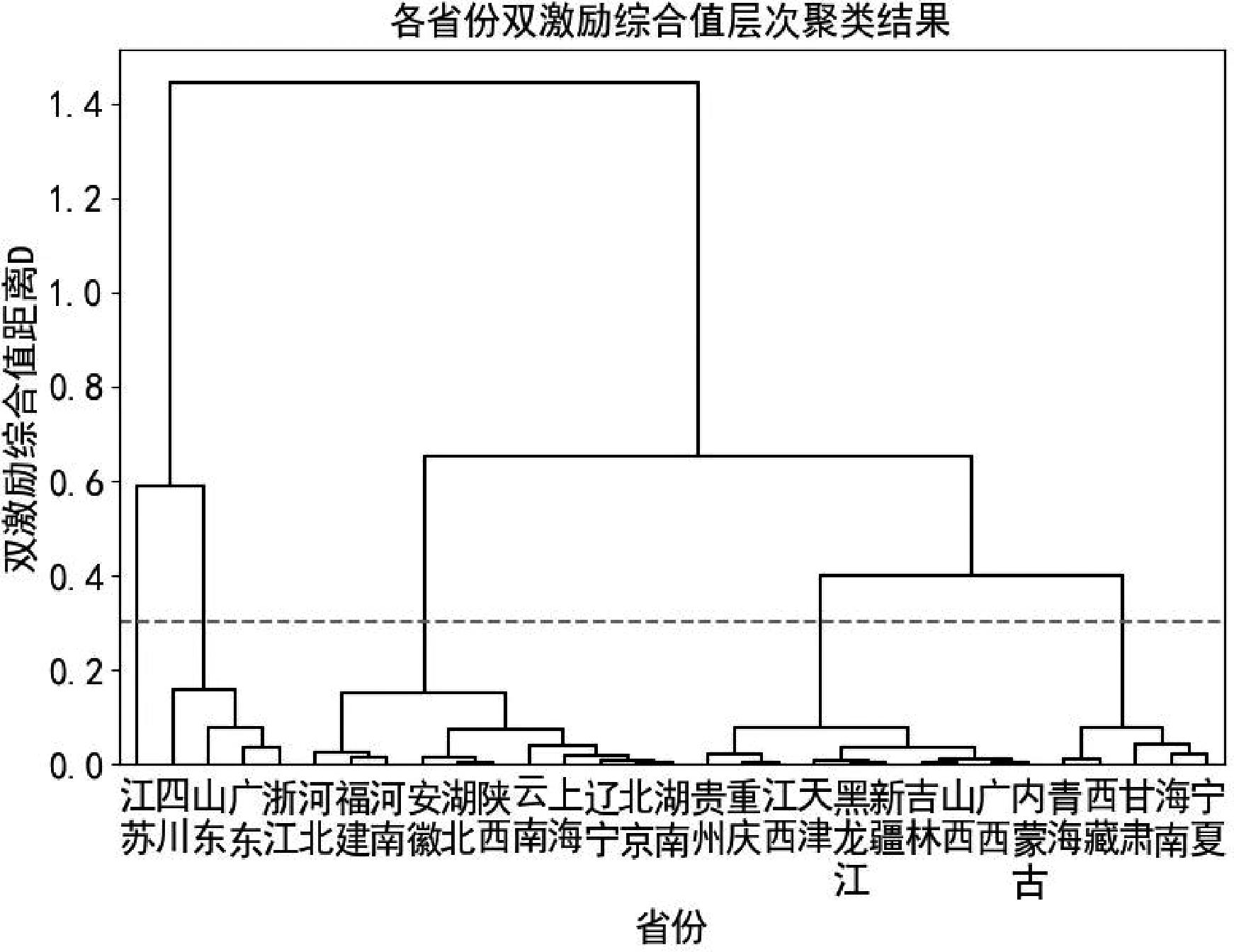
图3
双激励综合值聚类指标分析"
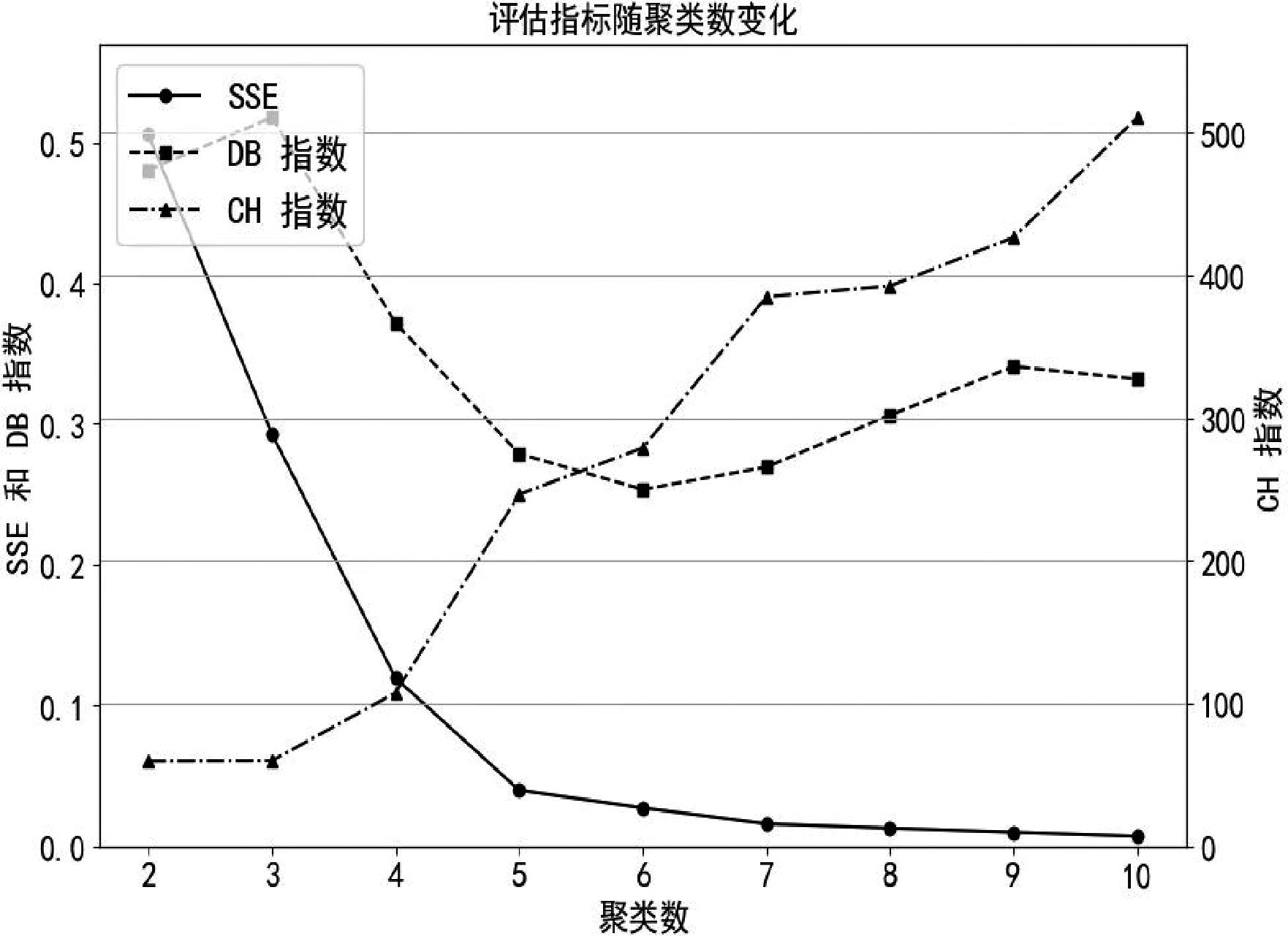
表4
综合评价值等级划分"
| 综合评价值等级 | 被评价对象 |
|---|---|
| 优秀 | 江苏 |
| 良好 | 山东、广东、浙江、四川 |
| 中等 | 河北、河南、福建、安徽、陕西、湖北、上海、辽宁、湖南、北京、云南 |
| 一般 | 贵州、重庆、江西、黑龙江、新疆、天津、山西、吉林、内蒙古、广西 |
| 较差 | 甘肃、海南、宁夏、西藏、青海 |
图4
营商环境耦合协调值聚类树状图"
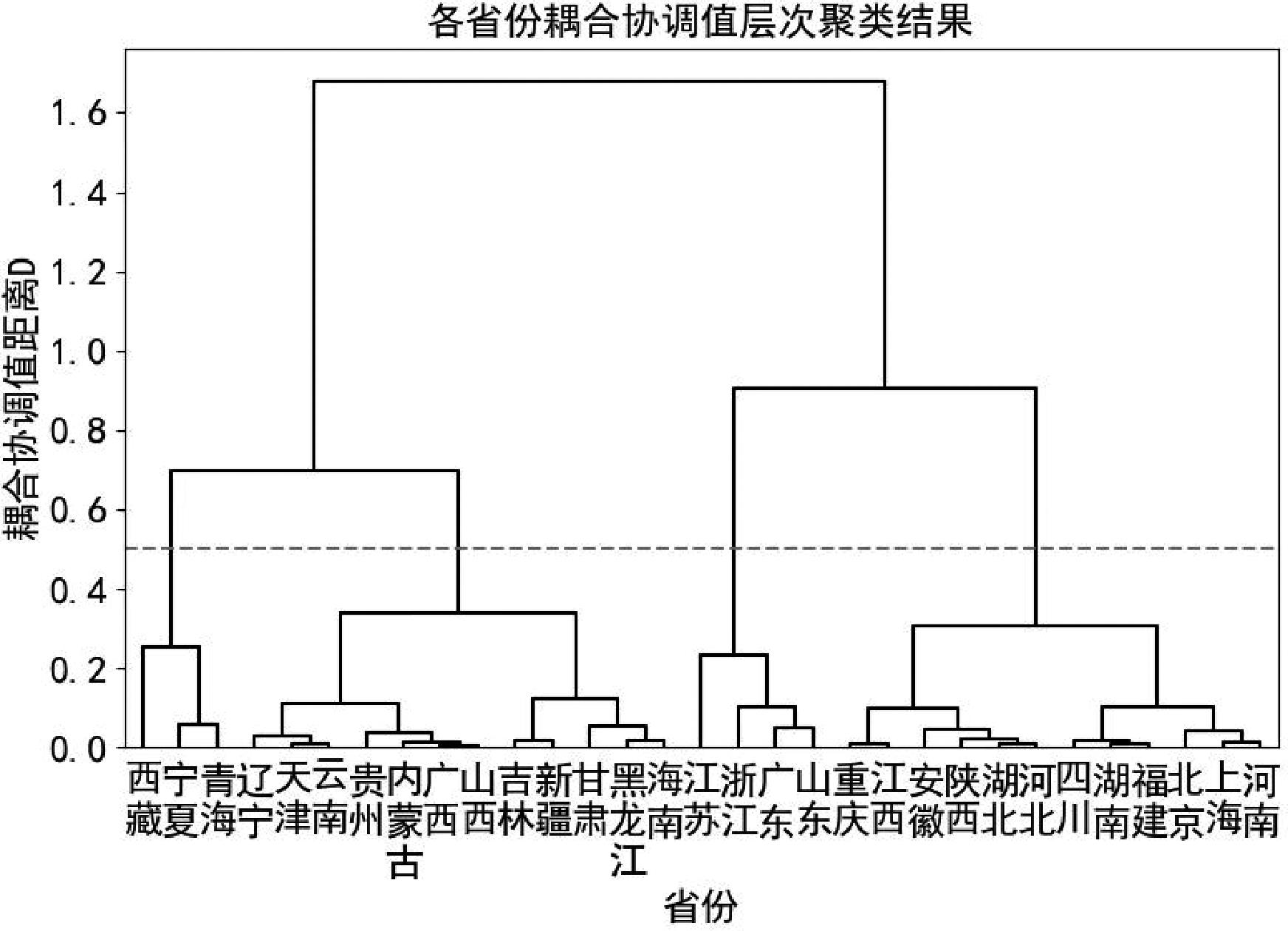
图5
耦合协调值聚类指标分析"
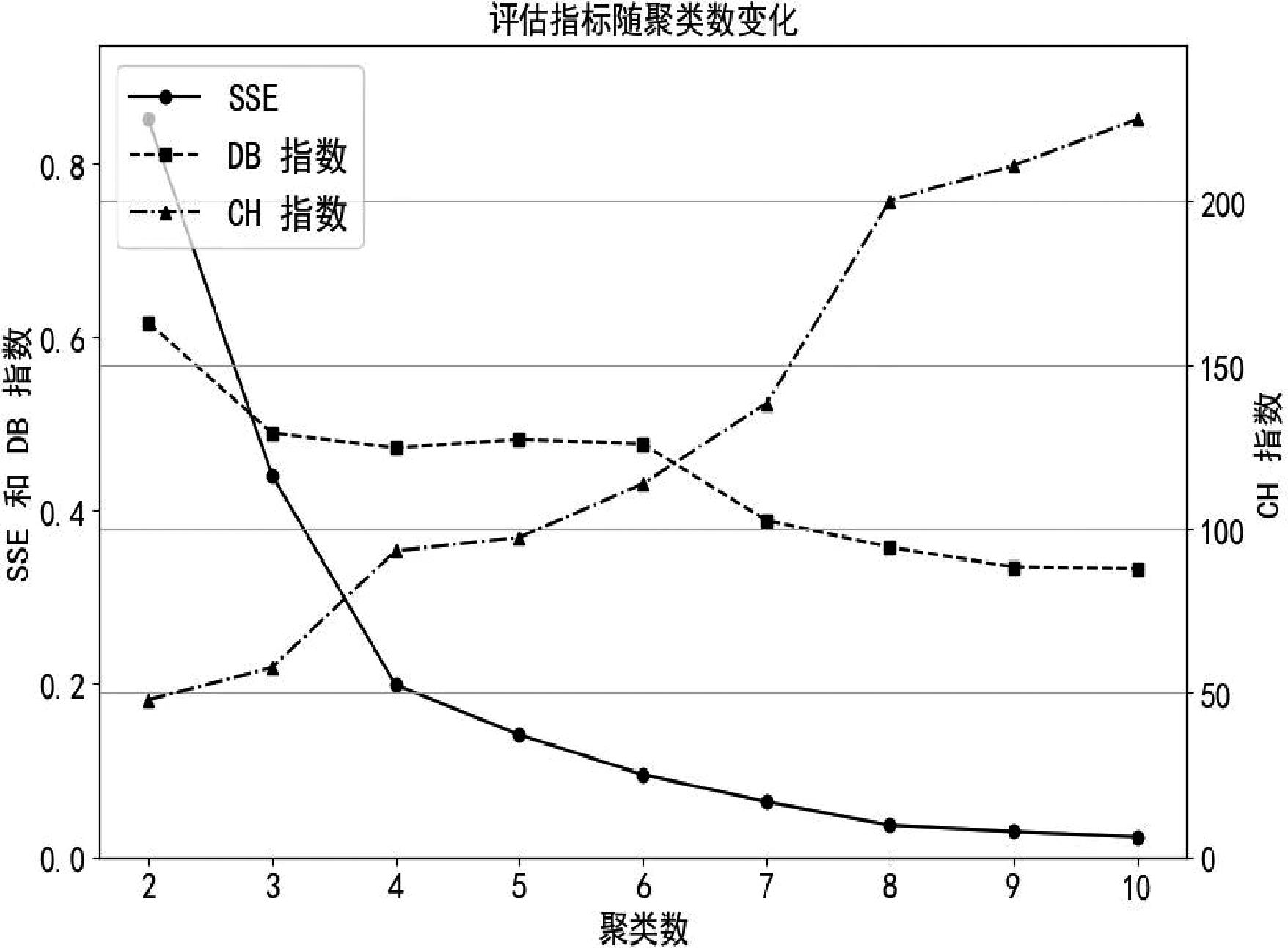
表5
耦合协调值等级划分"
| 耦合协调值等级 | 被评价对象 |
|---|---|
| 极度耦合协调 | 江苏、山东、广东、浙江 |
| 高度耦合协调 | 北京、上海、河南、四川、福建、湖南、安徽、河北、湖北、陕西、重庆、江西 |
| 中度耦合协调 | 云南、天津、辽宁、内蒙古、广西、山西、贵州、新疆、吉林、黑龙江、海南、甘肃 |
| 低度耦合协调 | 宁夏、青海、西藏 |
表6
综合评价值及排序"
| 被评价对象 | 无激励 | 量激励 | 质激励 | 量-质双激励 | 耦合协调 | 双激励-耦合(最终值) | ||||||
|---|---|---|---|---|---|---|---|---|---|---|---|---|
| 评价值 | 排序 | 评价值 | 排序 | 评价值 | 排序 | 评价值 | 排序 | 评价值 | 排序 | 评价值 | 排序 | |
| 广东 | 1.1947 | 1 | 0.7733 | 3(↓) | 0.9560 | 1(-) | 0.7758 | 3(↓) | 1.4715 | 3(↓) | 0.1338 | 3(↓) |
| 江苏 | 1.0053 | 2 | 1.2148 | 1(↑) | 0.7997 | 2(-) | 1.2126 | 1(↑) | 1.6550 | 1(↑) | 0.2108 | 1(↑) |
| 山东 | 0.9371 | 3 | 0.8101 | 2(↑) | 0.7515 | 3(-) | 0.8231 | 2(↑) | 1.5187 | 2(↑) | 0.1395 | 2(↑) |
| 浙江 | 0.7869 | 4 | 0.7298 | 4(-) | 0.6359 | 4(-) | 0.7392 | 4(-) | 1.4052 | 4(-) | 0.1274 | 4(-) |
| 四川 | 0.7670 | 5 | 0.6485 | 5(-) | 0.6124 | 5(-) | 0.6502 | 5(-) | 1.1841 | 8(↓) | 0.0786 | 5(-) |
| 河南 | 0.7353 | 6 | 0.4967 | 7(↓) | 0.5906 | 6(-) | 0.4994 | 7(↓) | 1.2173 | 7(↓) | 0.0620 | 6(-) |
| 河北 | 0.7220 | 7 | 0.5194 | 6(↑) | 0.5724 | 7(-) | 0.5144 | 6(↑) | 1.1012 | 12(↓) | 0.0582 | 10(↓) |
| 北京 | 0.6739 | 8 | 0.4145 | 15(↓) | 0.5351 | 8(-) | 0.4122 | 15(↓) | 1.2579 | 5(↑) | 0.0604 | 7(↑) |
| 湖南 | 0.6391 | 9 | 0.4222 | 14(↓) | 0.5034 | 10(↓) | 0.4155 | 14(↓) | 1.1657 | 10(↓) | 0.0571 | 12(↓) |
| 安徽 | 0.6388 | 10 | 0.4537 | 9(↑) | 0.5156 | 9(↑) | 0.4611 | 9(↑) | 1.1277 | 11(↓) | 0.0573 | 11(↓) |
| 湖北 | 0.6087 | 11 | 0.4355 | 11(-) | 0.4946 | 11(-) | 0.4459 | 11(-) | 1.0923 | 13(↓) | 0.0555 | 13(↓) |
| 上海 | 0.5831 | 12 | 0.4322 | 12(-) | 0.4612 | 12(-) | 0.4291 | 12(-) | 1.2280 | 6(↑) | 0.0599 | 9(↑) |
| 福建 | 0.5637 | 13 | 0.4799 | 8(↑) | 0.4559 | 13(-) | 0.4860 | 8(↑) | 1.1774 | 9(↑) | 0.0601 | 8(↑) |
| 江西 | 0.5340 | 14 | 0.3267 | 19(↓) | 0.4373 | 14(-) | 0.3341 | 19(↓) | 1.0359 | 16(↓) | 0.0455 | 16(↓) |
| 辽宁 | 0.5084 | 15 | 0.4285 | 13(↑) | 0.3985 | 15(-) | 0.4203 | 13(↑) | 0.9481 | 19(↓) | 0.0357 | 17(↓) |
| 陕西 | 0.4921 | 16 | 0.4481 | 10(↑) | 0.3947 | 16(-) | 0.4496 | 10(↑) | 1.0800 | 14(↑) | 0.0551 | 14(↑) |
| 山西 | 0.4888 | 17 | 0.3001 | 23(↓) | 0.3945 | 17(-) | 0.3022 | 23(↓) | 0.9065 | 22(↓) | 0.0270 | 22(↓) |
| 广西 | 0.4674 | 18 | 0.2864 | 26(↓) | 0.3787 | 18(-) | 0.2896 | 26(↓) | 0.9108 | 21(↓) | 0.0268 | 23(↓) |
| 云南 | 0.4289 | 19 | 0.3824 | 16(↑) | 0.3500 | 19(-) | 0.3897 | 16(↑) | 0.9769 | 17(↑) | 0.0353 | 18(↑) |
| 内蒙古 | 0.4093 | 20 | 0.2908 | 24(↓) | 0.3296 | 20(-) | 0.2945 | 25(↓) | 0.9211 | 20(-) | 0.0272 | 21(↓) |
| 重庆 | 0.3901 | 21 | 0.3403 | 18(↑) | 0.3068 | 21(-) | 0.3386 | 18(↑) | 1.0460 | 15(↑) | 0.0460 | 15(↑) |
| 贵州 | 0.3673 | 22 | 0.3502 | 17(↑) | 0.2954 | 22(-) | 0.3538 | 17(↑) | 0.8833 | 23(↓) | 0.0277 | 20(↑) |
| 天津 | 0.3322 | 23 | 0.3104 | 22(↑) | 0.2643 | 23(-) | 0.3113 | 22(↑) | 0.9673 | 18(↑) | 0.0286 | 19(↑) |
| 新疆 | 0.3210 | 24 | 0.3118 | 21(↑) | 0.2576 | 24(-) | 0.3174 | 21(↑) | 0.8448 | 24(-) | 0.0260 | 24(-) |
| 甘肃 | 0.3197 | 25 | 0.2066 | 27(↓) | 0.2553 | 25(-) | 0.2054 | 27(↓) | 0.7290 | 28(↓) | 0.0194 | 28(↓) |
| 黑龙江 | 0.2986 | 26 | 0.3142 | 20(↑) | 0.2381 | 26(-) | 0.3195 | 20(↑) | 0.7824 | 26(-) | 0.0246 | 26(-) |
| 吉林 | 0.2743 | 27 | 0.2897 | 25(↑) | 0.2238 | 27(-) | 0.2992 | 24(↑) | 0.8298 | 25(↑) | 0.0252 | 25(↑) |
| 海南 | 0.2638 | 28 | 0.1781 | 28(-) | 0.2152 | 28(-) | 0.1805 | 28(-) | 0.7650 | 27(↑) | 0.0198 | 27(↑) |
| 宁夏 | 0.2575 | 29 | 0.1586 | 29(-) | 0.2080 | 29(-) | 0.1589 | 29(-) | 0.6546 | 29(-) | 0.0131 | 29(-) |
| 青海 | 0.1668 | 30 | 0.1267 | 31(↓) | 0.1332 | 30(-) | 0.1258 | 31(↓) | 0.5993 | 30(-) | 0.0115 | 30(-) |
| 西藏 | 0.1532 | 31 | 0.1345 | 30(↑) | 0.1251 | 31(-) | 0.1363 | 30(↑) | 0.4093 | 31(-) | 0.0083 | 31(-) |
表7
不同激励模型特征对比"
| 方法对比 | 文献[ | 文献[ | 文献[ | 本文方法 |
|---|---|---|---|---|
| 激励类型 | 状态-趋势激励 | 显性-隐性激励 | 自-互激励 | Q2-DI动态耦合 |
| 激励线(点)设置 | 双激励控制线 | 优劣激励点 | 预测线 | 激励参考线 |
| 是否考虑个体差异化 | × | √ | √ | √ |
| 是否考虑动态适应性 | × | × | √ | √ |
| 是否考虑数据时效性 | × | × | × | √ |
| 是否考虑其他信息特征 | × | × | √ | √ |
| 是否考虑指标耦合协调性 | × | × | × | √ |
表8
不同激励模型下的综合评价值及排名"
| 省份 | 无激励 | 状态-趋势激励 文献[ | 显性-隐性激励 文献[ | 自-互激励 文献[ | 量-质双激励 (本文) | |||||
|---|---|---|---|---|---|---|---|---|---|---|
| 评价值 | 排序 | 评价值 | 排序 | 评价值 | 排序 | 评价值 | 排序 | 评价值 | 排序 | |
| 广东 | 1.1947 | 1 | 1.2706 | 1(-) | 0.0095 | 1(-) | 0.3130 | 8(↓) | 0.7758 | 3(↓) |
| 江苏 | 1.0053 | 2 | 1.0600 | 2(-) | 0.0058 | 4(↓) | 0.8640 | 1(↑) | 1.2126 | 1(↑) |
| 山东 | 0.9371 | 3 | 0.9893 | 3(-) | 0.0051 | 7(↓) | 0.5279 | 2(↑) | 0.8231 | 2(↑) |
| 浙江 | 0.7869 | 4 | 0.8502 | 4(-) | 0.0060 | 3(↑) | 0.4991 | 3(↑) | 0.7392 | 4(-) |
| 四川 | 0.7670 | 5 | 0.8186 | 5(-) | 0.0067 | 2(↑) | 0.4536 | 4(↑) | 0.6502 | 5(-) |
| 河南 | 0.7353 | 6 | 0.7835 | 6(-) | 0.0054 | 5(↑) | 0.1925 | 20(↓) | 0.4994 | 7(↓) |
| 河北 | 0.7220 | 7 | 0.7609 | 7(-) | 0.0049 | 9(↓) | 0.3405 | 5(↑) | 0.5144 | 6(↑) |
| 北京 | 0.6739 | 8 | 0.7141 | 8(-) | 0.0051 | 6(↑) | 0.1781 | 21(↓) | 0.4122 | 15(↓) |
| 安徽 | 0.6391 | 9 | 0.6658 | 10(↓) | 0.0047 | 10(↓) | 0.2068 | 19(↓) | 0.4155 | 14(↓) |
| 湖南 | 0.6388 | 10 | 0.6792 | 9(↑) | 0.0043 | 11(↓) | 0.2333 | 14(↓) | 0.4611 | 9(↑) |
| 湖北 | 0.6087 | 11 | 0.6543 | 11(-) | 0.0040 | 13(↓) | 0.2270 | 16(↓) | 0.4459 | 11(-) |
| 上海 | 0.5831 | 12 | 0.5705 | 12(-) | 0.0034 | 18(↓) | 0.3276 | 7(↑) | 0.4291 | 12(-) |
| 福建 | 0.5637 | 13 | 0.5652 | 13(-) | 0.0049 | 8(↑) | 0.3369 | 6(↑) | 0.4860 | 8(↑) |
| 江西 | 0.5340 | 14 | 0.4601 | 14(-) | 0.0039 | 15(↓) | 0.1373 | 23(↓) | 0.3341 | 19(↓) |
| 辽宁 | 0.5084 | 15 | 0.4147 | 15(-) | 0.0036 | 16(↓) | 0.2666 | 10(↑) | 0.4203 | 13(↑) |
| 山西 | 0.4921 | 16 | 0.2778 | 17(↓) | 0.0034 | 17(↓) | 0.2993 | 9(↑) | 0.4496 | 10(↑) |
| 陕西 | 0.4888 | 17 | 0.3073 | 16(↑) | 0.0041 | 12(↑) | 0.1266 | 24(↓) | 0.3022 | 23(↓) |
| 广西 | 0.4674 | 18 | 0.2098 | 18(-) | 0.0040 | 14(↑) | 0.1205 | 25(↓) | 0.2896 | 26(↓) |
| 云南 | 0.4289 | 19 | 0.1150 | 19(-) | 0.0033 | 19(-) | 0.1099 | 26(↓) | 0.3897 | 16(↑) |
| 内蒙古 | 0.4093 | 20 | 0.1071 | 20(-) | 0.0027 | 22(↓) | 0.1475 | 22(↓) | 0.2945 | 25(↓) |
| 贵州 | 0.3901 | 21 | 0.0938 | 22(↓) | 0.0027 | 21(-) | 0.2150 | 18(↑) | 0.3386 | 18(↑) |
| 重庆 | 0.3673 | 22 | 0.0963 | 21(↑) | 0.0026 | 23(↓) | 0.2639 | 11(↑) | 0.3538 | 17(↑) |
| 新疆 | 0.3322 | 23 | 0.0822 | 25(↓) | 0.0023 | 25(↓) | 0.2294 | 15(↑) | 0.3113 | 22(↑) |
| 甘肃 | 0.3210 | 24 | 0.0848 | 23(↑) | 0.0020 | 28(↓) | 0.2630 | 12(↑) | 0.3174 | 21(↑) |
| 天津 | 0.3197 | 25 | 0.0836 | 24(↑) | 0.0028 | 20(↑) | 0.0844 | 29(↓) | 0.2054 | 27(↓) |
| 黑龙江 | 0.2986 | 26 | 0.0799 | 26(-) | 0.0017 | 29(↓) | 0.2434 | 13(↑) | 0.3195 | 20(↑) |
| 吉林 | 0.2743 | 27 | 0.0779 | 27(-) | 0.0021 | 27(-) | 0.2259 | 17(↑) | 0.2992 | 24(↑) |
| 海南 | 0.2638 | 28 | 0.0705 | 28(-) | 0.0021 | 26(↑) | 0.1006 | 27(↑) | 0.1805 | 28(-) |
| 宁夏 | 0.2575 | 29 | 0.0688 | 29(-) | 0.0023 | 24(↑) | 0.0663 | 30(↓) | 0.1589 | 29(-) |
| 青海 | 0.1668 | 30 | 0.0438 | 30(-) | 0.0012 | 31(↓) | 0.0938 | 28(↑) | 0.1258 | 31(↓) |
| 西藏 | 0.1532 | 31 | 0.0412 | 31(-) | 0.0013 | 30(↑) | 0.0377 | 31(-) | 0.1363 | 30(↑) |
| [1] | 宫诚举, 杜明月, 潘霞, 等. 需求导向的双激励临界点型综合评价方法[J].运筹与管理,2023,32(8): 129-136. |
| Gong C J, Du M Y, Pan X, et al. Research on demand-oriented incentive comprehensive evaluation method with double incentive critical points[J]. Operations Research and Management Science, 2023, 32(8): 129-136. | |
| [2] | 吴飞美, 李美娟, 徐林明, 等. 基于理想解和灰关联度的动态评价方法及其应用研究[J]. 中国管理科学, 2019, 27(12): 136-142. |
| Wu F M, Li M J, Xu L M, et al. Dynamic evaluation method based on TOPSIS and gray correlation degree and its application[J]. Chinese Journal of Management Science, 2019, 27(12): 136-142. | |
| [3] | 李美娟, 袁宁, 徐林明. 基于正交投影法的动态评价方法[J]. 中国管理科学, 2020, 28(12): 208-219. |
| Li M J, Yuan N, Xu L M. Dynamic evaluation method based on vertical projection method[J]. Chinese Journal of Management Science, 2020, 28(12): 208-219. | |
| [4] | 牛玉飞, 张发明, 袁胜军. 泛强化激励动态评价模型及应用[J]. 中国管理科学, 2023, 31(6): 241-252. |
| Niu Y F, Zhang F M, Yuan S J. Dynamic evaluation with generic reinforcement incentives and its application[J]. Chinese Journal of Management Science, 2023, 31(6): 241-252. | |
| [5] | 张发明, 牛玉飞. 考虑趋势突破的双重动态激励评价模型及应用[J]. 软科学, 2023, 37(3): 134-144. |
| Zhang F M, Niu Y F. Dual dynamic incentives evaluation model and its application considering the trend breakthrough[J]. Soft Science, 2023, 37(3): 134-144. | |
| [6] | 马赞福, 郭亚军, 张发明, 等. 一种基于增益水平激励的动态综合评价方法[J]. 系统工程学报, 2009, 24(2): 243-247. |
| Ma Z F, Guo Y J, Zhang F M, et al. Method of dynamic comprehensive evaluation based on gain level inspiriting[J]. Journal of Systems Engineering, 2009, 24(2): 243-247. | |
| [7] | Zheng K N, Xu L, Deng B. Based on dynamic evaluation research procedural examination gain incentive method[C]//Proceedings of 2017 29th Chinese Control and Decision Conference (CCDC),Chongqing, China, May 28-30, IEEE, 2017: 2397-2402. |
| [8] | Yi P T, Li W W, Guo Y J, et al. Quantile induced heavy ordered weighted averaging operators and its application in incentive decision making[J]. International Journal of Intelligent Systems, 2018, 33(3): 514-528. |
| [9] | Yi P T, Li W W, Zhang D N. Quantile-induced uncertain heavy ordered weighted averaging operator and the application in incentive evaluation problems[J]. International Journal of Intelligent Systems, 2019, 34(9): 2177-2195. |
| [10] | 易平涛, 郭亚军, 张丹宁. 基于双激励控制线的多阶段信息集结方法[J]. 预测, 2007(3): 39-43. |
| Yi P T, Guo Y J, Zhang D N. A multi-phase information aggregation method based on double inspiriting control lines[J]. Forecasting, 2007(3): 39-43. | |
| [11] | Li Y M, Chen H Z, Cheng S, et al. Evaluation research on the independent controllability of high-end equipment manufacturing industry based on dual incentive control line: An empirical analysis from Jiangsu Province[J]. Kybernetes, 2024, 53(10): 3254-3270. |
| [12] | 易平涛, 张丹宁, 郭亚军. 基于泛激励控制线的多阶段信息集结方法[J]. 运筹与管理, 2010, 19(1): 49-55. |
| Yi P T, Zhang D N, Guo Y J. A multi-phase information aggregation method based on extensive inspiriting control lines[J]. Operations Research and Management Science, 2010, 19(1): 49-55. | |
| [13] | 刁鹏, 侯芳, 于兆吉. 具有追踪控制特征的多阶段双激励评价方法[J]. 系统工程学报, 2021, 36(2): 279-288. |
| Diao P, Hou F, Yu Z J. Multi-stage double incentive evaluation method with tracking control characteristics[J]. Journal of Systems Engineering, 2021, 36(2): 279-288. | |
| [14] | 李玲玉, 郭亚军, 易平涛, 等. 基于改进分层激励控制线的多阶段信息集结方法[J]. 东北大学学报(自然科学版), 2018, 39(1): 148-152. |
| Li L Y, Guo Y J, Yi P T, et al. On multi-phase information aggregation methods based on improved stratified incentive control lines[J]. Journal of Northeastern University (Natural Science), 2018, 39(1): 148-152. | |
| [15] | 曾小春, 李随成, 高琨. 基于突变级数的我国区域技术有效供给发展状况动态评价——模糊奖惩特征的视角[J]. 运筹与管理, 2021, 30(12): 158-164. |
| Zeng X C, Li S C, Gao K. Dynamic evaluation of development of regional technology effective supply based on catastrophe progression: Perspective of fuzzy incentives and punishments[J]. Operations Research and Management Science, 2021, 30(12): 158-164. | |
| [16] | 张发明, 肖文星. 混合信息下的动态双激励评价机制设计及应用[J]. 中国管理科学, 2017, 25(12): 138-146. |
| Zhang F M, Xiao W X. Design of dynamic double incentive evaluation mechanism and its application under mixed information[J]. Chinese Journal of Management Science, 2017, 25(12): 138-146. | |
| [17] | Yu P, Yang Y J, Ma H, et al. Evaluation of high-quality development of manufacturing industry using a novel grey dynamic double incentive decision-making model[J]. Mathematical Problems in Engineering, 2022, 2022: 1181899. |
| [18] | 刘军, 梁媛媛, 易平涛, 等. 一种体现发展趋势的自-互激励型多阶段信息集结方法[J]. 运筹与管理, 2022, 31(11): 121-127. |
| Liu J, Liang Y Y, Yi P T, et al. A multi-phases information aggregation method of self-mutual incentive E mbodying development tendency[J]. Operations Research and Management Science, 2022, 31(11): 121-127. | |
| [19] | 李伟伟, 易平涛, 王露. 基于行为特征分析的情境化评价方法及应用[J]. 中国管理科学, 2024, 32(10): 171-180. |
| Li W W, Yi P T, Wang L. Situation oriented evaluation approaches based on behavior characteristics analysis and the application[J]. Chinese Journal of Management Science, 2024, 32(10): 171-180. | |
| [20] | Xu Z H, Ci F Y. Spatial-temporal characteristics and driving factors of coupling coordination between the digital economy and low-carbon development in the Yellow River Basin[J]. Sustainability, 2023, 15(3): 2731. |
| [21] | Hou C M, Chen H, Long R Y. Coupling and coordination of China’s economy, ecological environment and health from a green production perspective[J]. International Journal of Environmental Science and Technology, 2022, 19(5): 4087-4106. |
| [22] | Zhang Y, Zhang H Y, Hao F. Spatiotemporal evolution of investment-carbon emission coupling coordination in China’s electricity market[J]. Frontiers in Energy Research, 2023, 10: 946451. |
| [23] | Gao C, Cao M S, Wen Y, et al. Coupling and interaction between science and technology finance and green development: Based on coupling coordination degree model and panel vector autoregression model[J]. Frontiers in Environmental Science, 2023, 11: 1090998. |
| [24] | Adams J S. Inequity in social exchange[J]Advances in Experimental Social Psychology. Advances in Experimental Social Psychology, 1965,2: 267-299. |
| [25] | Skinner B F. Contingencies of reinforcement: A theoretical analysis[M]. New York: Appleton-Century-Crofts, 1969. |
| [26] | 张发明. 基于双重激励模型的动态综合评价方法及应用[J]. 系统工程学报, 2013, 28(2): 248-255. |
| Zhang F M. Dynamic comprehensive evaluation method based on double incentives model and its application[J]. Journal of Systems Engineering, 2013, 28(2): 248-255. | |
| [27] | 黄仁全, 董娟. 陕西省经济发展、科技创新与生态环境的耦合协调发展研究[J]. 运筹与管理, 2022, 31(10): 161-168. |
| Huang R Q, Dong J. Research on coupling coordination development of economic development, technological innovation and ecological environment in Shaanxi Province[J]. Operations Research and Management Science, 2022, 31(10): 161-168. | |
| [28] | Wang Q R, Mao Z X, Xian L H, et al. A study on the coupling coordination between tourism and the low-carbon city[J]. Asia Pacific Journal of Tourism Research, 2019, 24(6): 550-562. |
| [29] | Govender P, Sivakumar V. Application of k-means and hierarchical clustering techniques for analysis of air pollution: A review (1980–2019)[J]. Atmospheric Pollution Research, 2020, 11(1): 40-56. |
| [30] | Ward J H Jr. Hierarchical grouping to optimize an objective function[J]. Journal of the American Statistical Association, 1963, 58(301): 236-244. |
| [31] | Harmati I Á, Fullér R, Felde I. On stability of maximal entropy OWA operator weights[J]. Fuzzy Sets and Systems, 2022, 448: 145-156. |
| [32] | 牛志伟, 许晨曦, 武瑛. 营商环境优化、人力资本效应与企业劳动生产率[J]. 管理世界, 2023, 39(2): 83-100. |
| Niu Z W, Xu C X, Wu Y. Business environment optimization, human capital effect and firm labor productivity[J]. Journal of Management World, 2023, 39(2): 83-100. | |
| [33] | 涂正革, 程烺, 张沐. 中国营商环境地区差异及时空演变特征研究[J]. 数量经济技术经济研究, 2022, 39(7): 3-25. |
| Tu Z G, Cheng L, Zhang M. Study on the regional differences and characteristic of temporal-spatial evolution of Chinese business environment[J]. The Journal of Quantitative Technical Economics, 2022, 39(7): 3-25. |
| [1] | 曾友春, 方志耕, 曹颖赛. 基于改进可能度函数的战略投送力量灰色聚类评估研究[J]. 中国管理科学, 2026, 34(5): 134-143. |
| [2] | 卢福强, 蒋润雪, 毕华玲, 高志远. 动态订单下无人机辅助骑手外卖配送路径优化研究[J]. 中国管理科学, 2026, 34(2): 79-88. |
| [3] | 王锋, 张令荣, 鲁渤. 考虑碳排放的冷链物流多温共配时变路径研究[J]. 中国管理科学, 2025, 33(5): 290-301. |
| [4] | 沈丽, 张好圆. 中国绿色金融与经济高质量发展耦合协调的时空格局演化及收敛性研究[J]. 中国管理科学, 2025, 33(2): 50-60. |
| [5] | 聂洪光, 江彩瑞, 莫建雷. 分类施策、梯次有序推进我国地区“双碳”战略:基于碳排放空间差异的结构分解及聚类研究[J]. 中国管理科学, 2025, 33(11): 310-320. |
| [6] | 杨青,毕樱馨,常明星,姚韬. 考虑重叠并行性的项目间知识转移对项目集聚类的影响研究[J]. 中国管理科学, 2024, 32(4): 261-270. |
| [7] | 周骐,李仲飞,邓柏峻. 行业配置、聚类程度与基金业绩[J]. 中国管理科学, 2024, 32(2): 152-165. |
| [8] | 刘顺, 黄晓宇, 鲜征征, 左文明. 基于超图嵌入表示的商品分仓模型[J]. 中国管理科学, 2024, 32(11): 270-278. |
| [9] | 朱卫东,田雨绯,张福伟,胡雪,戴潇雅. 企业生命周期视角下的政府补助与中小企业价值创造关系研究[J]. 中国管理科学, 2023, 31(8): 80-89. |
| [10] | 牛玉飞, 张发明, 袁胜军. 泛强化激励动态评价模型及应用[J]. 中国管理科学, 2023, 31(6): 241-252. |
| [11] | 罗健, 唐加福, 于清雅, 吴志樵. O2O外卖商圈划分及顾客需求分布规律发现[J]. 中国管理科学, 2023, 31(3): 58-68. |
| [12] | 葛显龙, 温鹏哲, 薛桂琴. 基于需求预测的两级动态配送路径优化研究[J]. 中国管理科学, 2022, 30(8): 210-220. |
| [13] | 孙月, 邱若臻. 交叉销售下基于支持向量聚类的数据驱动多产品库存鲁棒优化模型[J]. 中国管理科学, 2022, 30(2): 156-168. |
| [14] | 陈希, 张怡斐, 孙亚亚, 梁海明, 张文博. 面向突发事件的应急献血者聚类与分配方法研究[J]. 中国管理科学, 2022, 30(12): 77-85. |
| [15] | 牛奔, 郭晨, 唐恒. 基于多目标多元学习细菌觅食优化算法的混合数据聚类[J]. 中国管理科学, 2022, 30(12): 131-140. |
| 阅读次数 | ||||||
|
全文 |
|
|||||
|
摘要 |
|
|||||
|
||
